Category: Strength Training
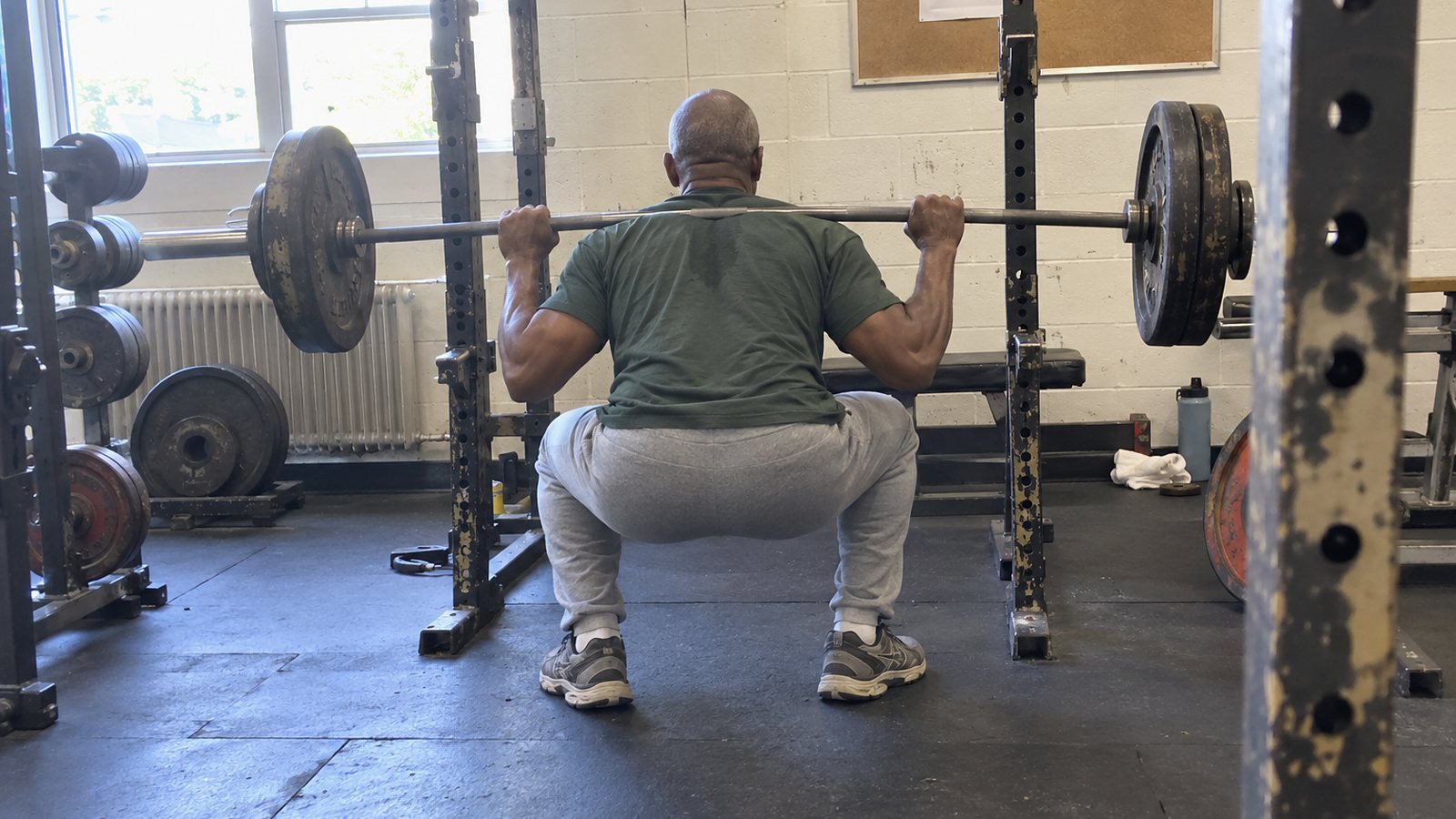
Hip Shift in the Squat: Why You Shift to One Side and What to Do About It
Shifting to one side when you squat? See what a hip shift looks like, common reasons it happens, and how to test stance and depth before chasing a fix.
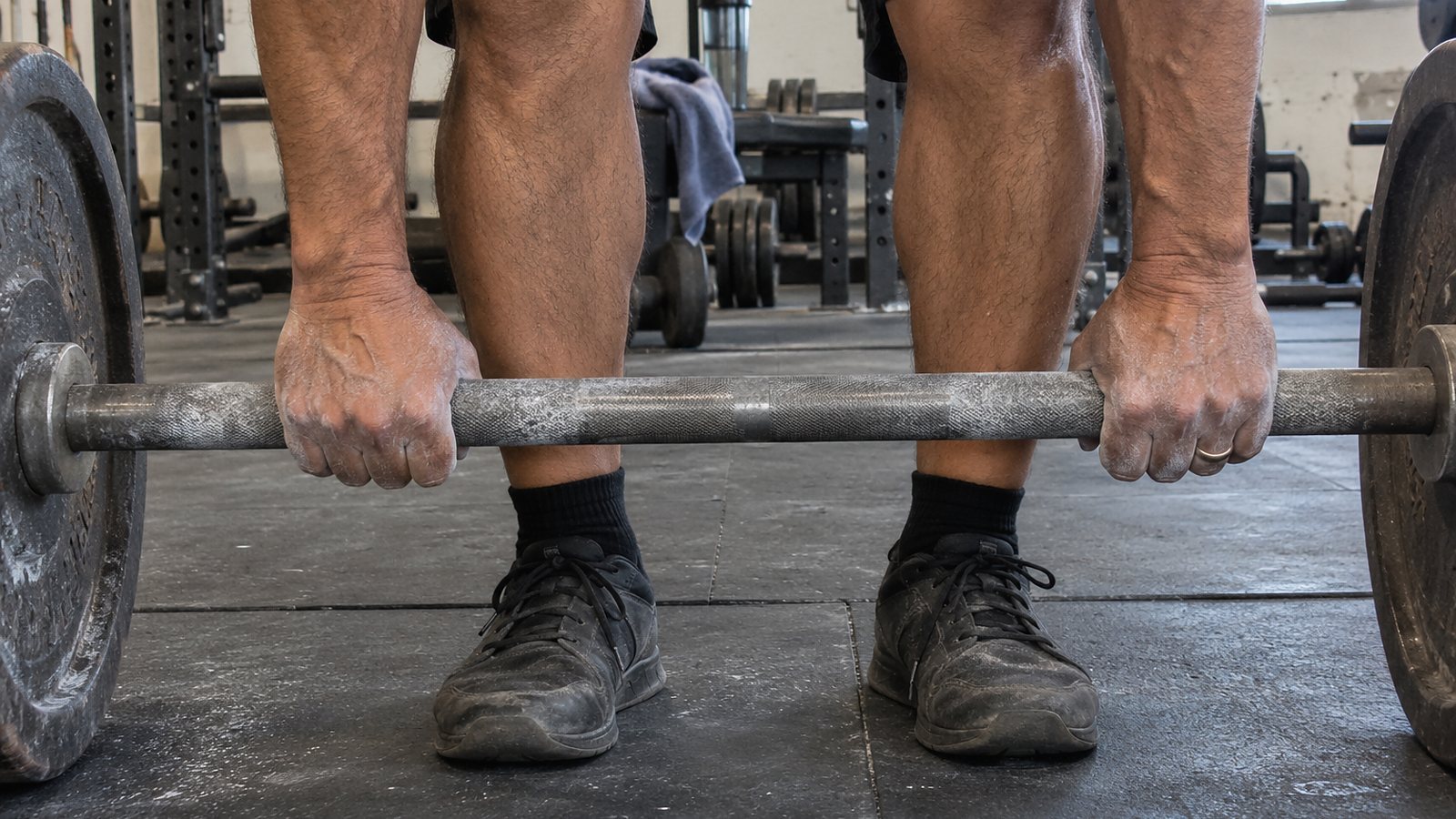
Deadlift Grip: Which Grip to Use and How to Stop the Bar Slipping
Double overhand, mixed or hook grip? See how each deadlift grip works, which to use as the weight climbs, and how to build grip strength.
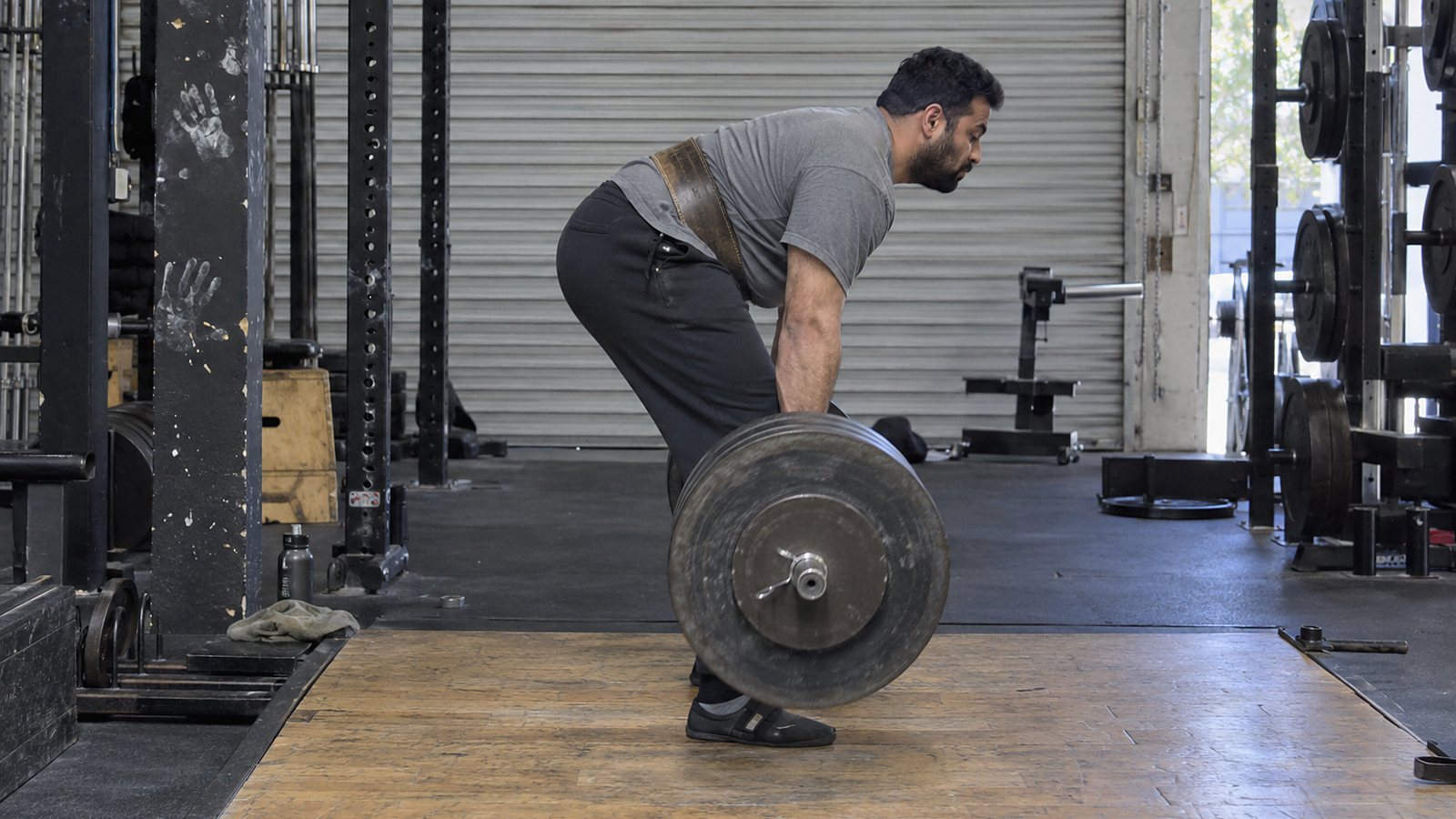
Back Rounding in the Deadlift: Why It Happens and How to Fix It
Does your back round when you deadlift? See when rounding matters, why it happens off the floor, and how to keep your back set with cues and drills.
Butt Wink: What It Looks Like, What Causes It and How to Fix It
Butt wink is your pelvis tucking under at the bottom of a squat. See what causes it, when it matters, and three fixes to try on your next set.
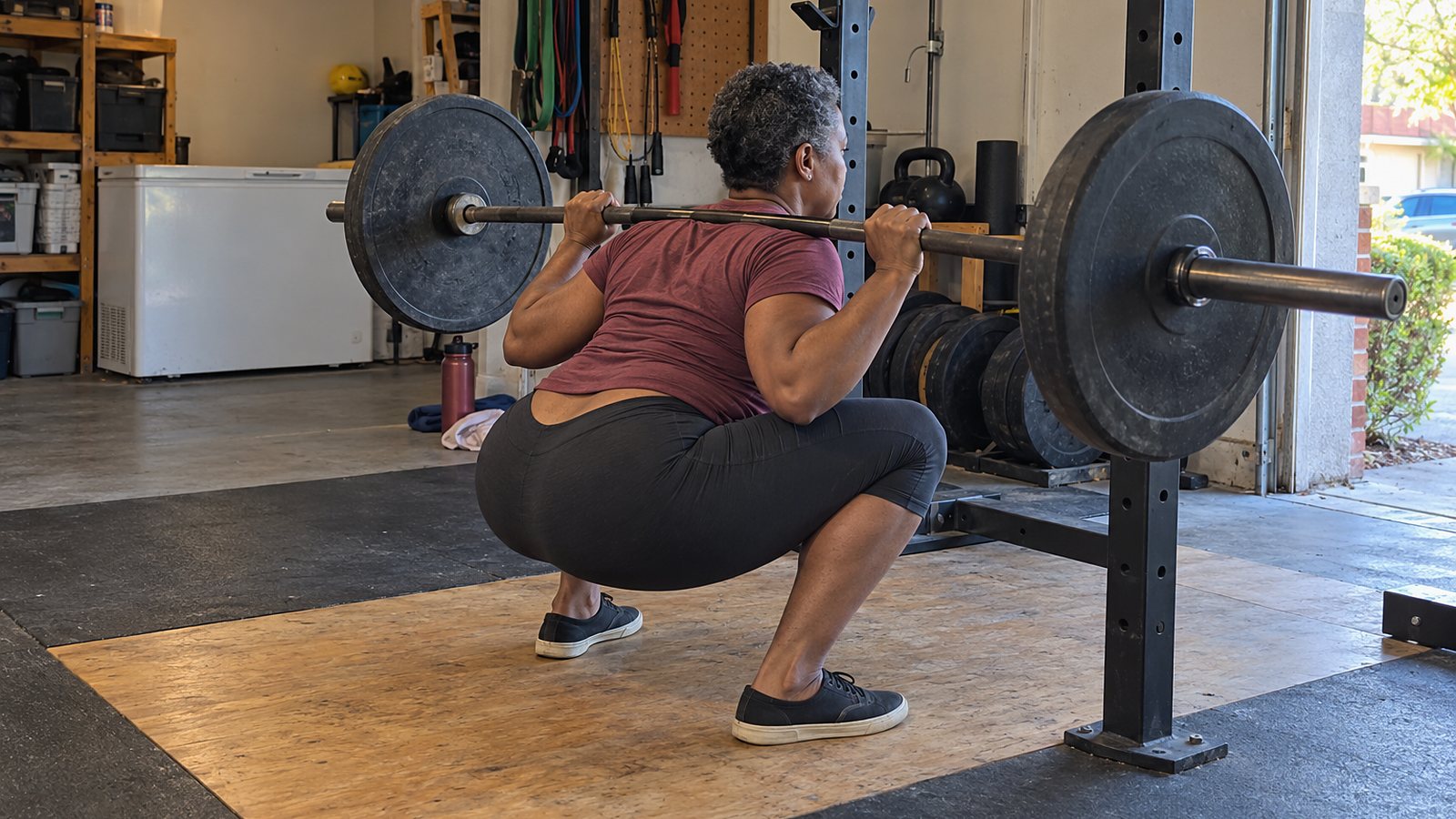
Bench Press Wrist and Elbow Position: Stack the Bar Over Your Forearms
Wrists bending back under the bar? See the right bench press wrist position, how far to tuck your elbows, and simple fixes for sore wrists.
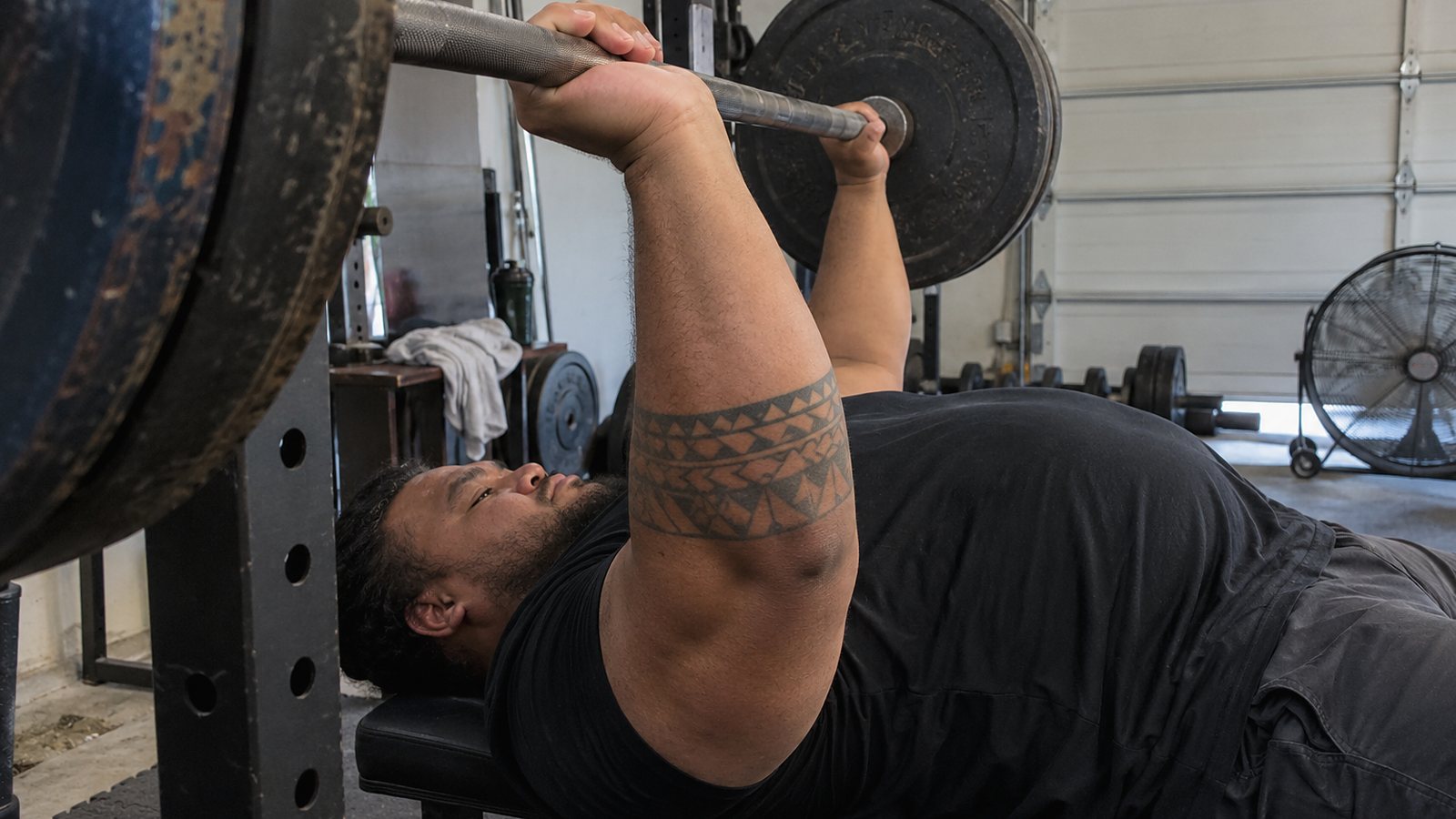
Bench Press Leg Drive: How to Use Your Legs Without Lifting Your Hips
Leg drive pushes you along the bench, not up off it. See how to set your feet, how to use leg drive on the bench press, and what to do if your feet move.
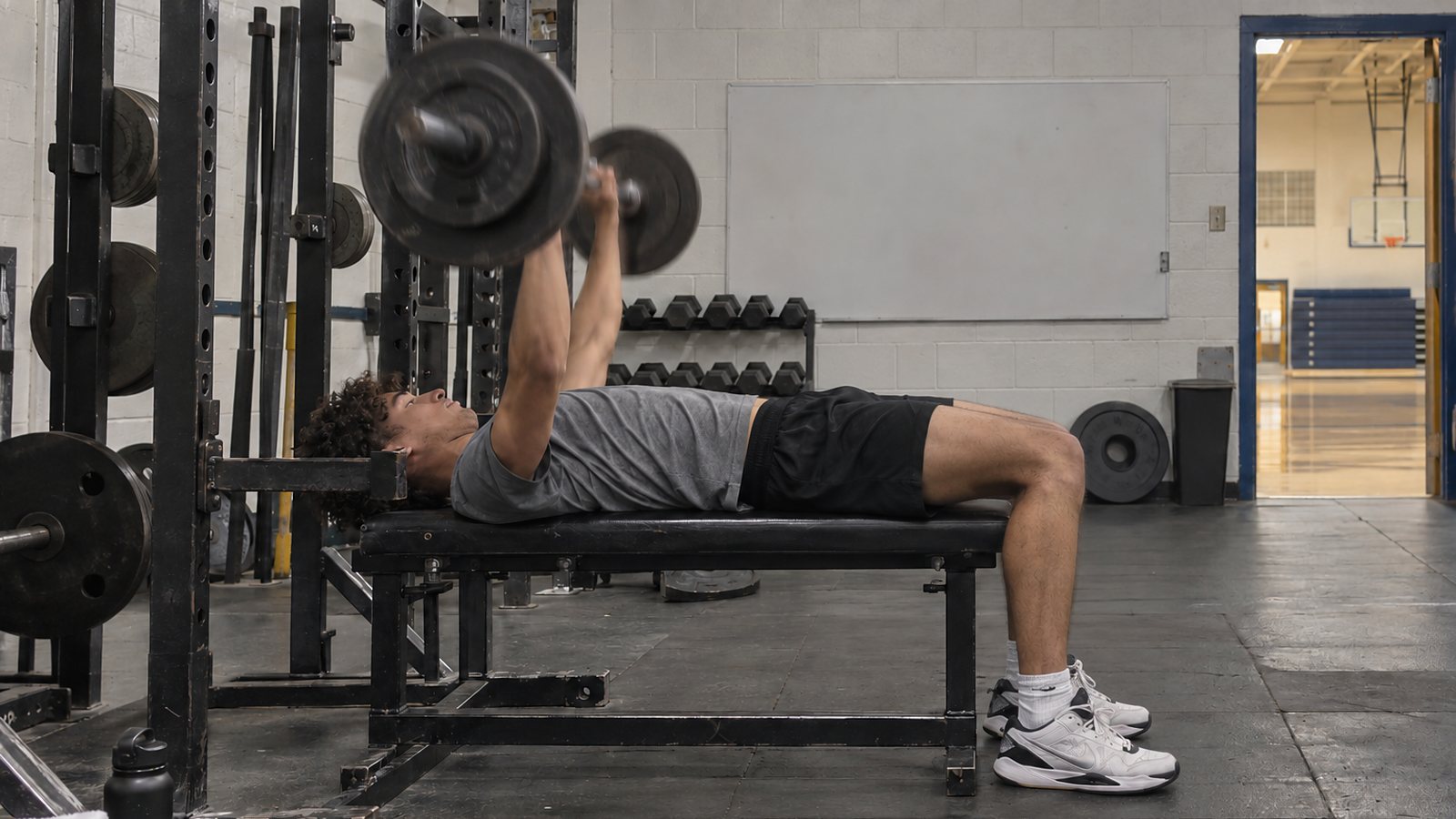
Bench Press Grip Width: How Wide to Grip and How to Hold the Bar
How wide should you grip the bench press? Find a starting grip width from your forearms, see what wide and close grips change, and how to hold the bar.
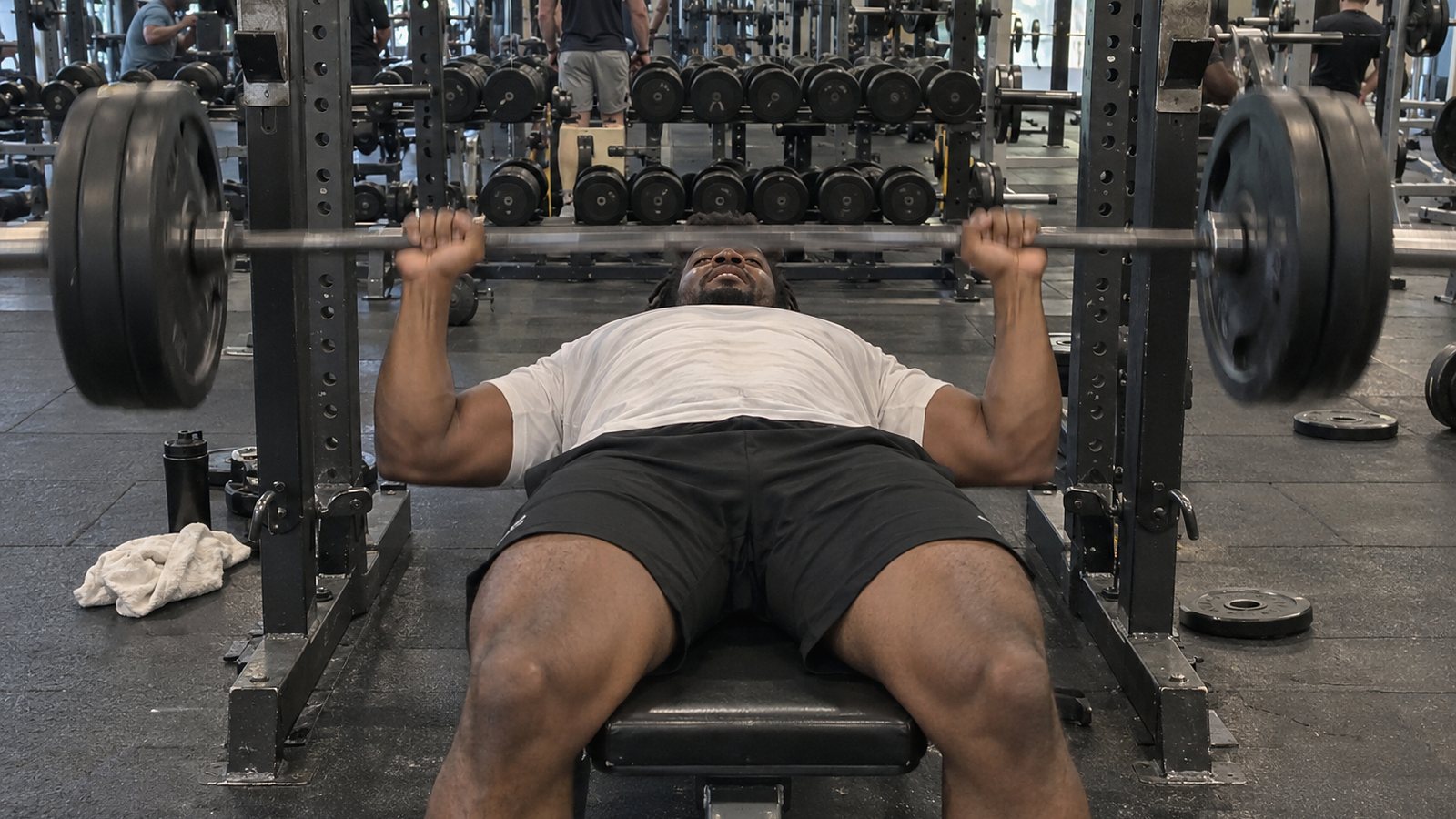
Bench Press Bar Path: Where the Bar Should Touch and Where It Should Go
The best bench press bar path is a slight curve, not a straight line. See where the bar should touch your chest and how to fix a bar that drifts.
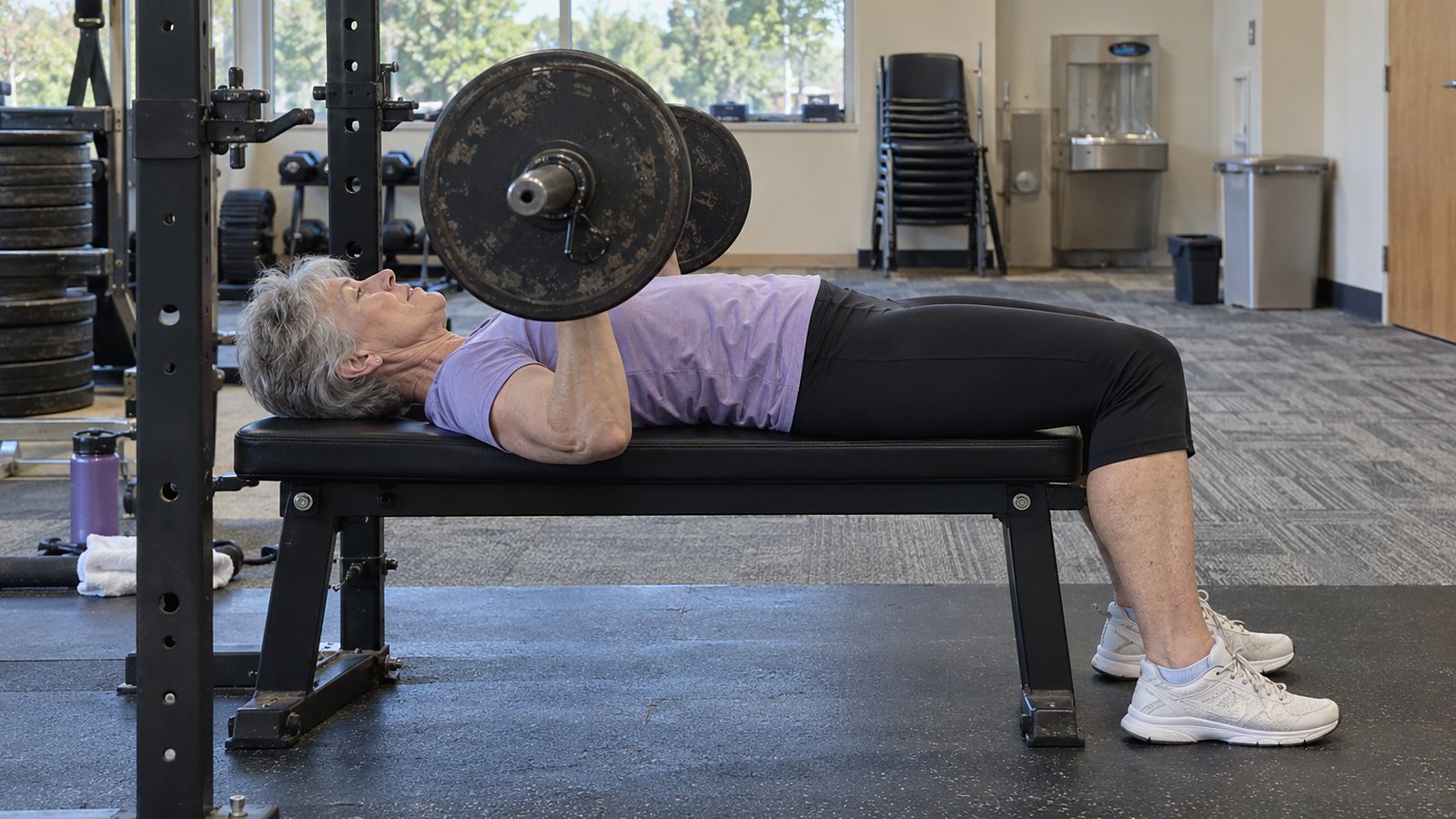
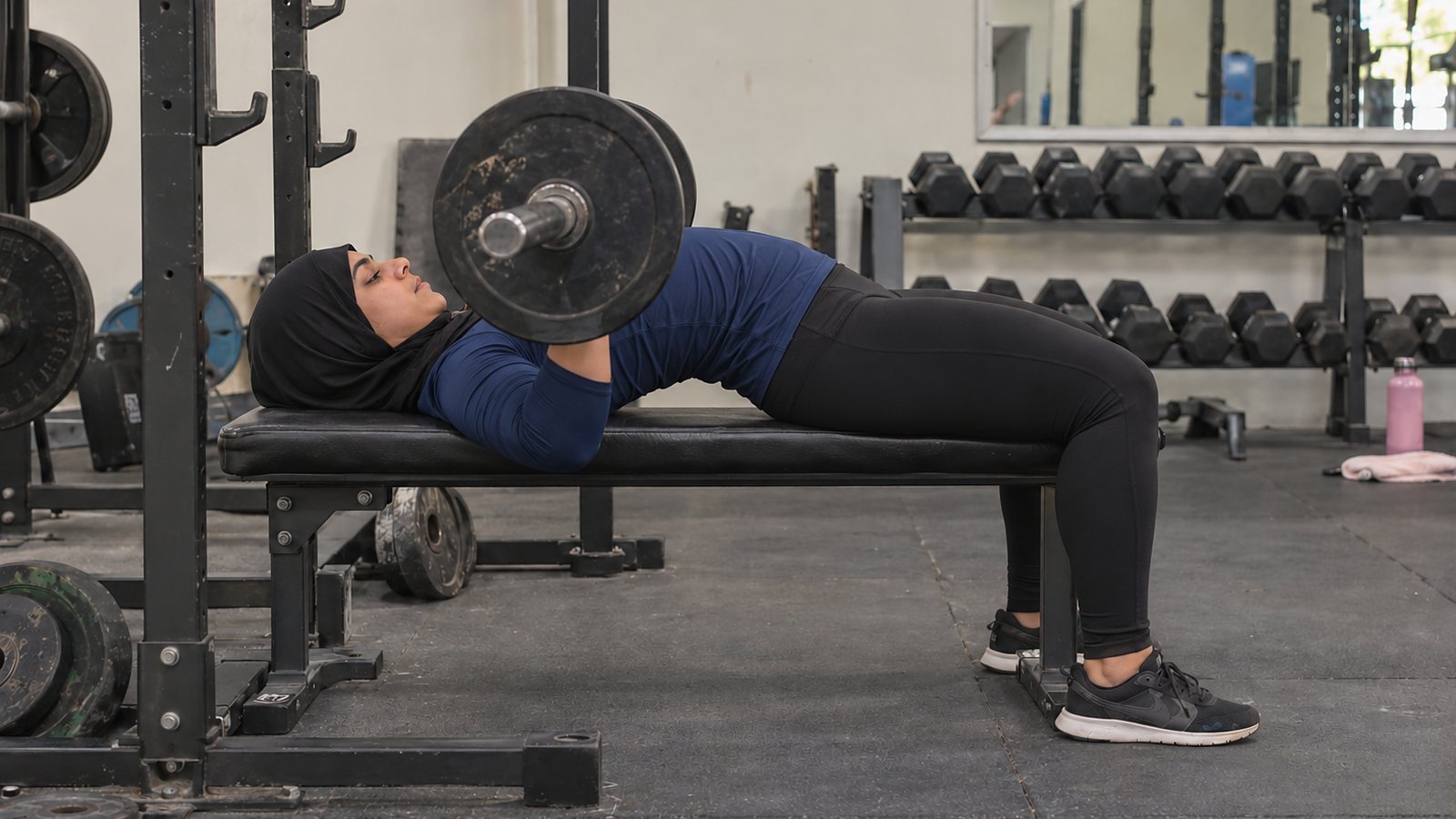
Bench Press Arch: Should You Arch Your Back When You Bench?
Should you arch your back on the bench press? See why lifters arch, whether it is safe or allowed, and how to set a moderate arch you can repeat.
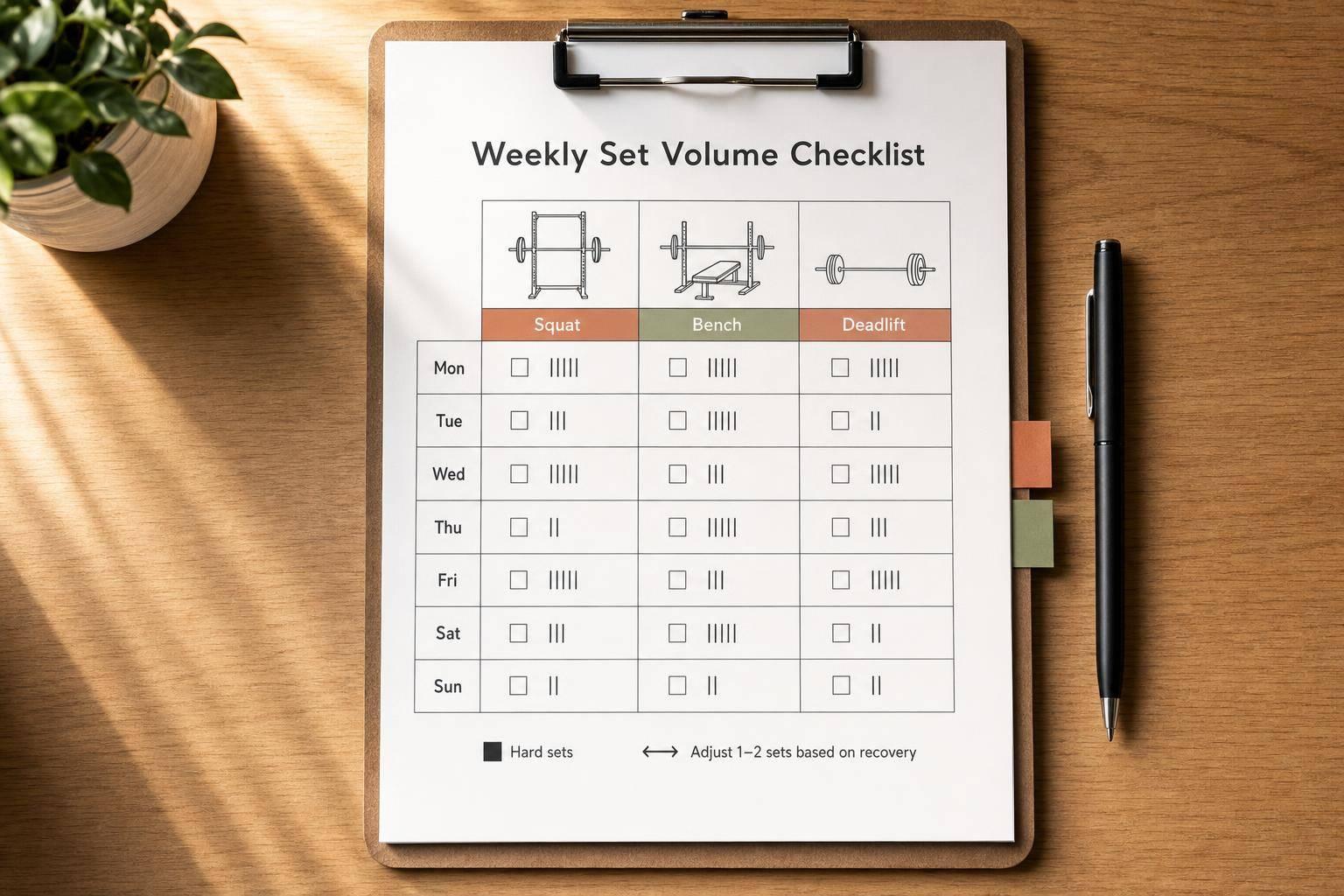
Weekly Set Volume Checklist for 3 Big Lifts
Audit squat, bench, and deadlift by counting hard sets, spreading weekly volume, and adjusting 1–2 sets based on recovery.
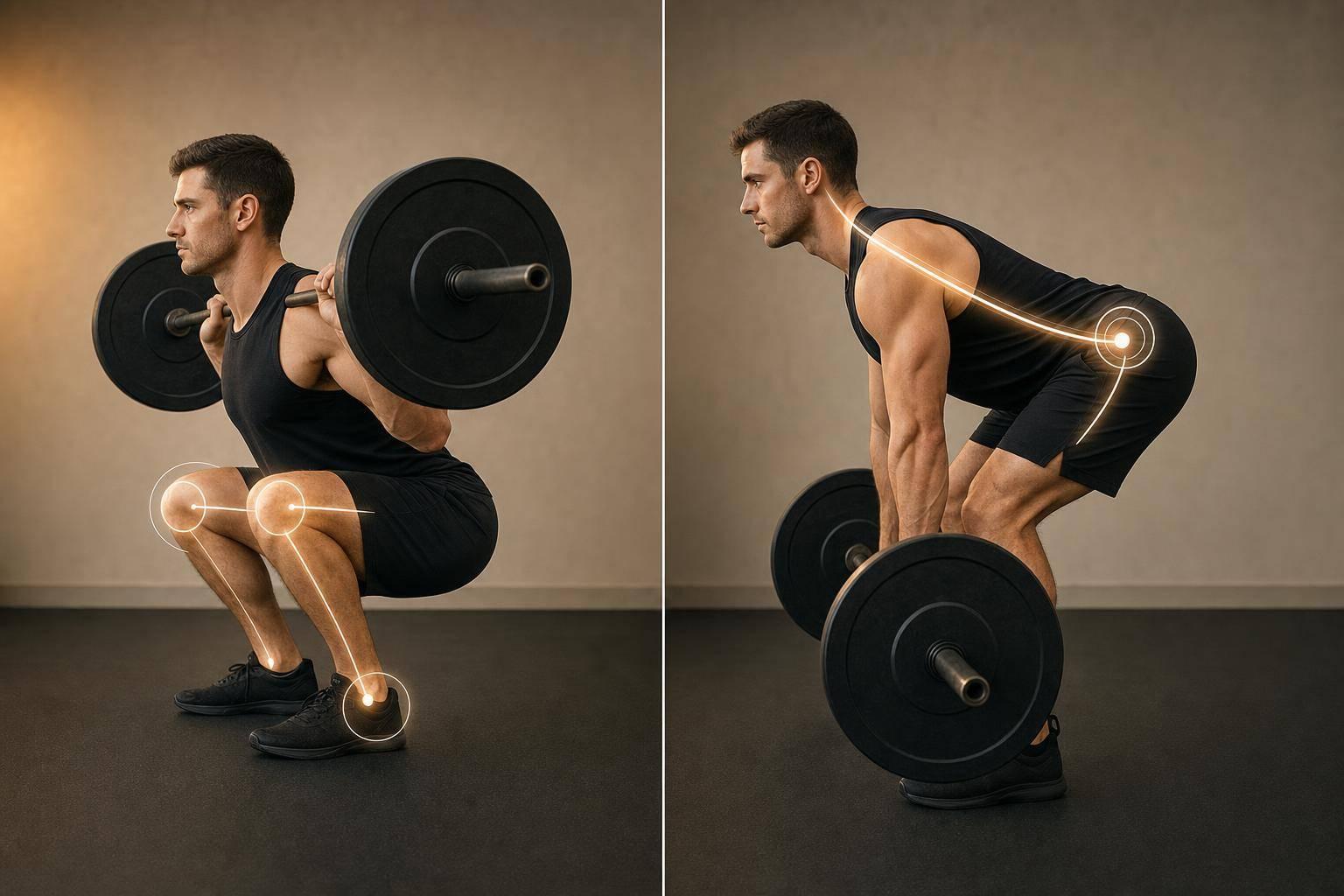
Squat vs Deadlift for Joint Stability
Compare squat and deadlift joint demands: squats target knee/ankle control while deadlifts emphasize hip and trunk stability.
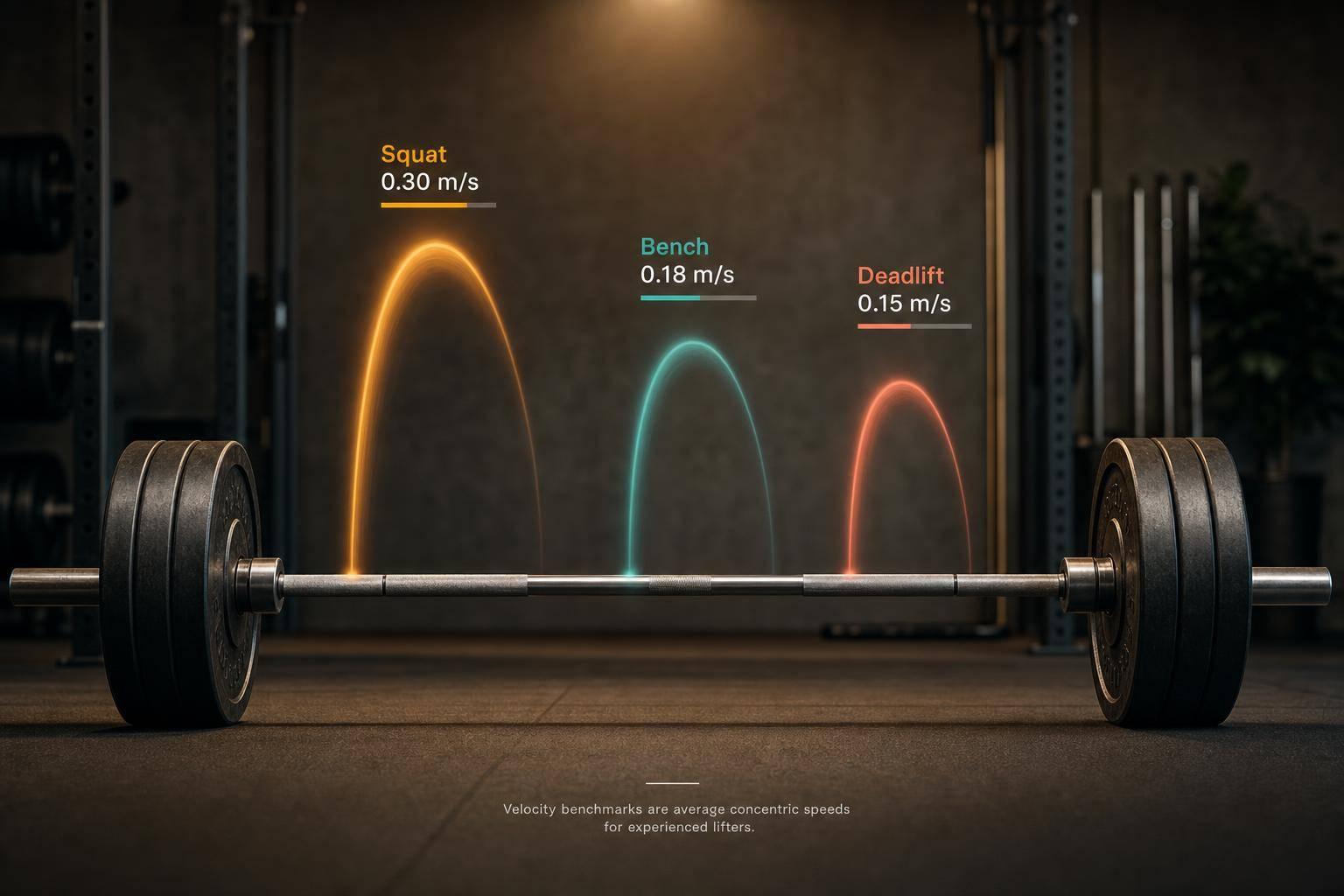
Velocity Benchmarks for Squat, Bench, Deadlift
Use mean concentric velocity to auto-regulate squat, bench, and deadlift loads with 1RM speed benchmarks, normal swings, and simple load-adjust rules.
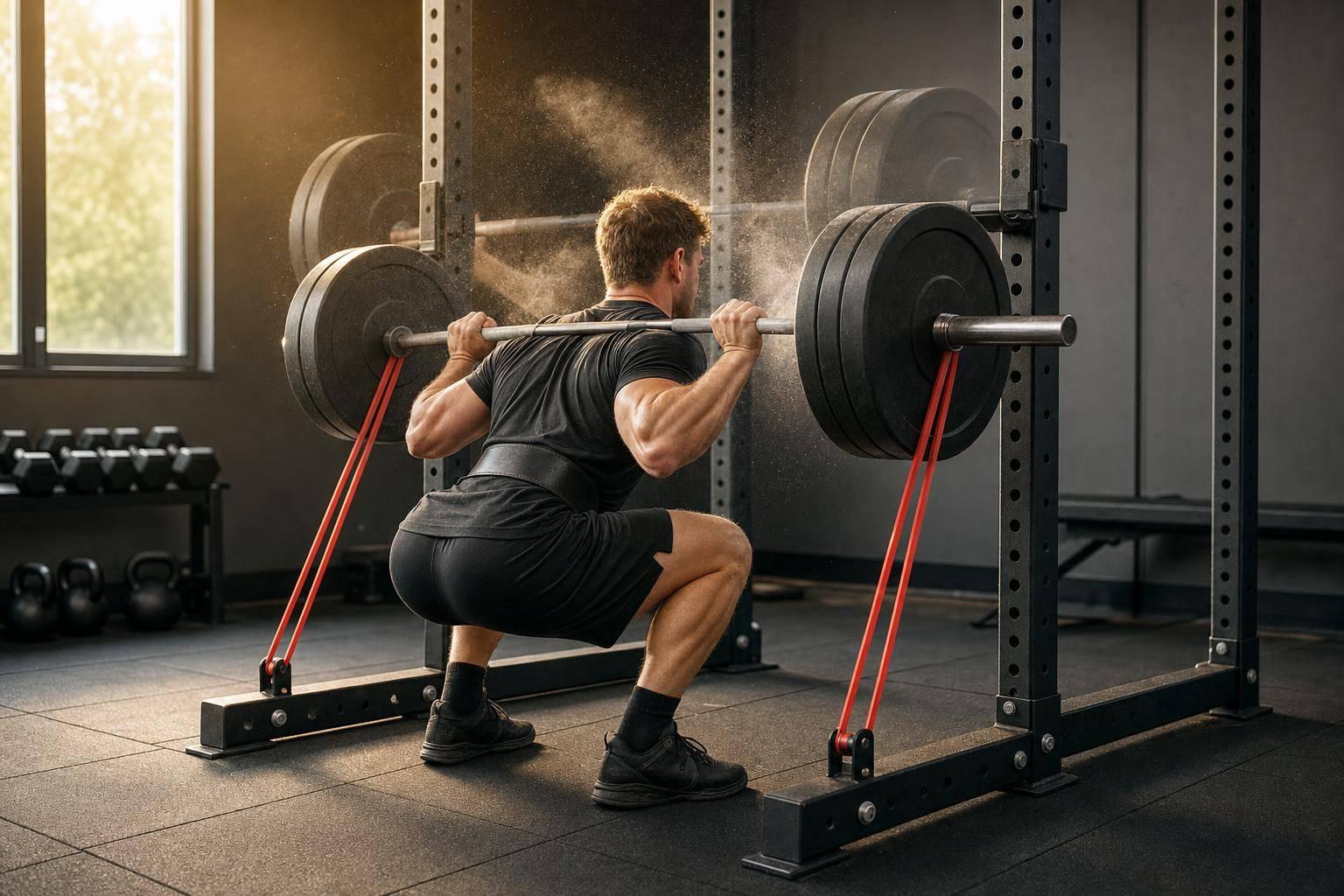
When Dynamic Resistance Helps Squat and Bench
Straight weight builds base strength; use bands or chains in short 3–6 week blocks to boost bar speed and lockout.
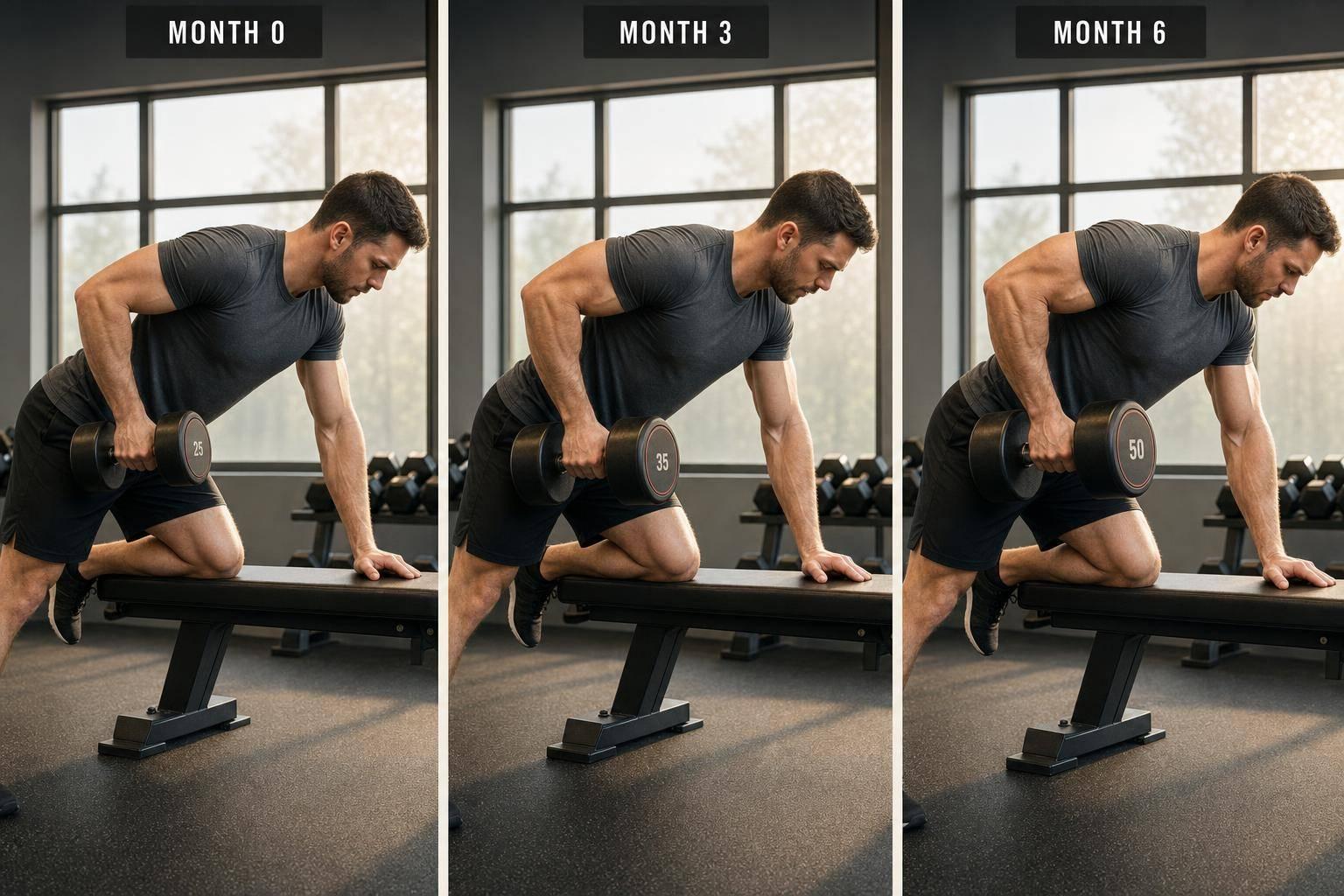
Testosterone and Muscle Hypertrophy: What Science Says
Long-term testosterone exposure boosts lean mass; dose, baseline, and consistent resistance training determine gains—post-workout spikes matter little.
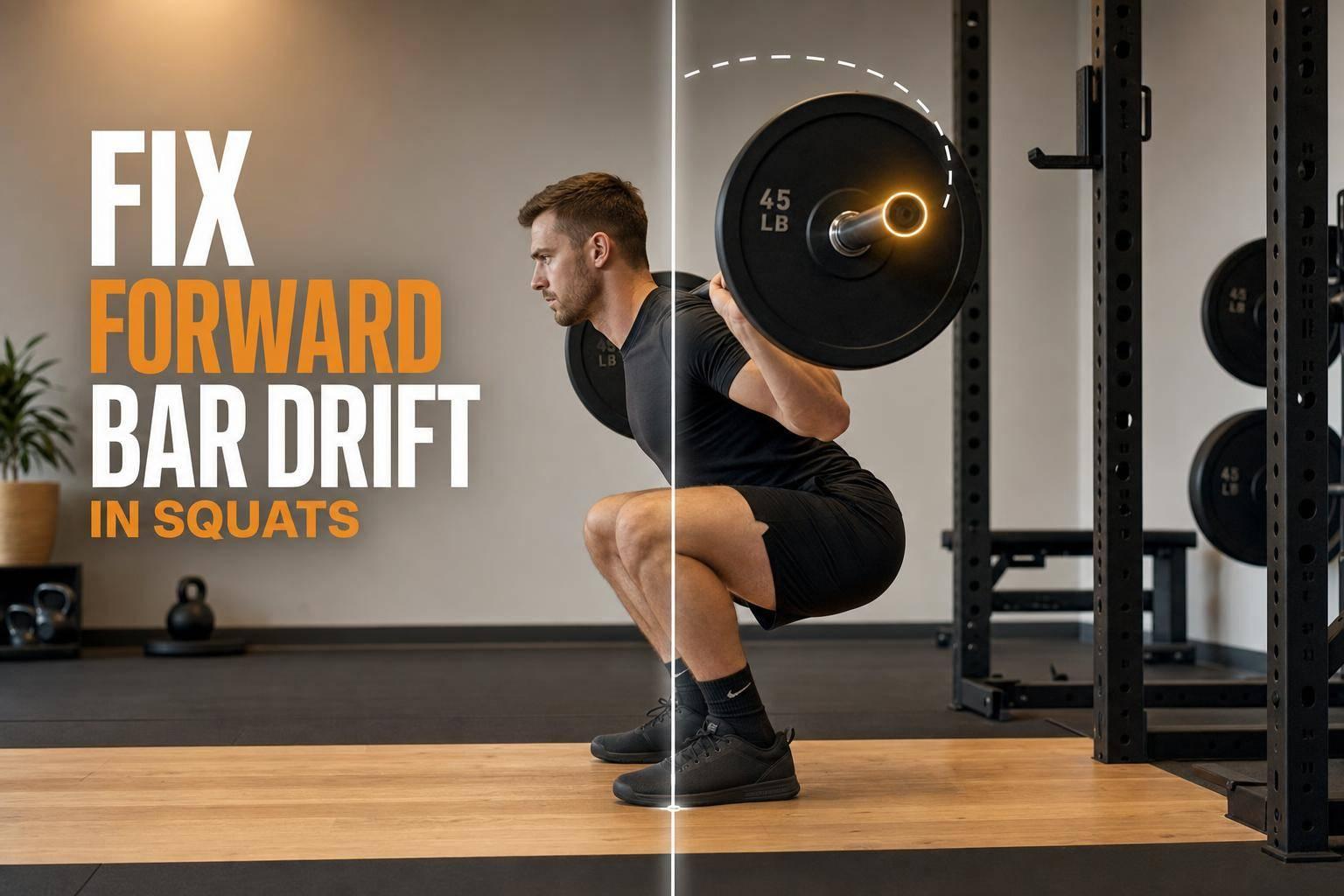
Fix forward bar drift in squats
Film your squat from the side, find the first frame the bar moves past midfoot, then fix the cause—ankles, brace, hips, or bar setup.
High Bar vs Low Bar Squat: What Changes and Which One Suits You
High bar or low bar? See where the bar sits, how torso angle, depth and muscle emphasis change, and how to pick the squat that fits your goal.
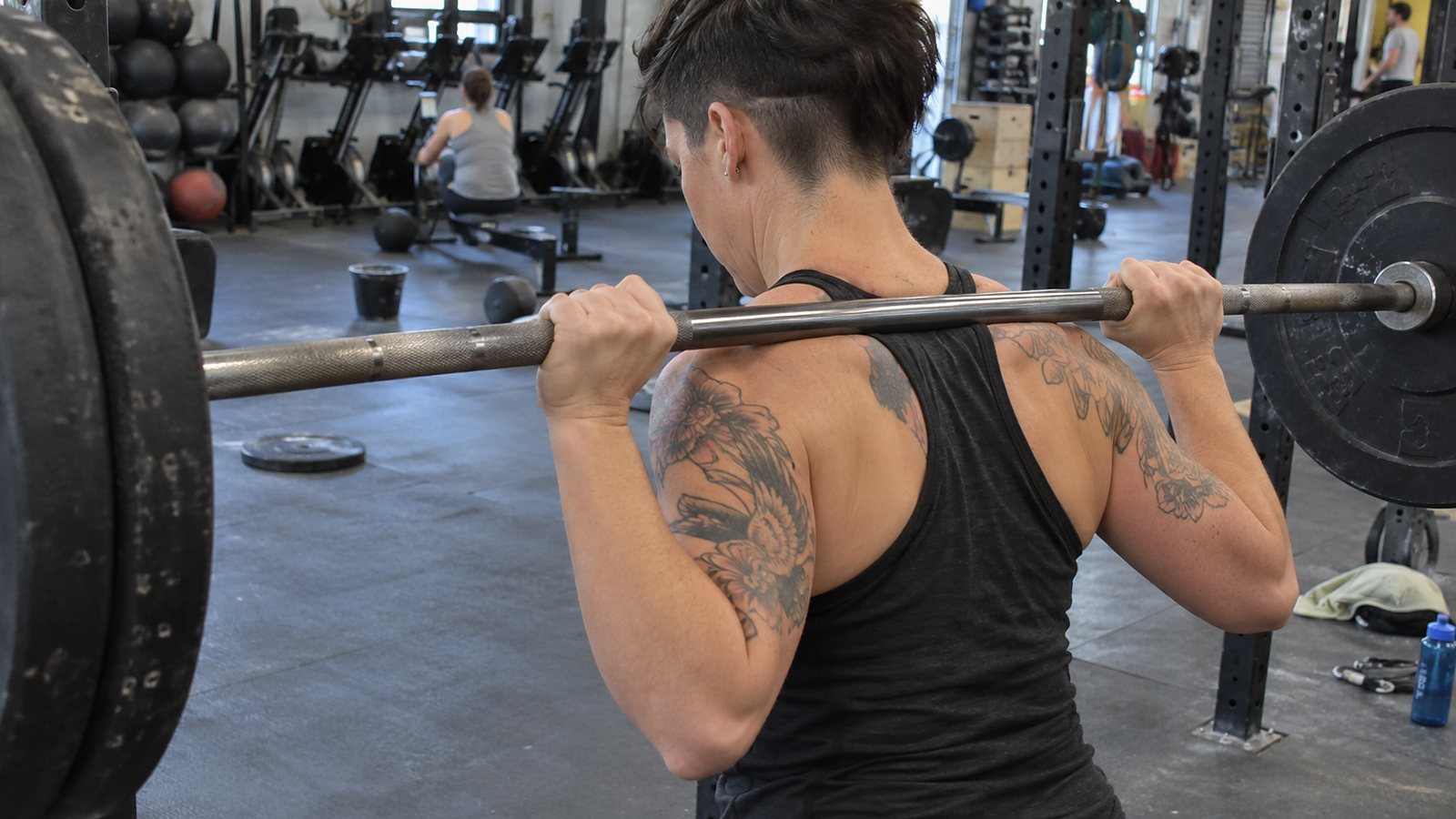
Squat Depth: How Deep Should You Squat and How to Get There
How deep should you squat? See what counts as parallel, what competition rules require, and how to build depth in small steps without forcing it.
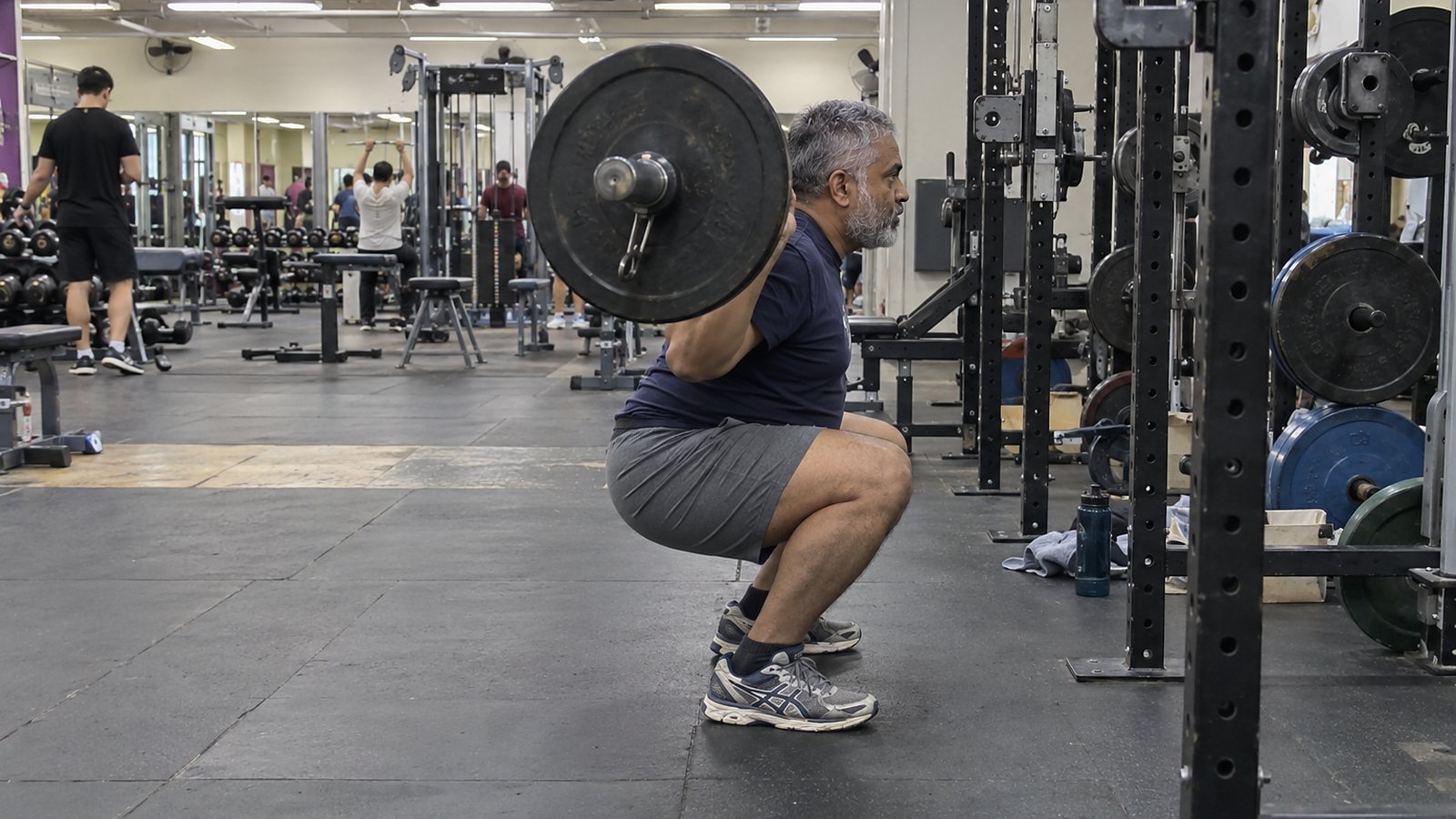
Top 5 Form Errors in Compound Lifts
Small form mistakes in squats, bench, and deadlifts shift load to joints — fix bracing, foot pressure, bar path, upper-back, and setup.
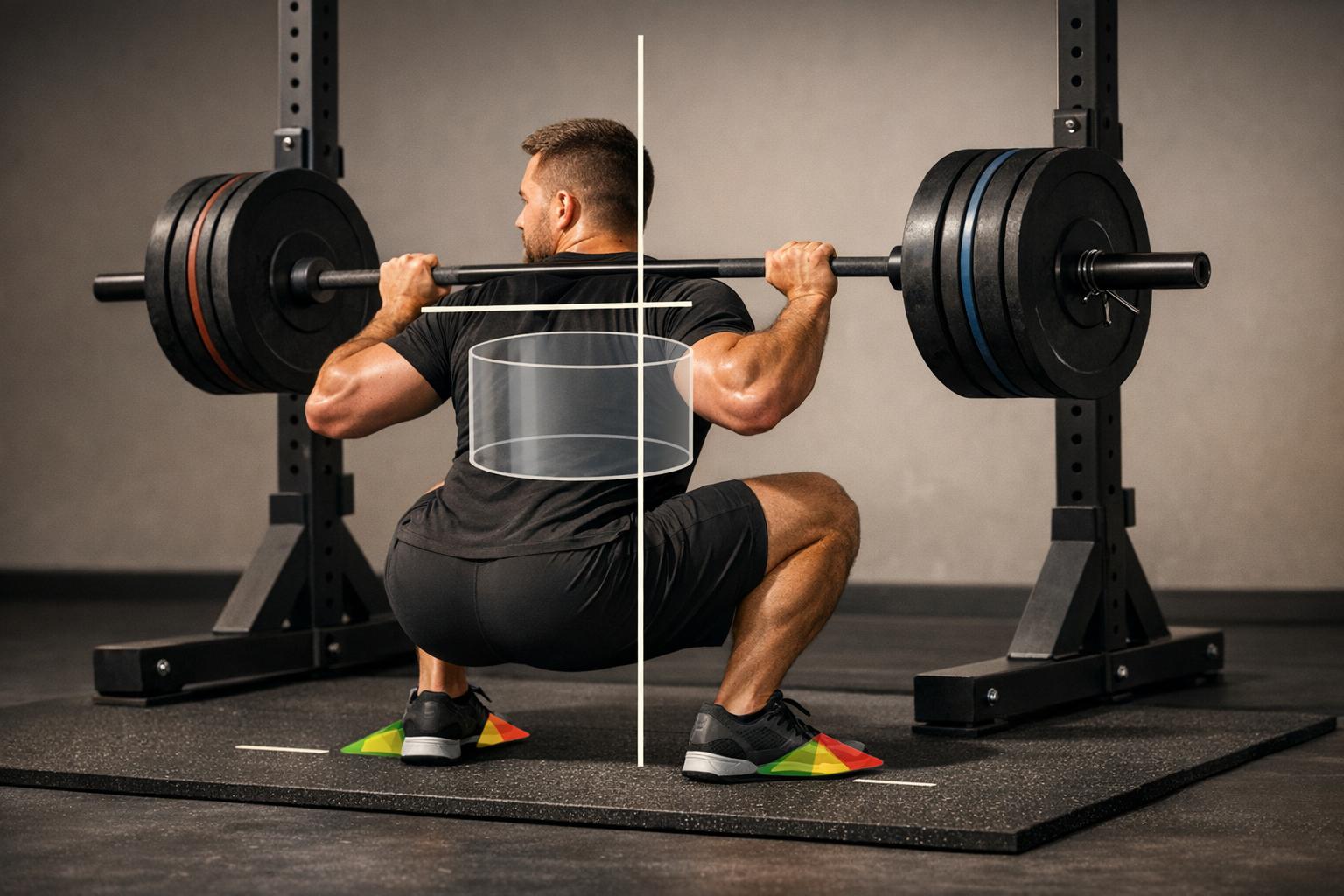
How Warm-Ups Prevent Lifting Injuries
Warm-ups are essential — they cut injury risk, boost strength and mobility, and fix technique before heavy lifts.
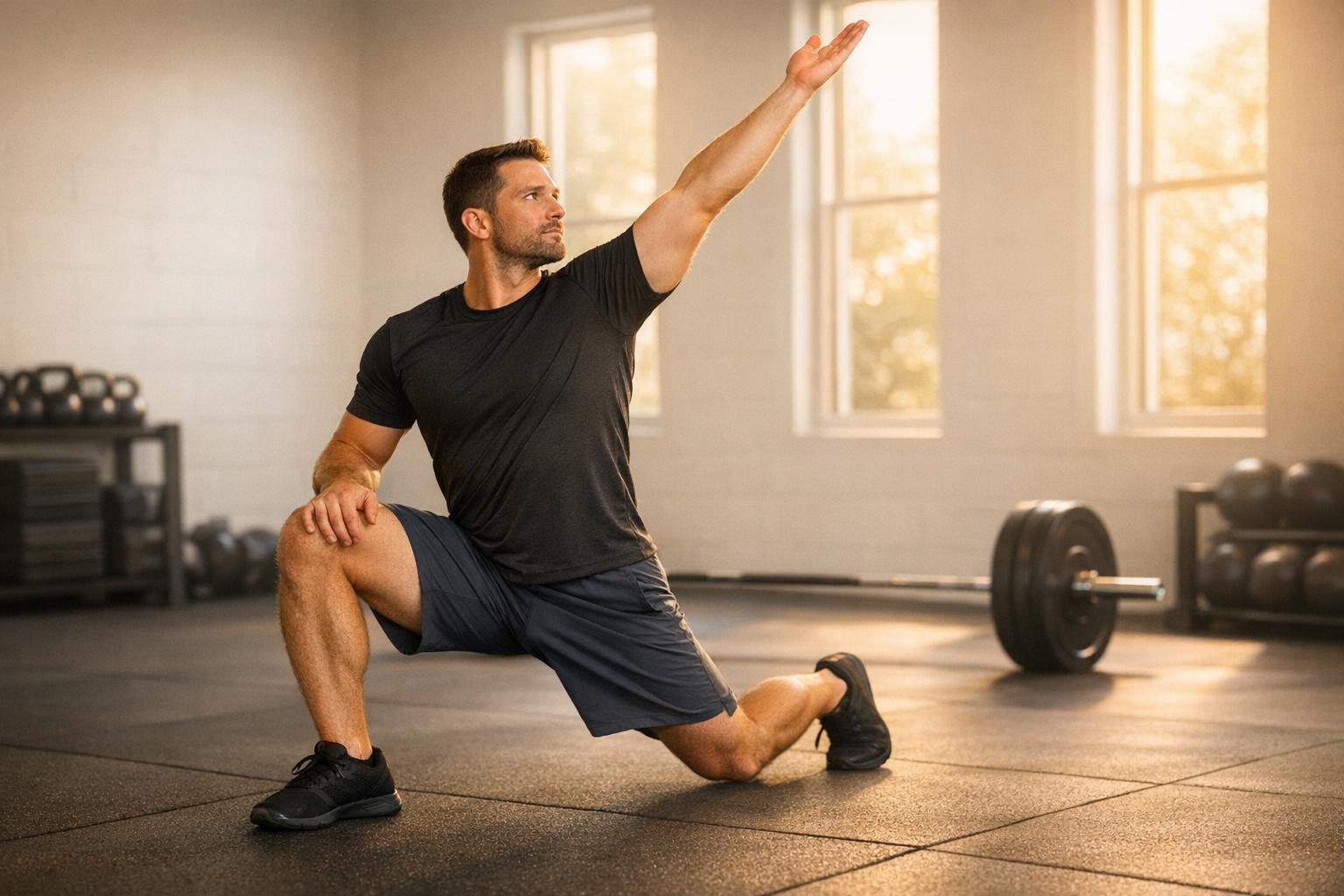
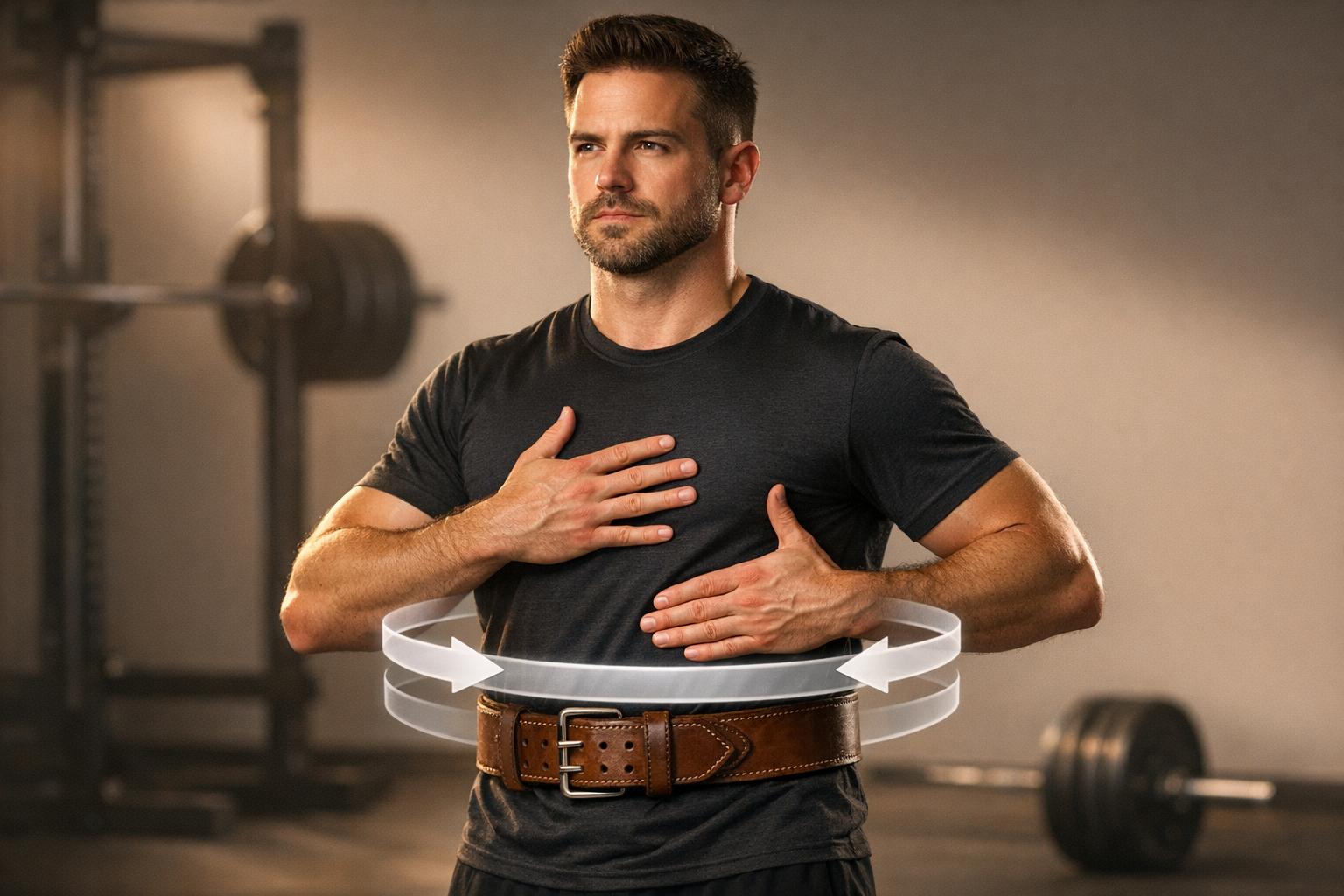
Breathing and Bracing for Squats and Deadlifts
Learn diaphragmatic breathing, 360° bracing, belt use, and drills to protect your spine and increase squat and deadlift strength.