Articles
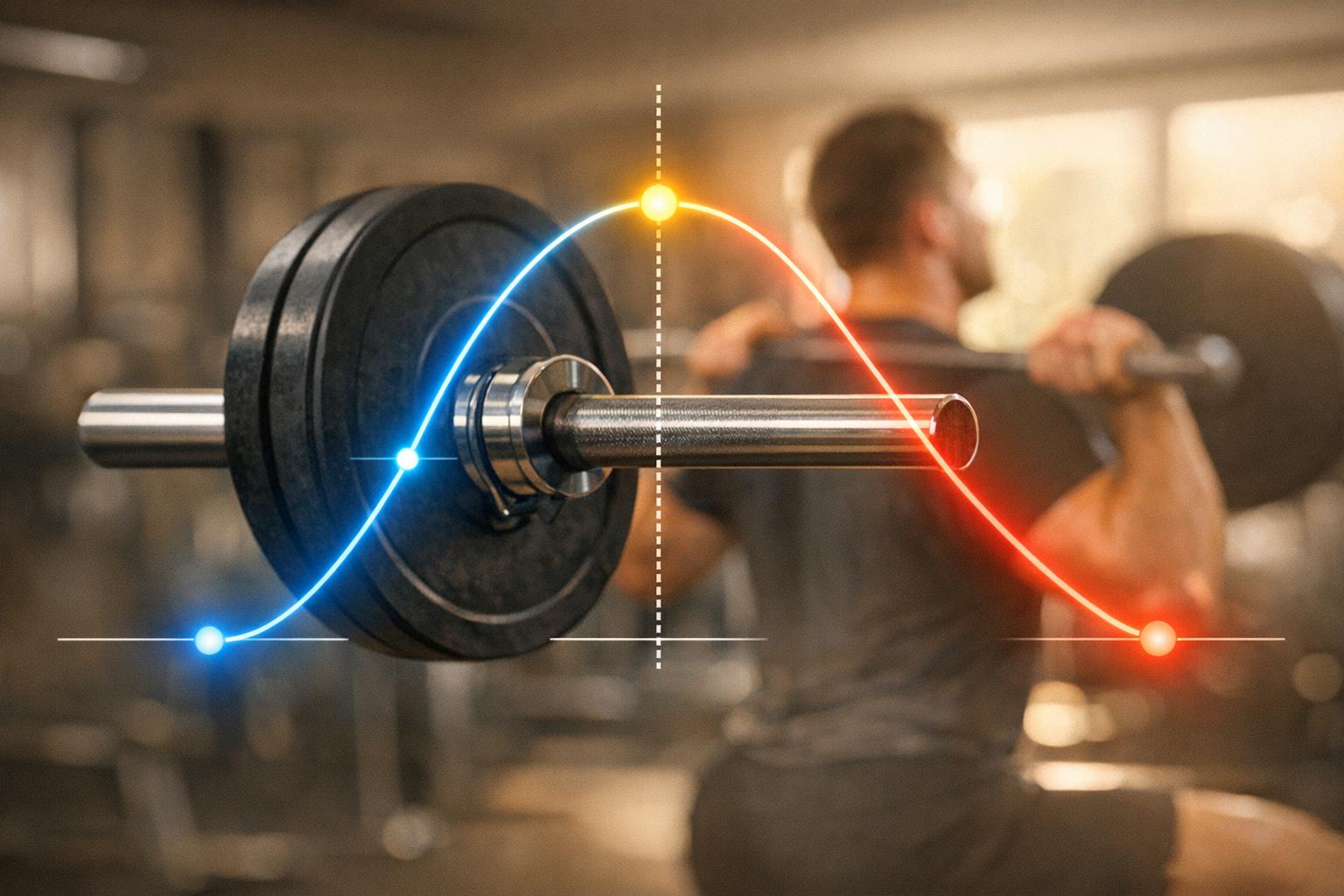
Progressive Overload for Squats, Bench, Deadlift Safety
How to apply progressive overload safely for squats, bench press, and deadlifts—focus on form, small weight jumps, recovery, and form checks.
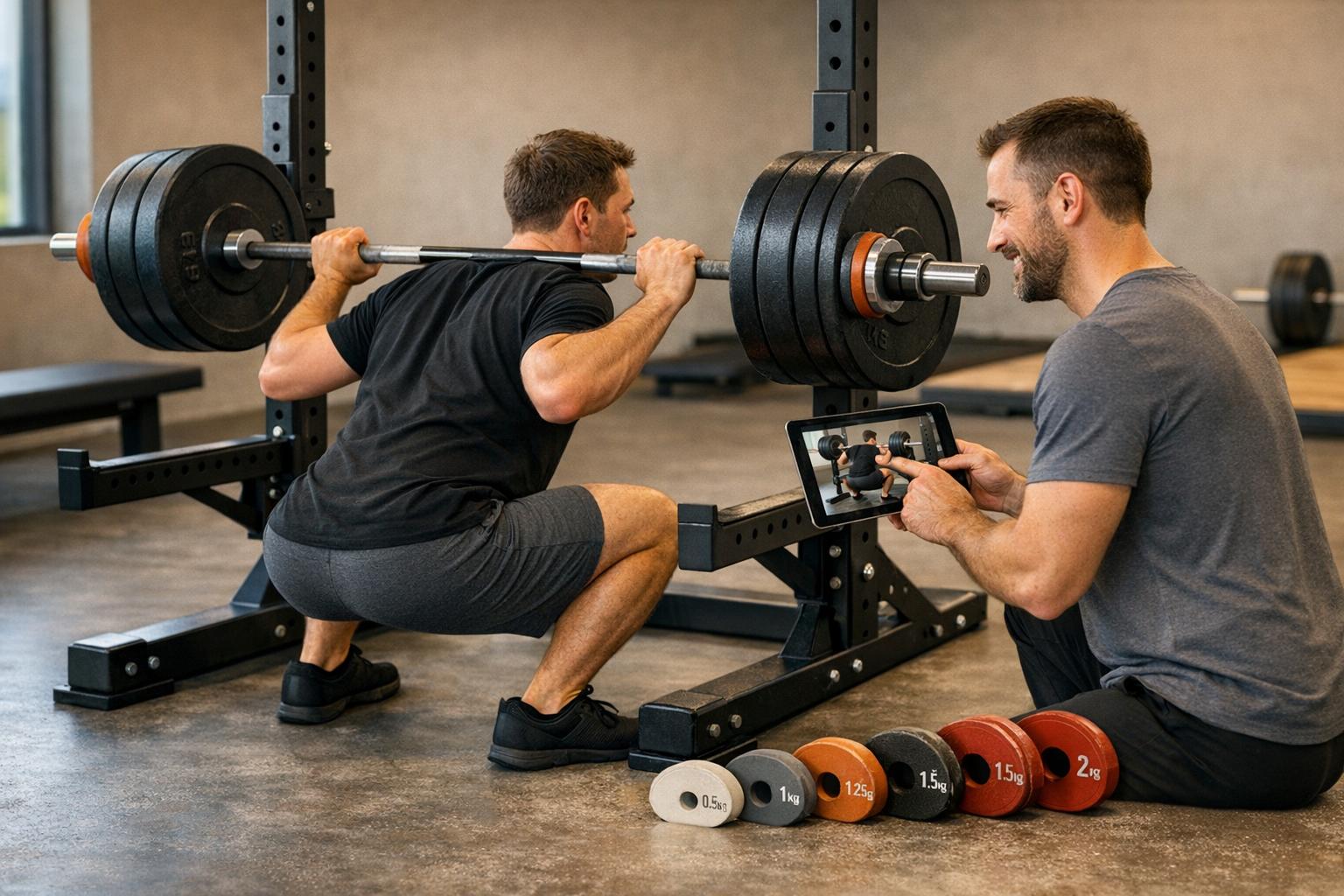
Bar Path vs. Repetition Quality: Key Differences
Compare bar path and repetition quality to improve lift efficiency, reduce injury risk, and get clear AI-backed technique feedback.
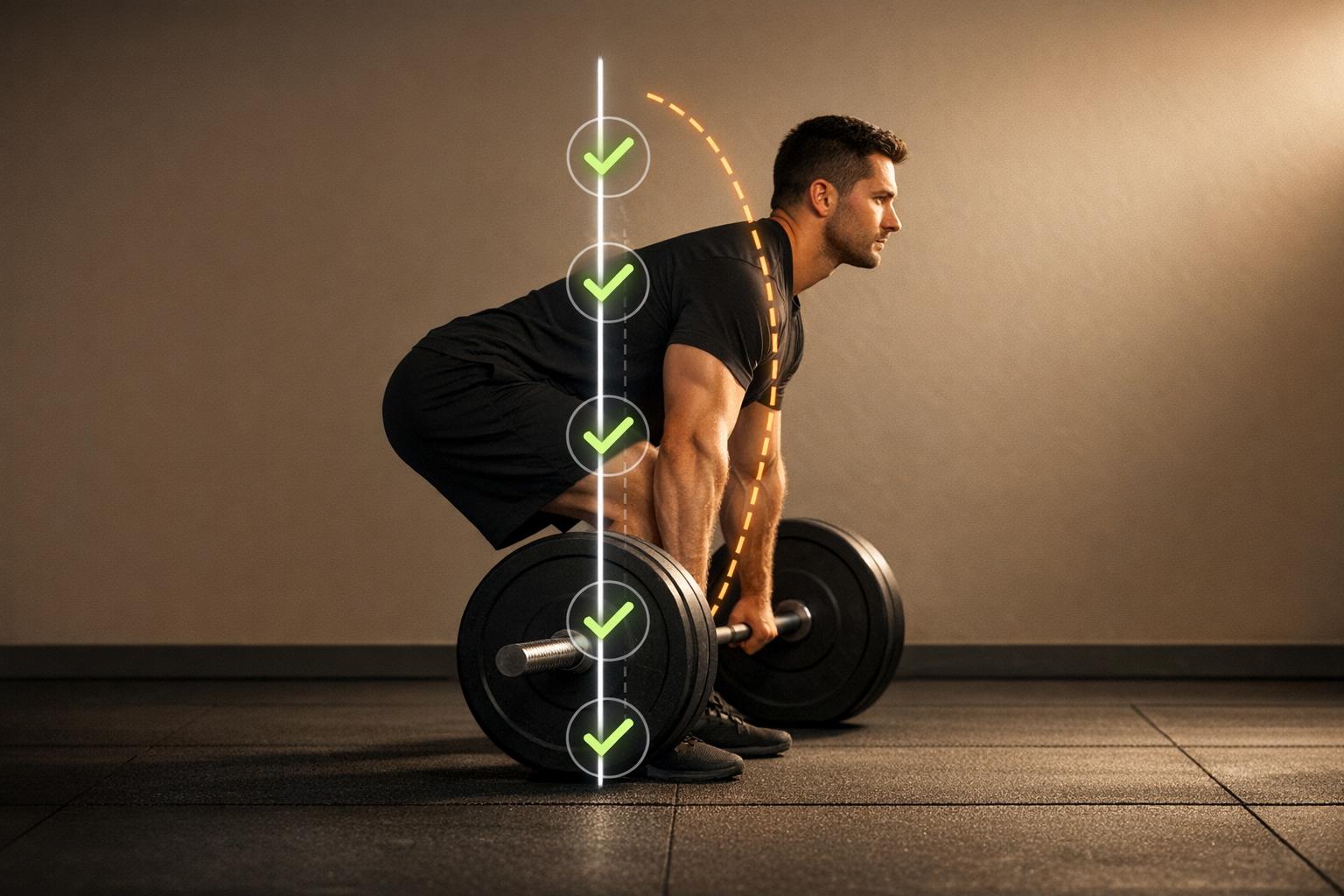
5 Benefits of AI-Powered Workout Plans
Personalized, adaptive AI workout plans adjust workouts, correct form, reduce injury risk, and boost adherence and results.
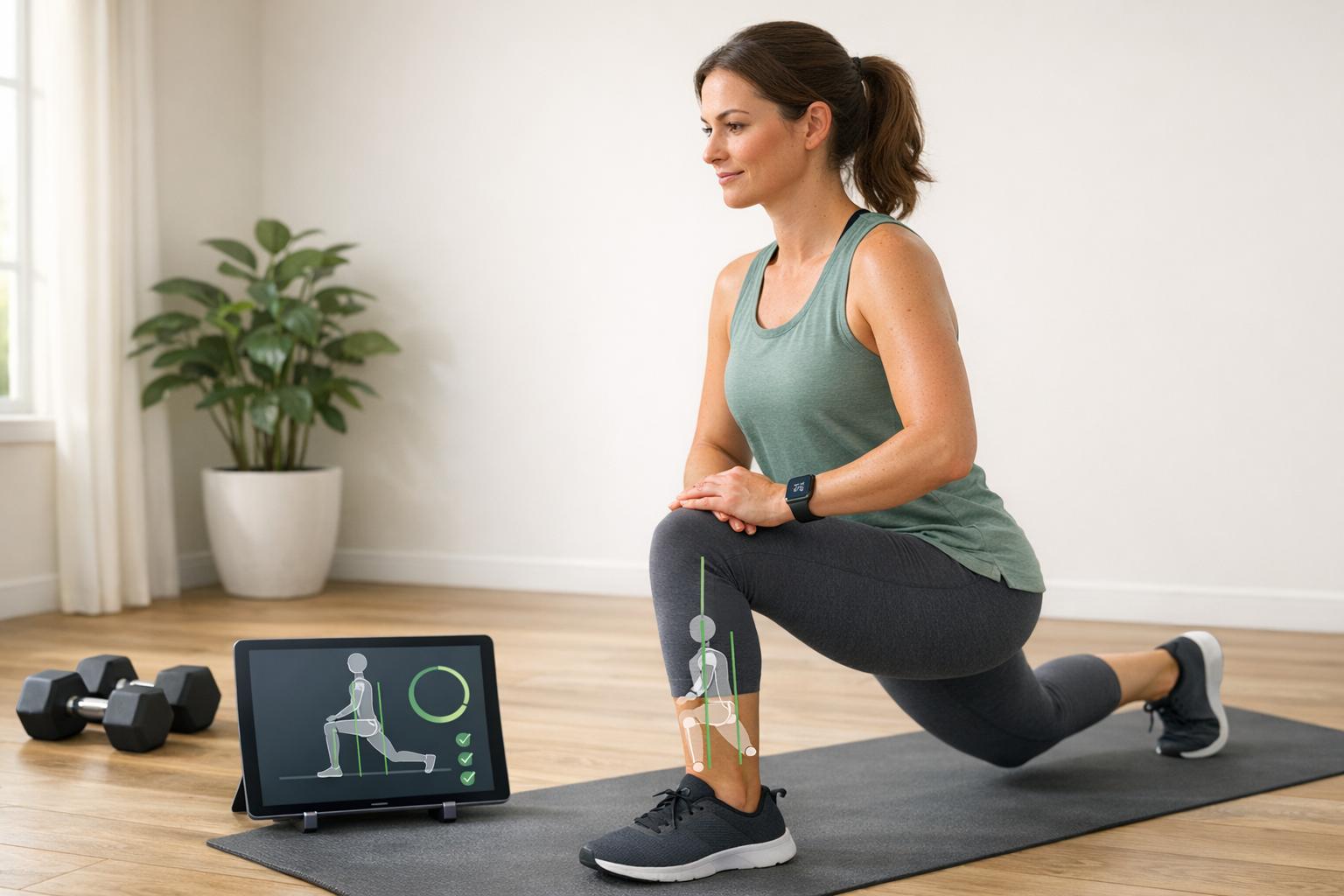
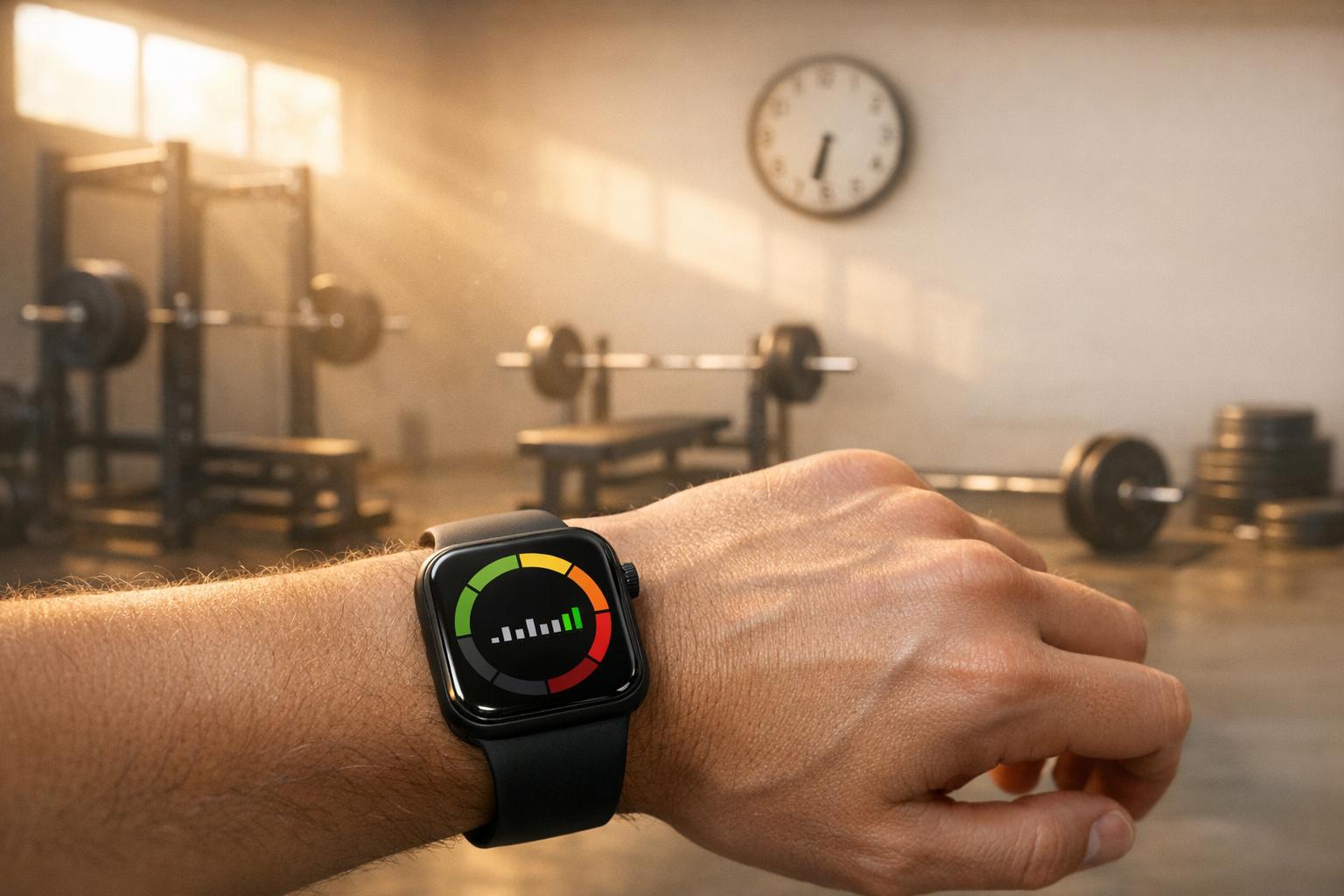
HRV Monitoring for Squat, Bench, and Deadlift
Use morning HRV to auto-adjust intensity for squats, bench, and deadlifts—push on high-readiness, taper or rest on low HRV.
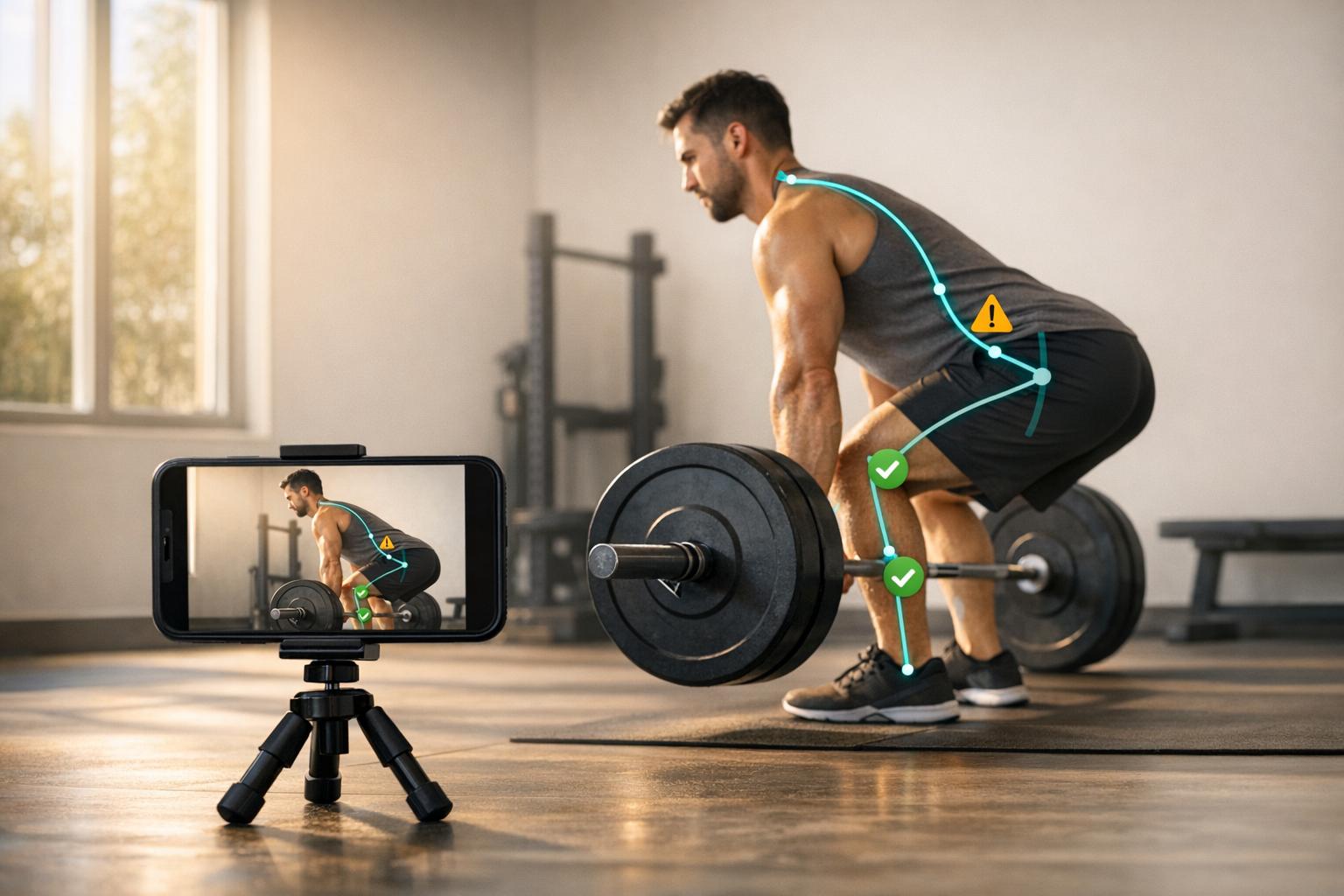
How AI Tracks Form to Prevent Injuries
Smartphone AI analyzes lifting form, flags risky mechanics, gives personalized cues, and lowers injury risk while boosting gains.
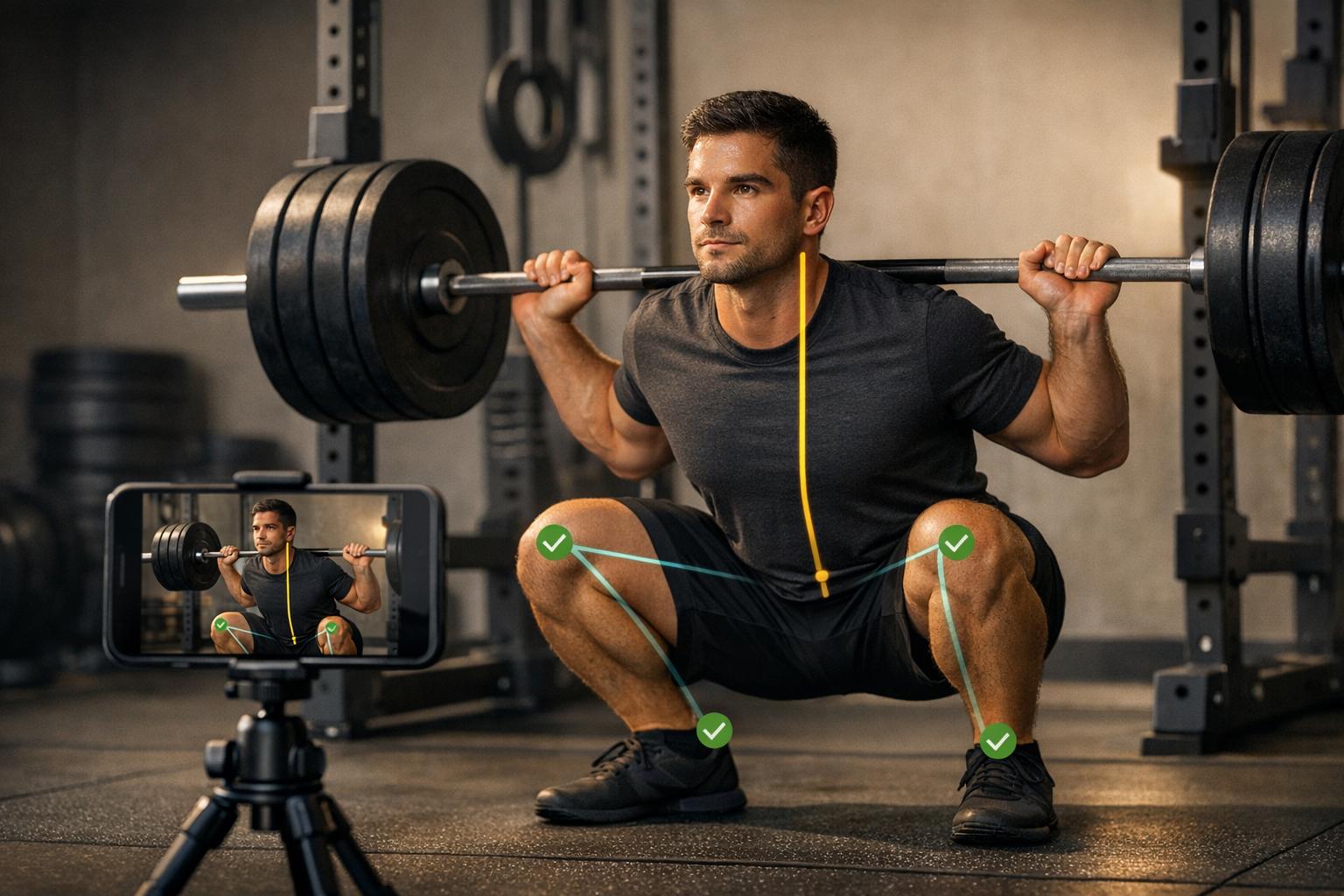
Real-Time Form Correction: Benefits for Lifters
AI-powered real-time form feedback improves strength, reduces injuries, and corrects technique during every rep using your smartphone.
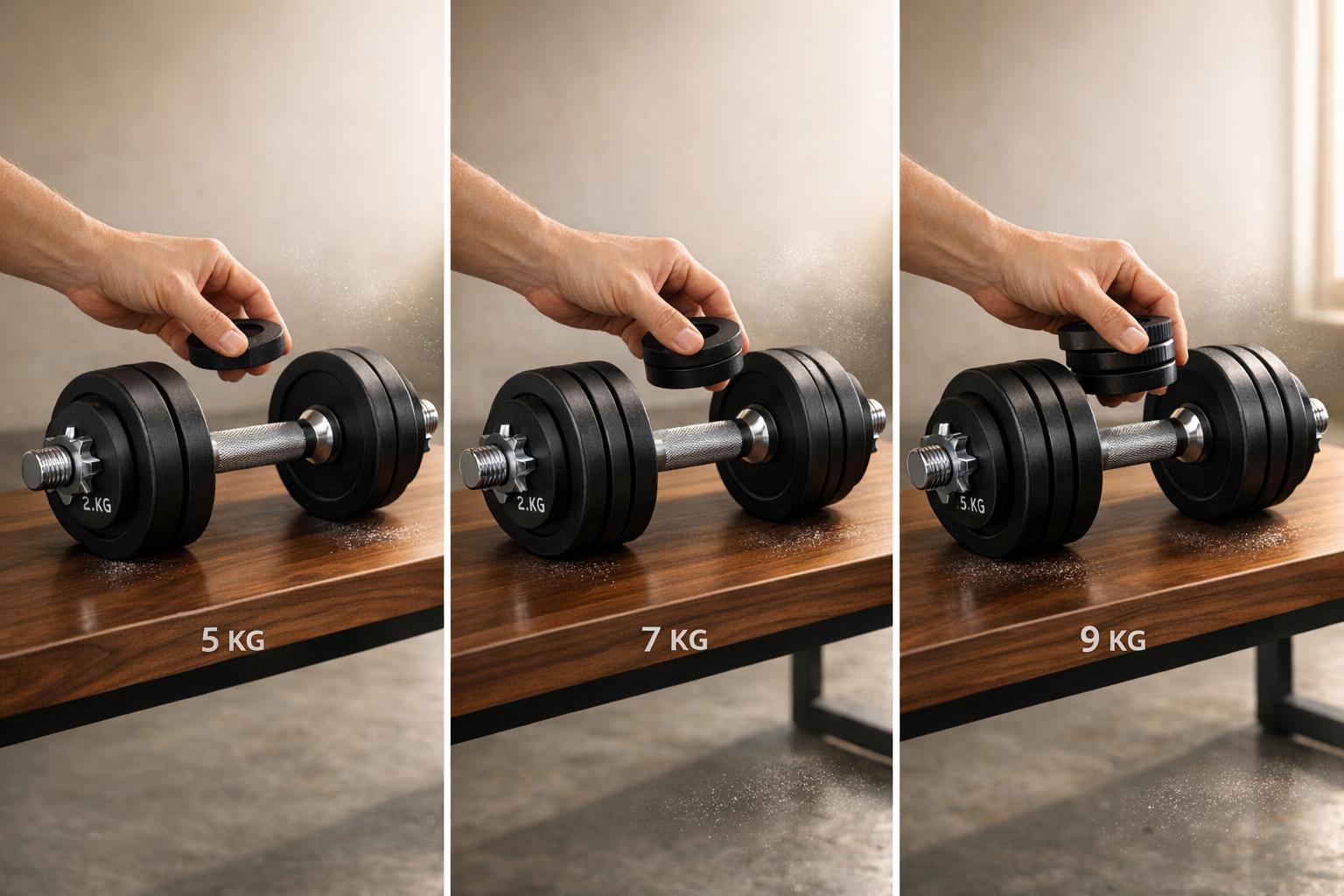
Joint Adaptation in Progressive Overload: What Science Says
How joints, tendons, and the nervous system adapt to progressive overload—and safe ways to increase weight or reps.
AI in Strength Training: Progress Tracking Explained
How AI tracks 1RM, bar speed, form and recovery to autoregulate workouts, measure progress, and lower injury risk.
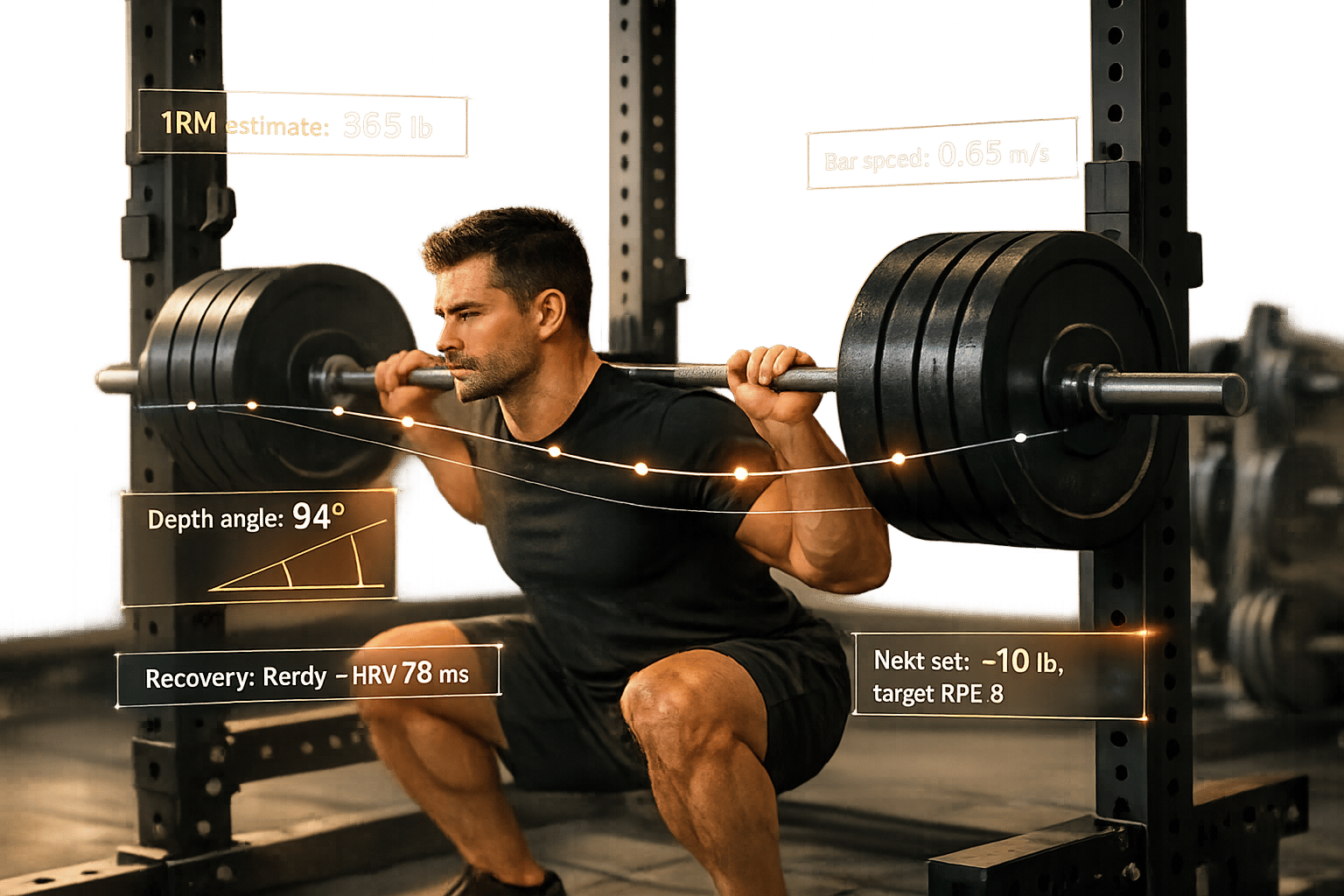
Research: Warm-Ups Reduce Joint Injuries
Dynamic warm-ups cut ACL and knee injuries, boost mobility and neuromuscular control with 8–12 minute routines and ramp-up sets.
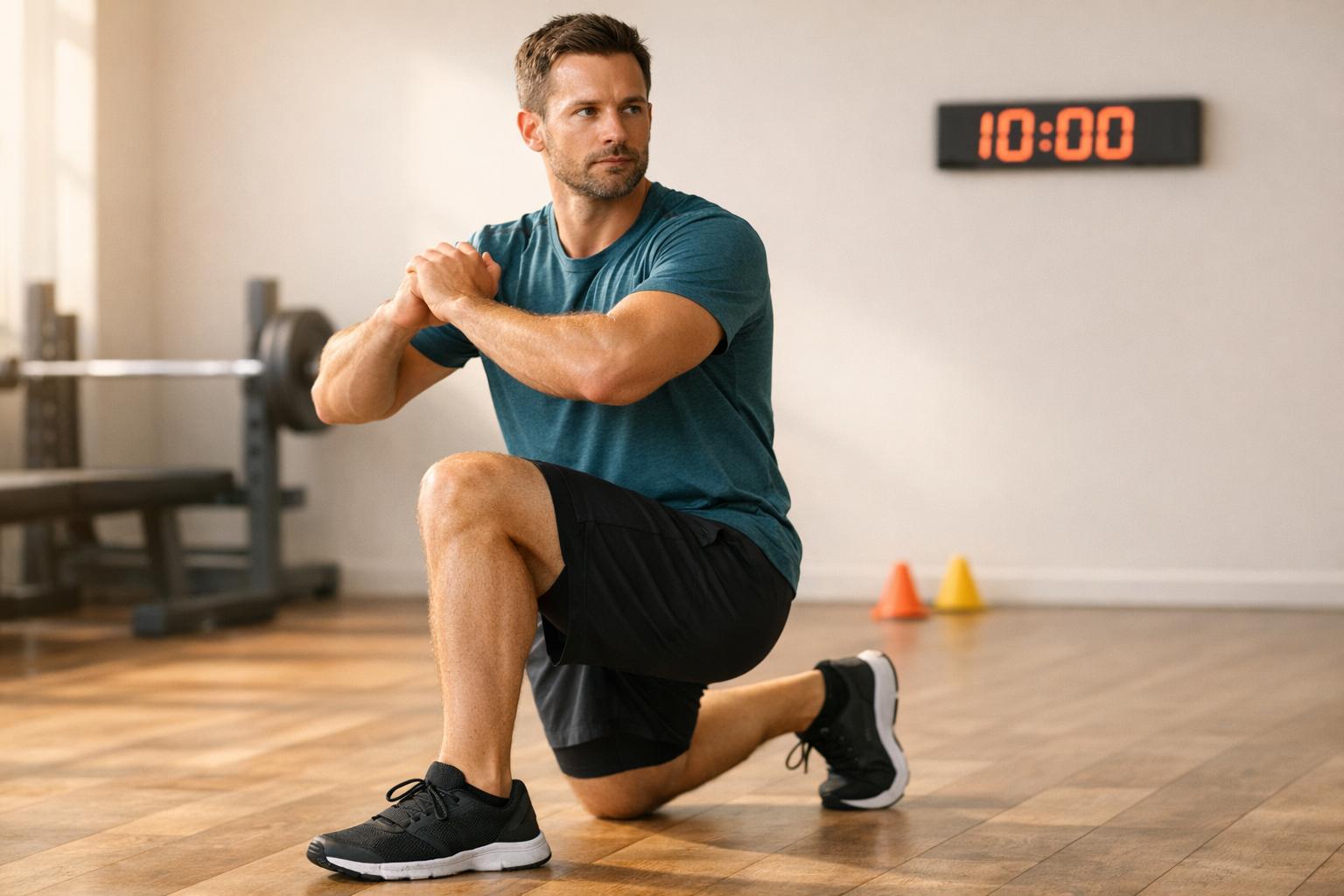
Deadlift Force Analysis with AI Tools
AI uses smartphone video and pose models to estimate deadlift forces, flag form faults, and reduce injury risk with clear, actionable feedback.
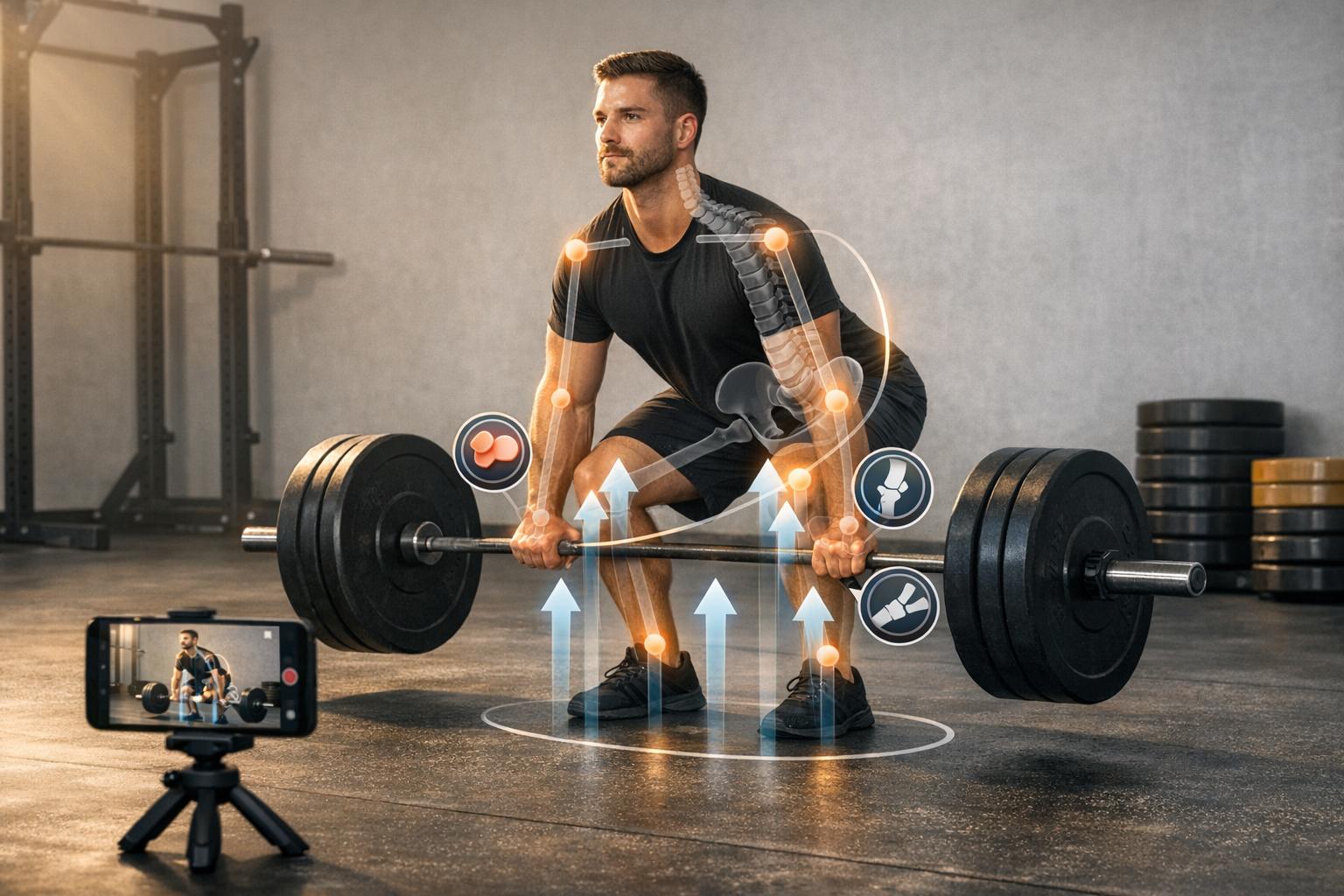
Real-Time Feedback: AI in Powerlifting
AI delivers instant form feedback for squats, bench, and deadlifts—improving technique, speeding barbell velocity, and lowering injury risk.
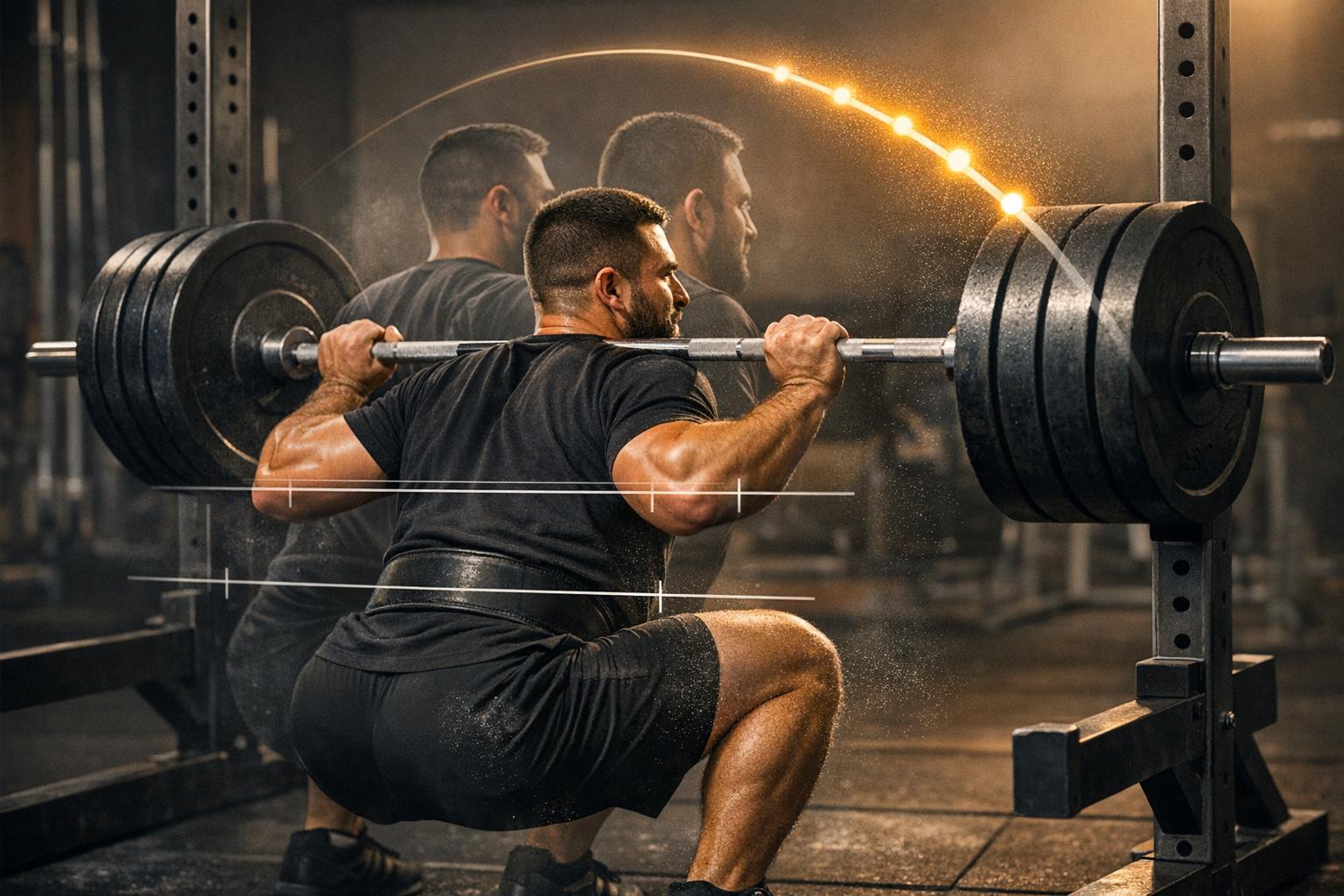
AI vs. Wearables: Best for Strength Training Metrics?
AI video analysis delivers precise form feedback and injury prevention; wearables monitor heart rate, HRV and recovery—combine both for full strength insights.
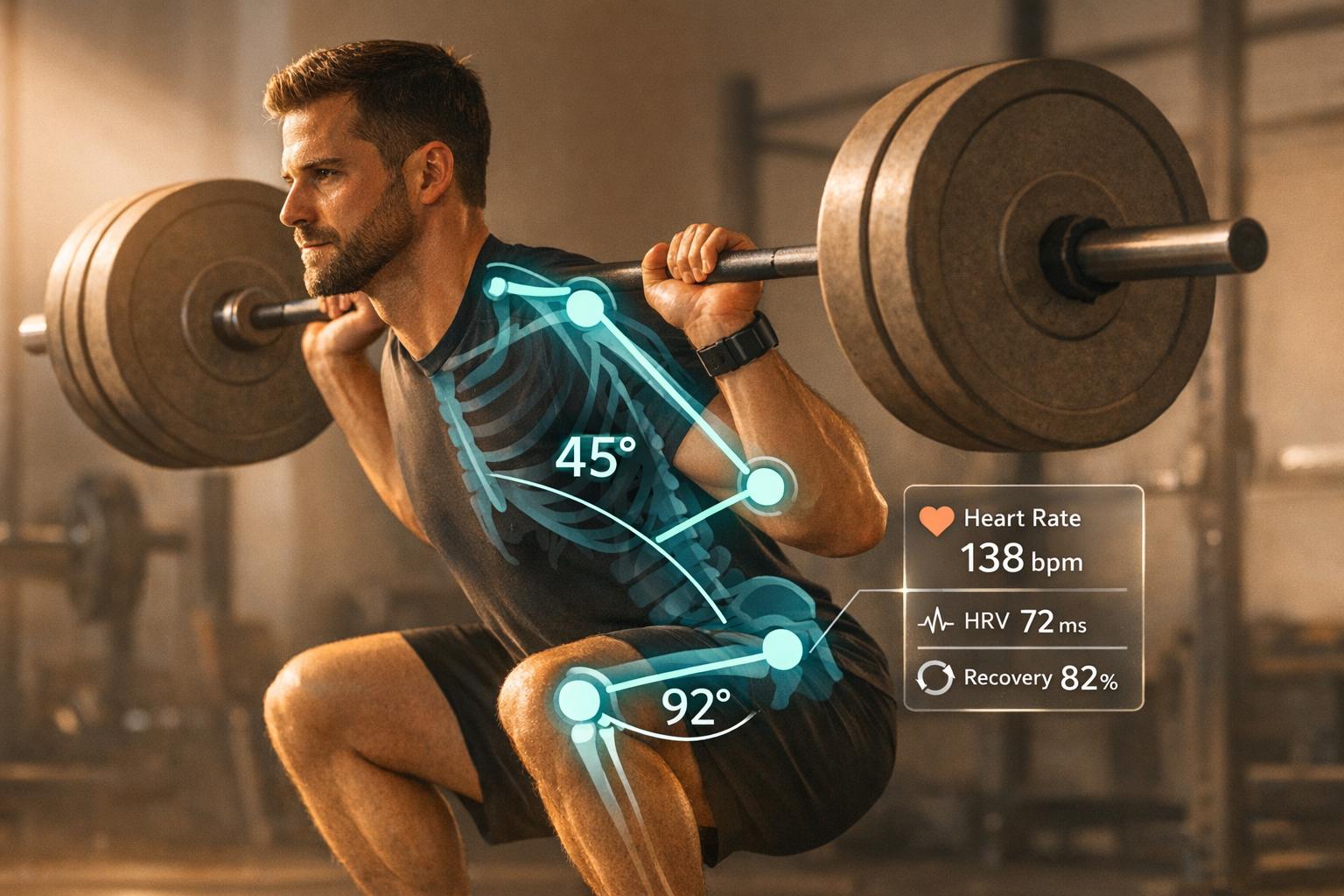
How AI Analyzes Posture in Real Time
Explains how computer vision and pose estimation analyze joint angles in real time to correct workout form, reduce injury risk, and improve performance.
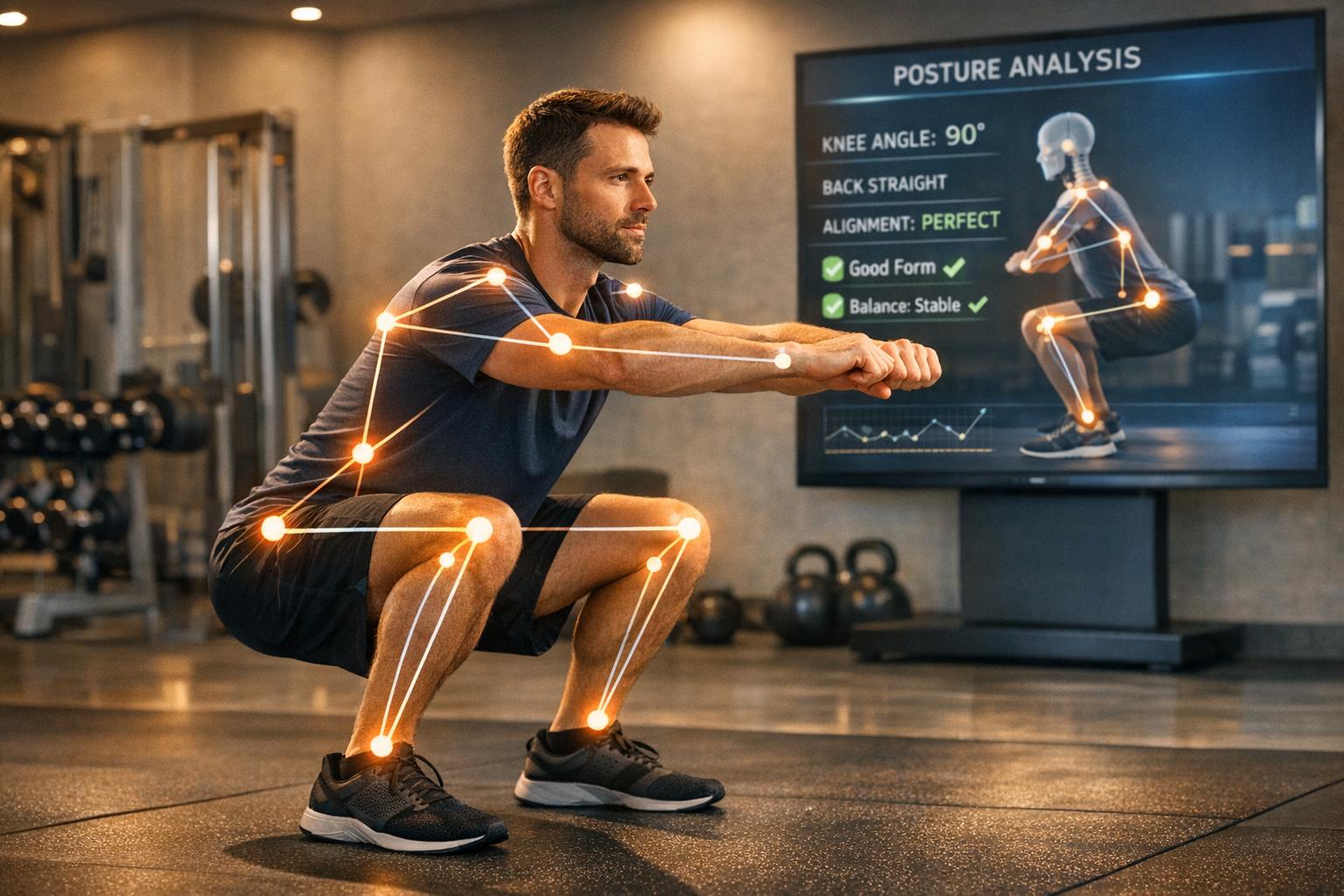
Core Bracing vs. Hollowing: Key Differences
Compare core bracing and hollowing: when to use each, how they engage deep vs. global core muscles, and which suits rehab or heavy lifting.
Science of Warm-Ups: How They Prevent Injuries
Dynamic warm-ups are essential: 10–20 minutes of targeted cardio, mobility, activation, and progressive lift sets cut injury risk and boost performance.
Real-Time Fatigue Tracking with AI: How It Works
See how AI uses bar speed, joint tracking and wearables to detect fatigue, protect form, and optimize strength, power, and hypertrophy training.
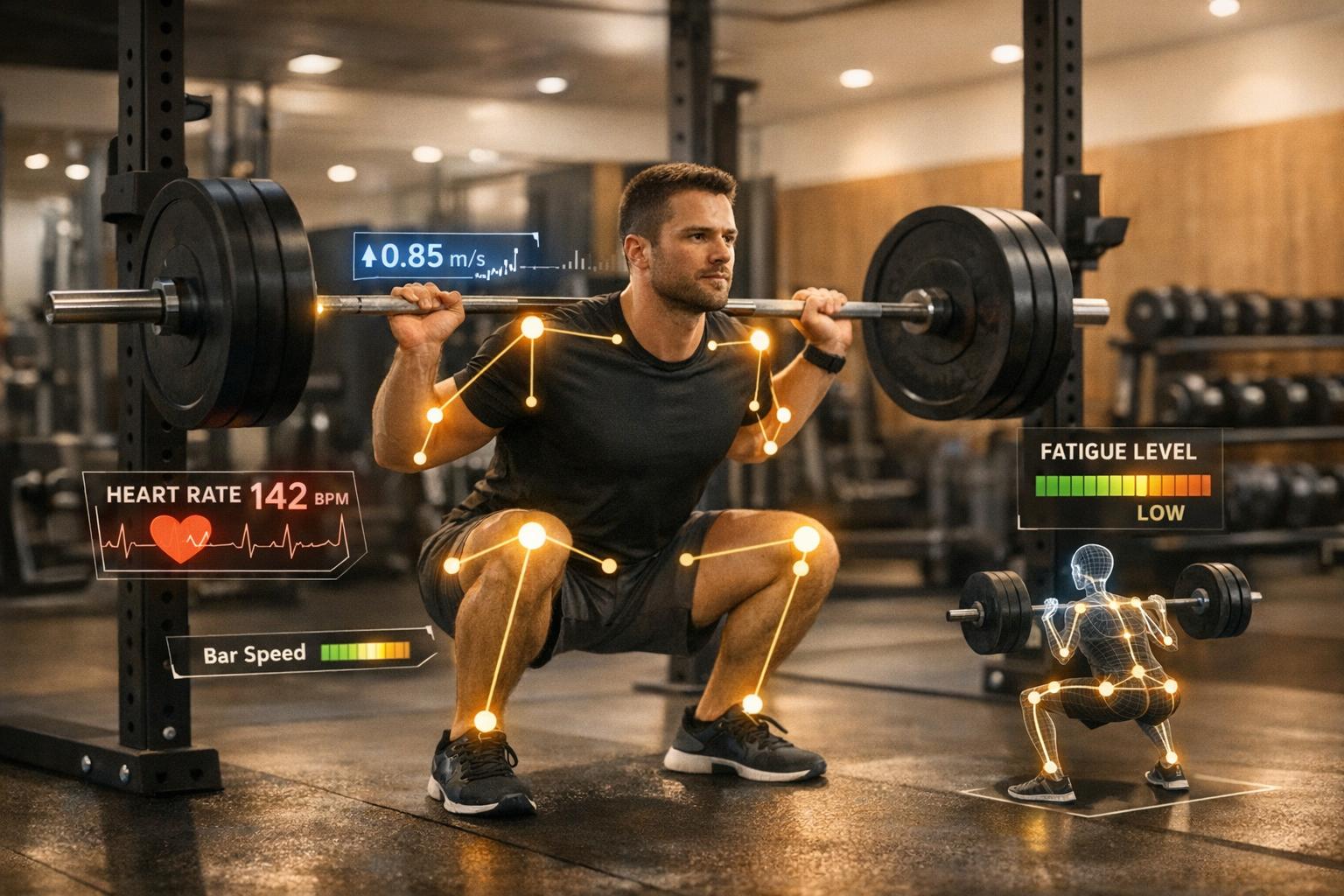
How AI Analyzes Dynamic Stability in Workouts
How smartphone video and AI detect knee valgus, hip wobble, and spinal misalignment, provide tailored form cues, and track stability progress.
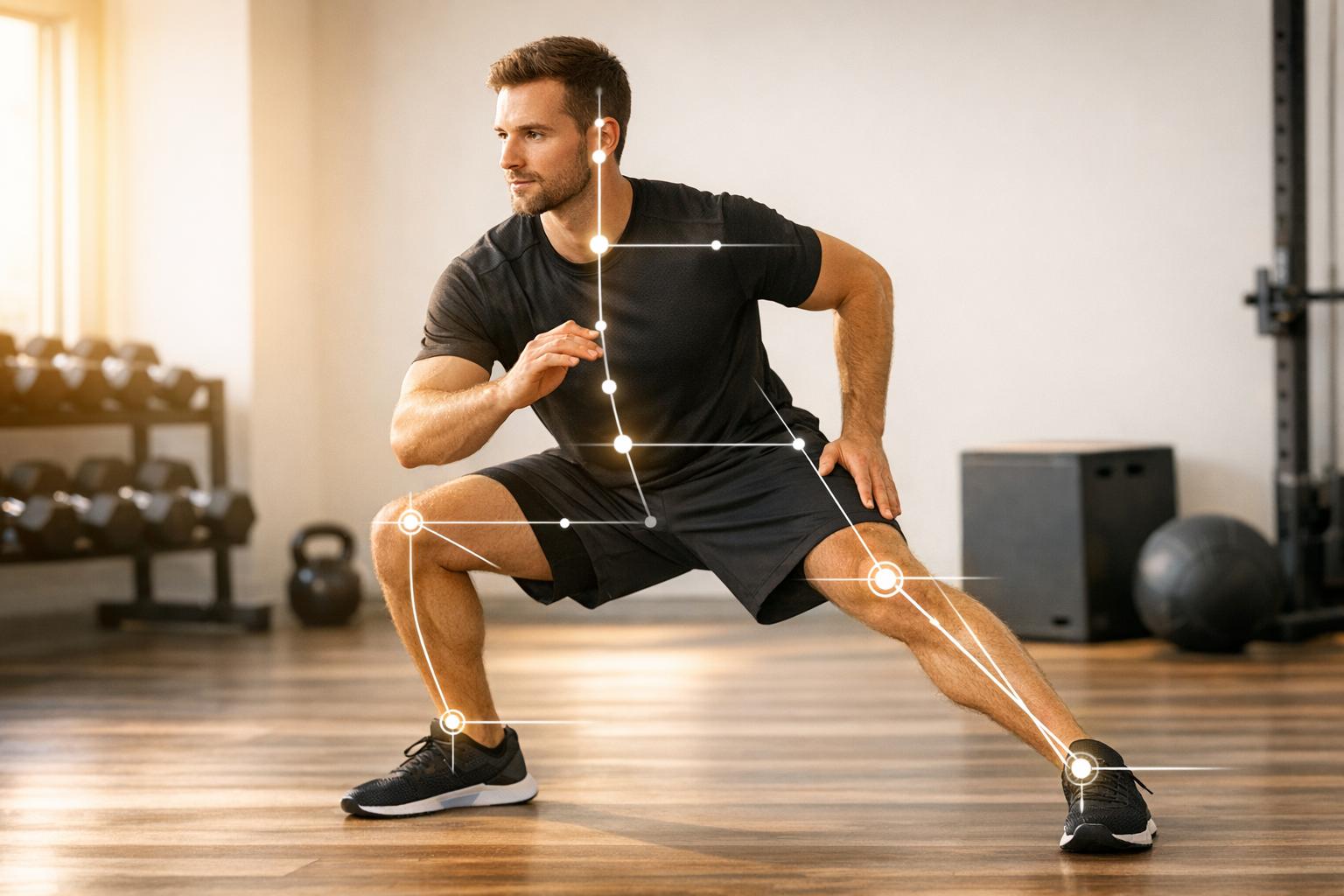
AI in Range of Motion Testing: How It Works
Computer vision turns smartphone video into fast, accurate ROM measurements with real-time feedback and personalized AI coaching for safer strength training.
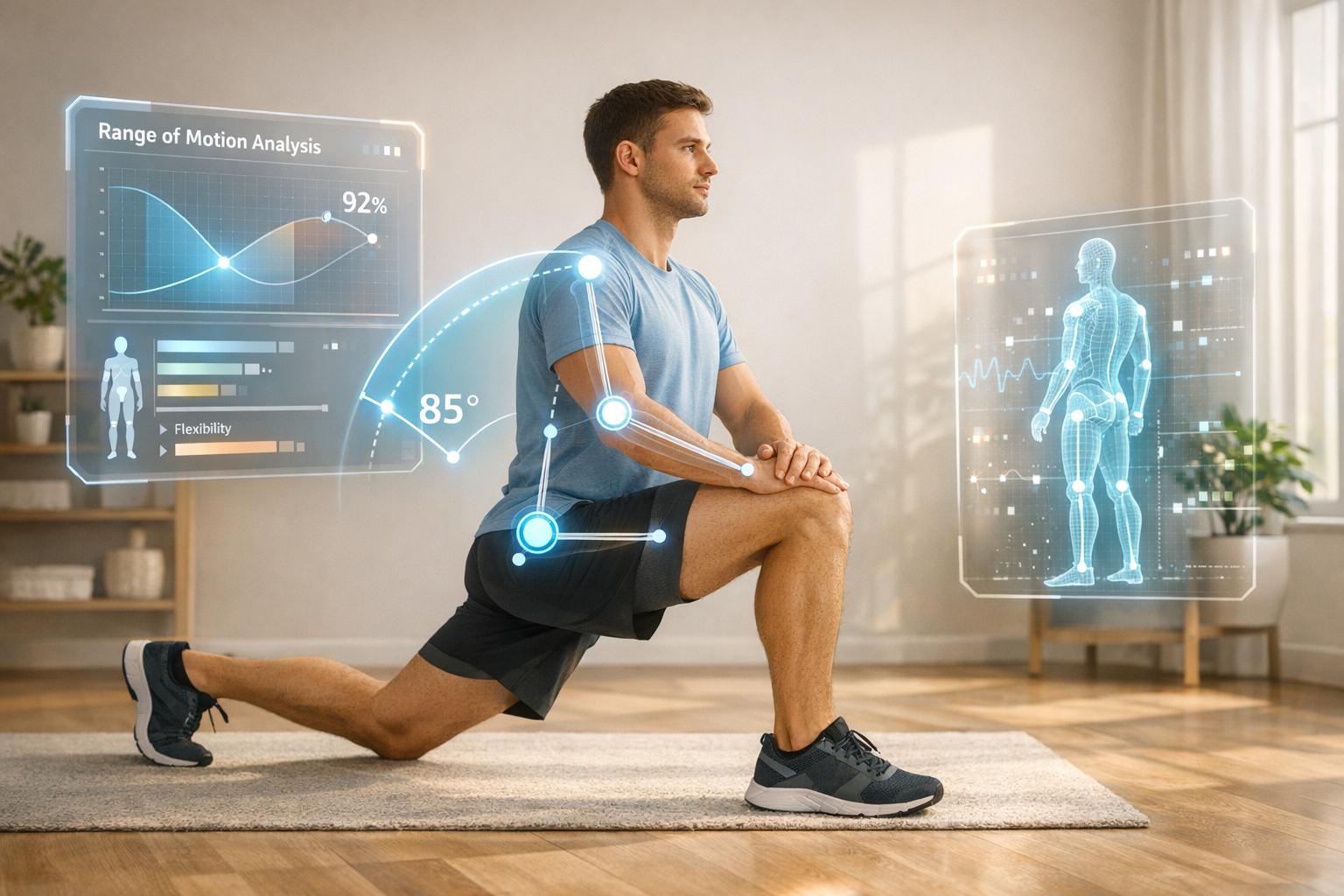
How AI Reduces Joint Stress in Strength Training
How computer-vision AI analyzes squats, bench presses, and deadlifts to correct form, reduce joint stress, and lower injury risk.
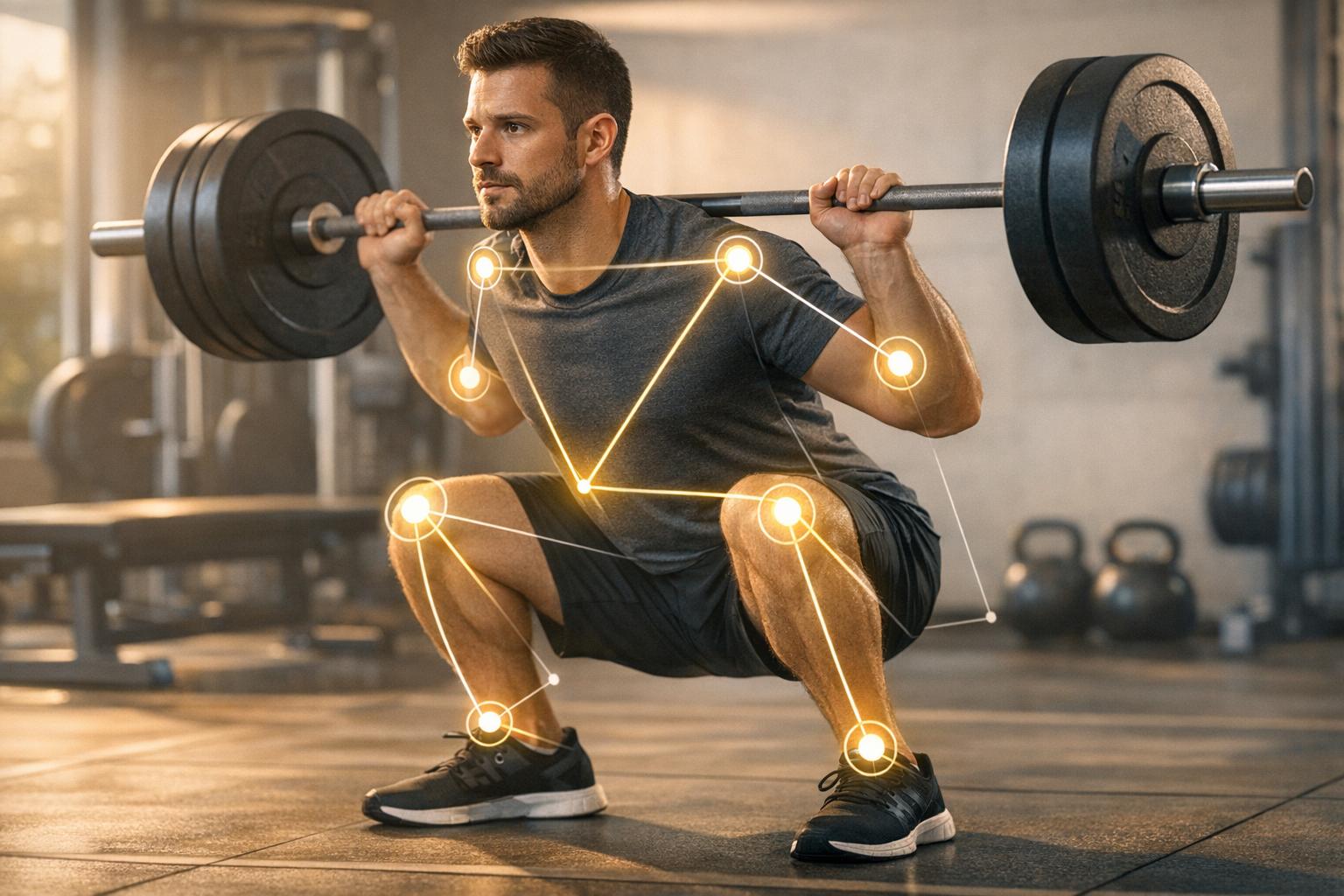
AI Bar Path Analysis: How It Works
Smartphone video plus computer vision turns bar path into instant, personalized coaching to fix technique and reduce injury risk.