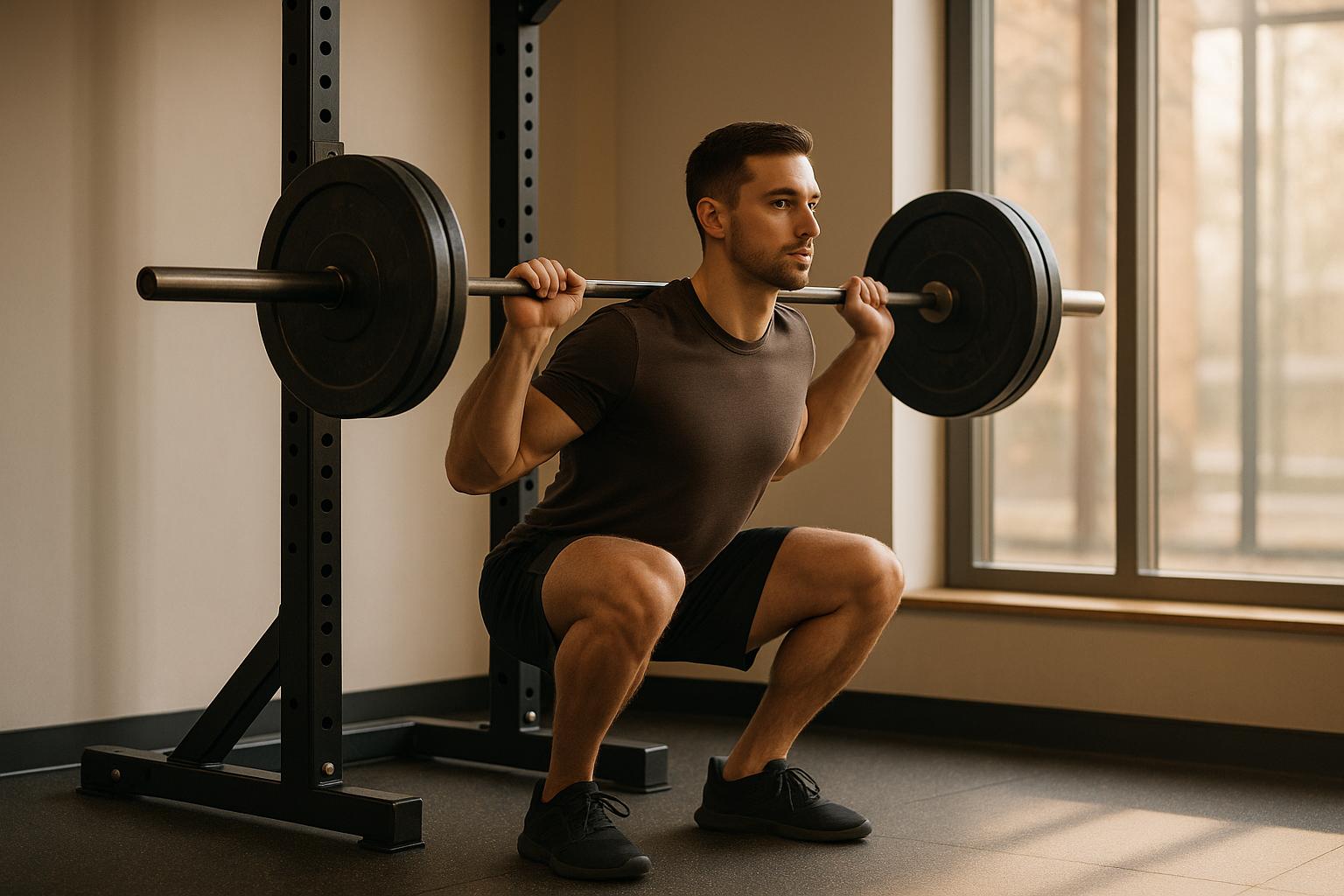
Tag: Fitness
Ultimate Guide to Fitness App Gamification
Gamification turns fitness apps into habit-forming tools by using badges, streaks, points, and AI feedback to boost activity and retention.
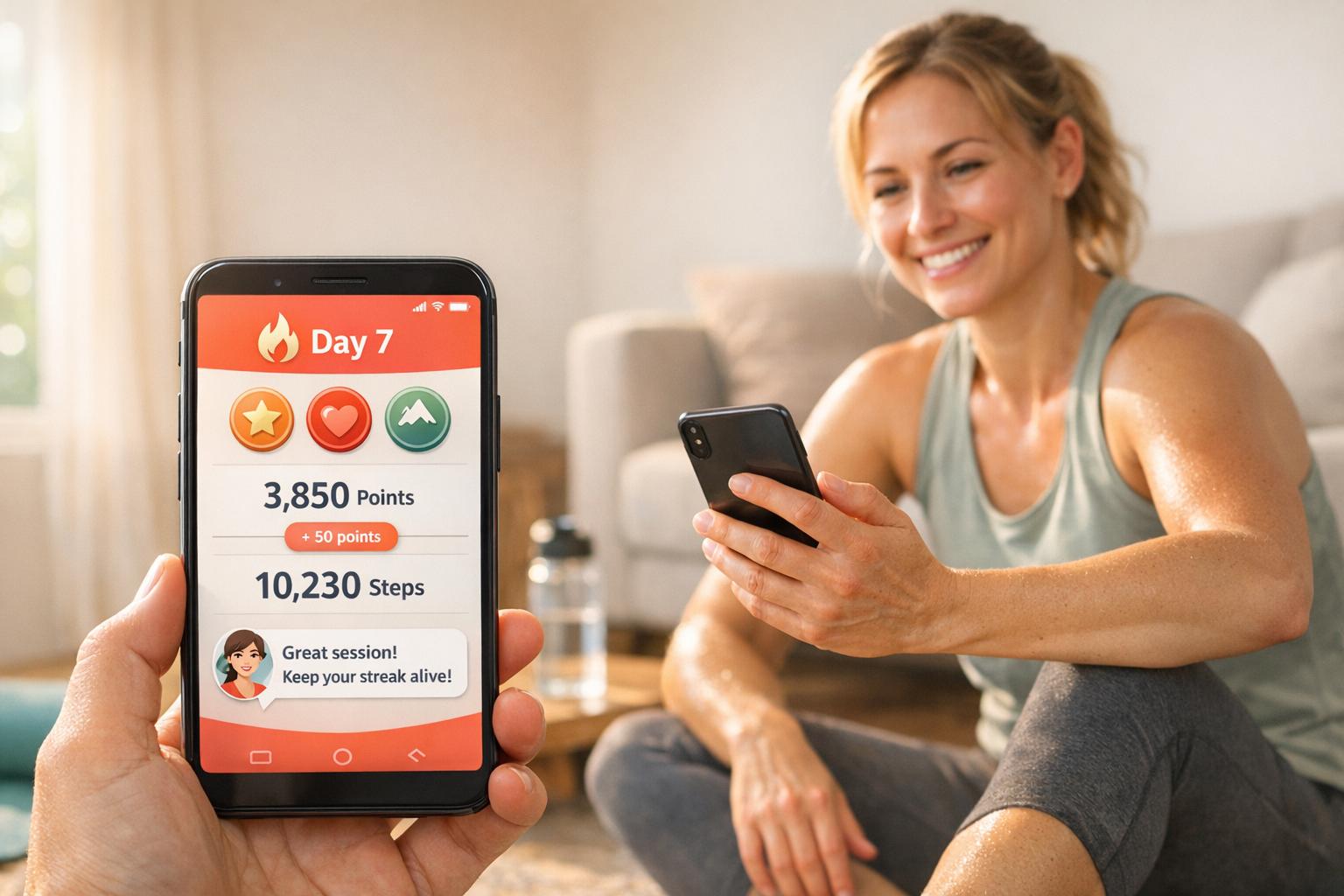
5 Benefits of AI-Powered Workout Plans
Personalized, adaptive AI workout plans adjust workouts, correct form, reduce injury risk, and boost adherence and results.
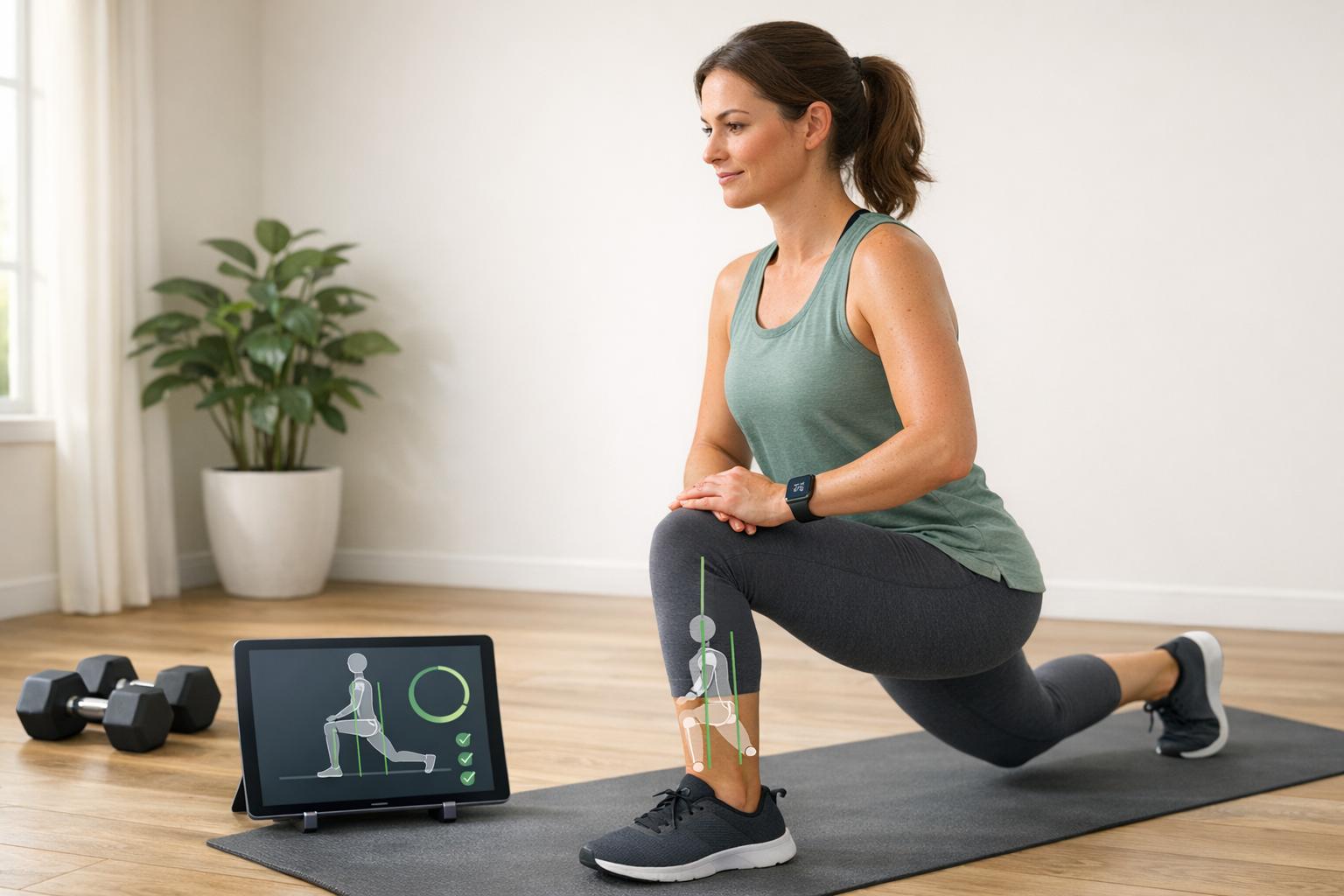
HRV Monitoring for Squat, Bench, and Deadlift
Use morning HRV to auto-adjust intensity for squats, bench, and deadlifts—push on high-readiness, taper or rest on low HRV.
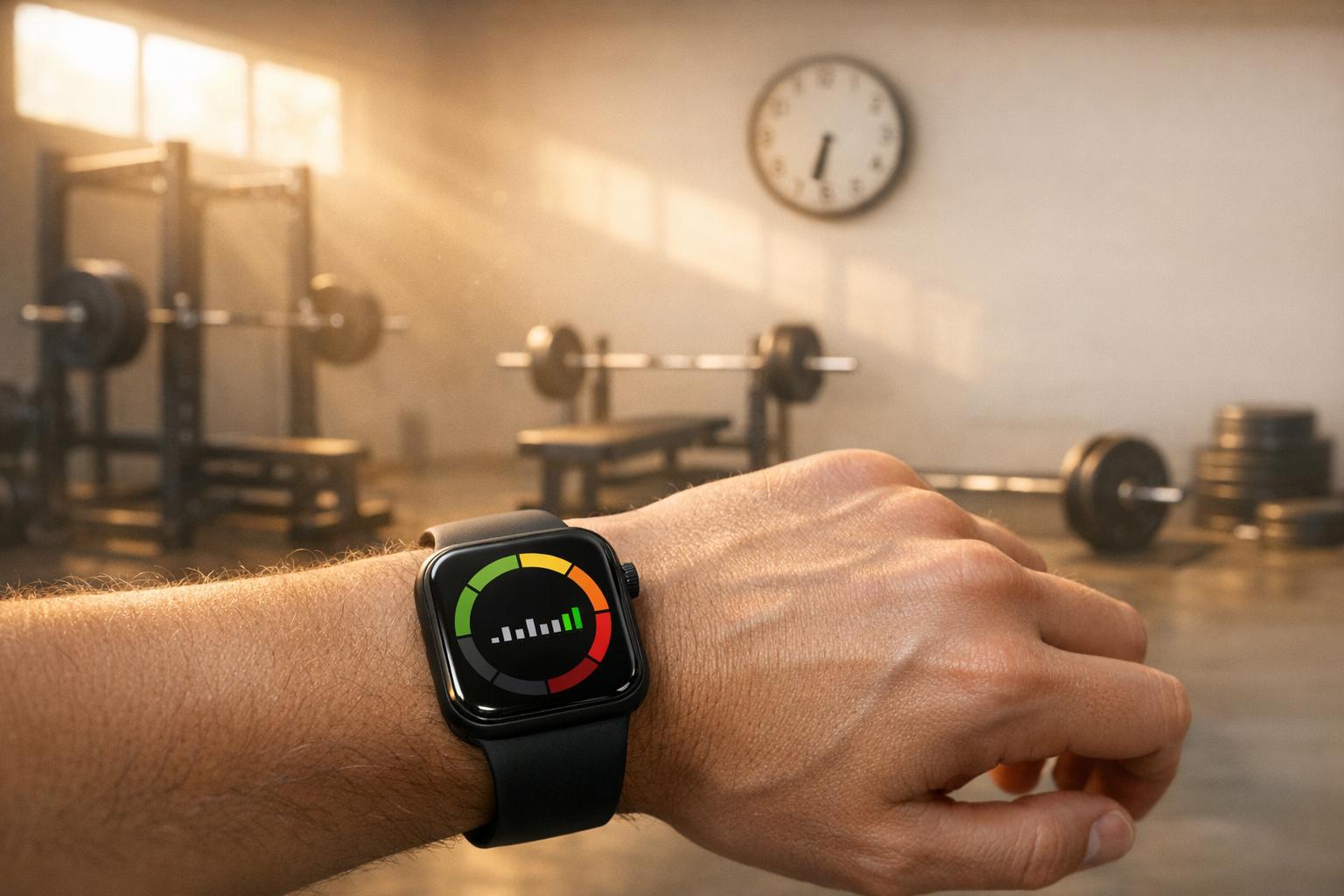
How AI Tracks Form to Prevent Injuries
Smartphone AI analyzes lifting form, flags risky mechanics, gives personalized cues, and lowers injury risk while boosting gains.
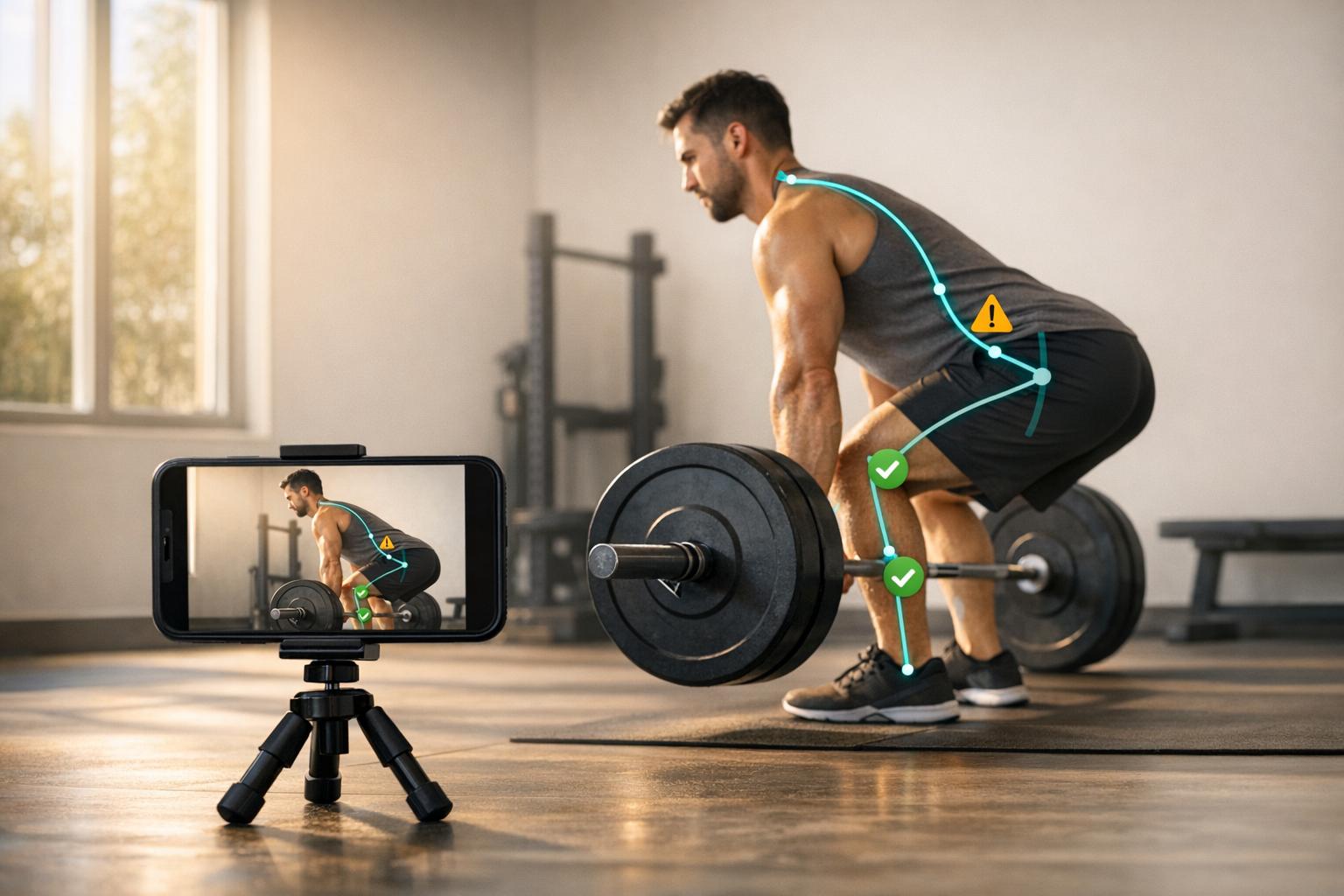
Joint Adaptation in Progressive Overload: What Science Says
How joints, tendons, and the nervous system adapt to progressive overload—and safe ways to increase weight or reps.
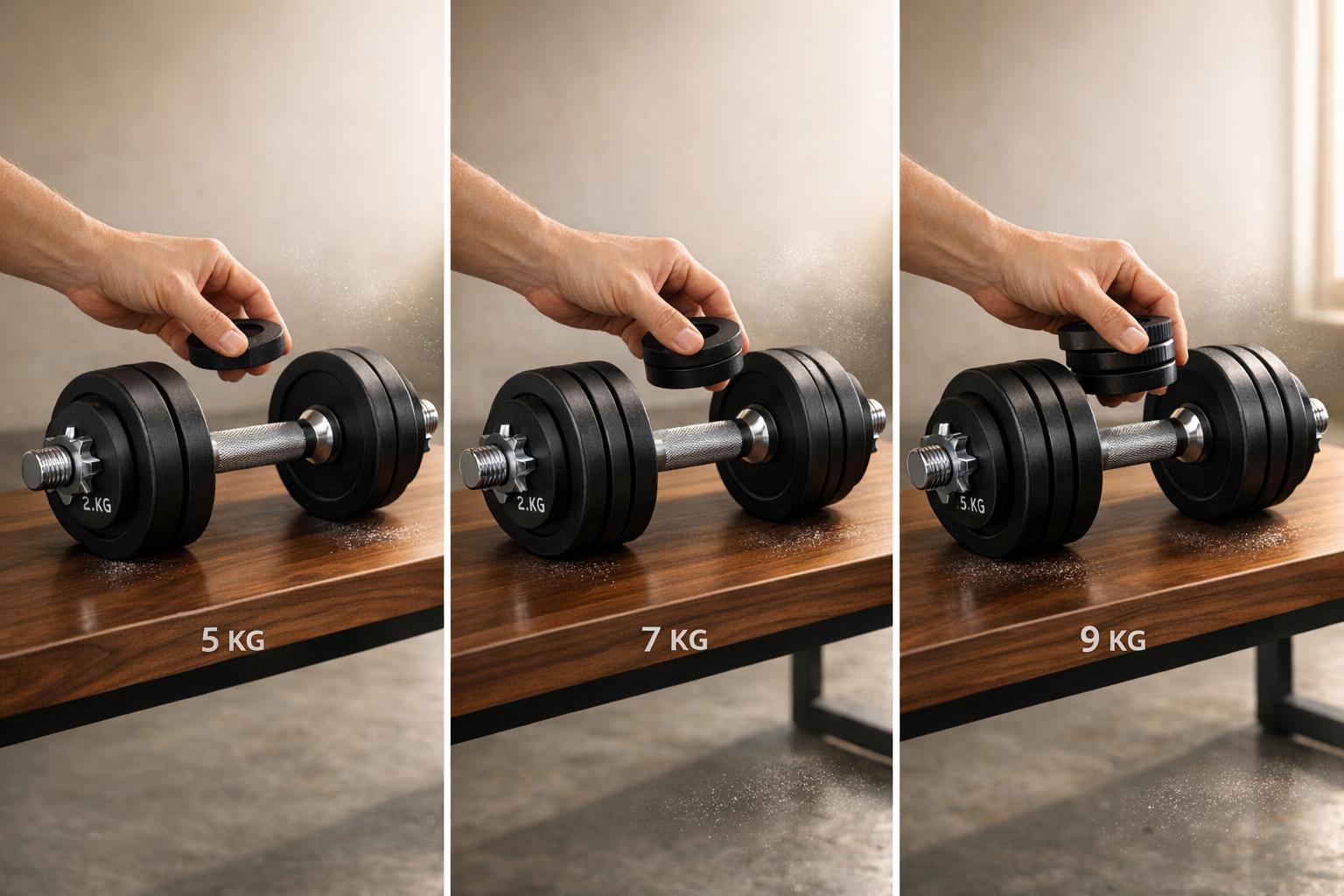
Research: Warm-Ups Reduce Joint Injuries
Dynamic warm-ups cut ACL and knee injuries, boost mobility and neuromuscular control with 8–12 minute routines and ramp-up sets.
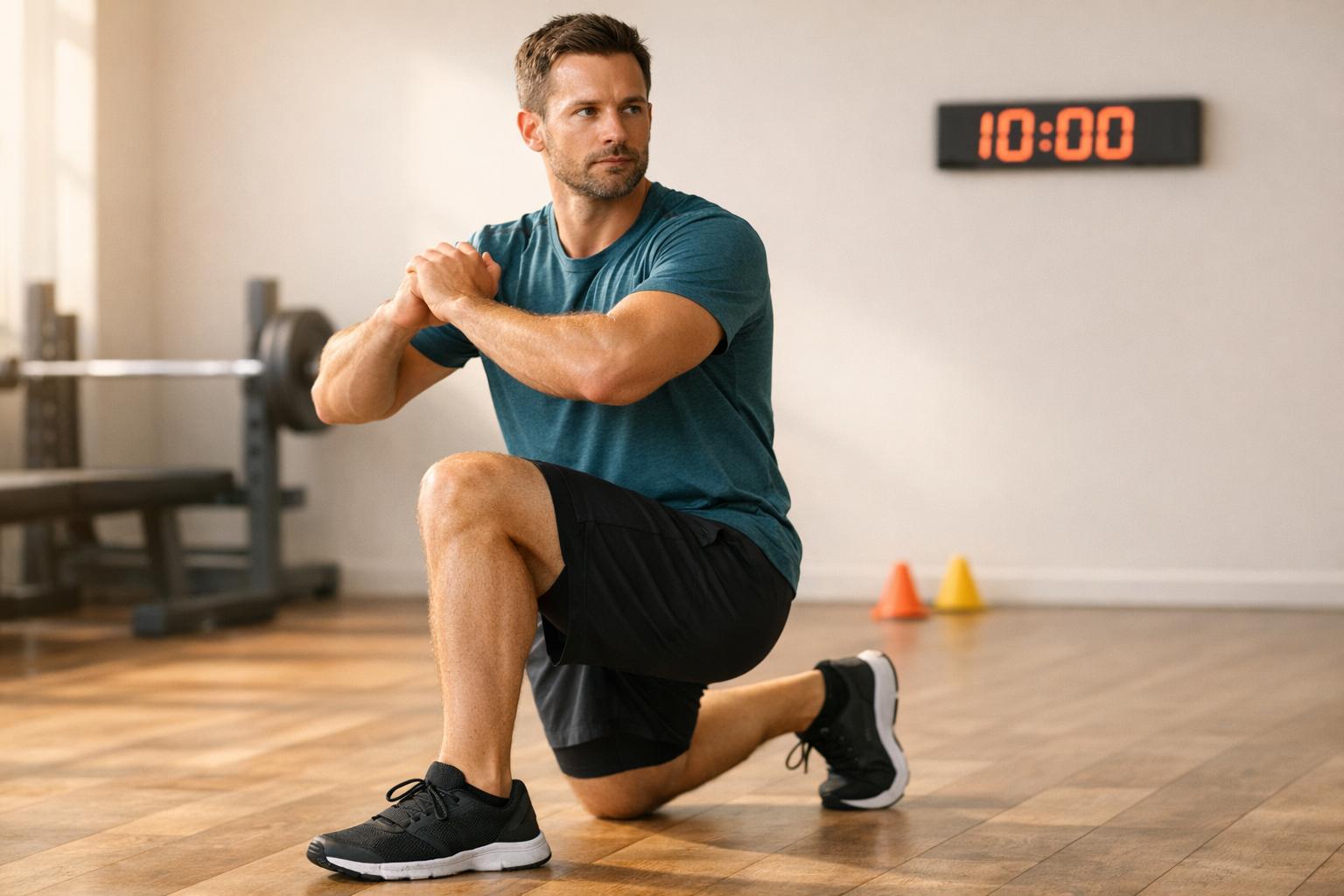
Real-Time Feedback: AI in Powerlifting
AI delivers instant form feedback for squats, bench, and deadlifts—improving technique, speeding barbell velocity, and lowering injury risk.
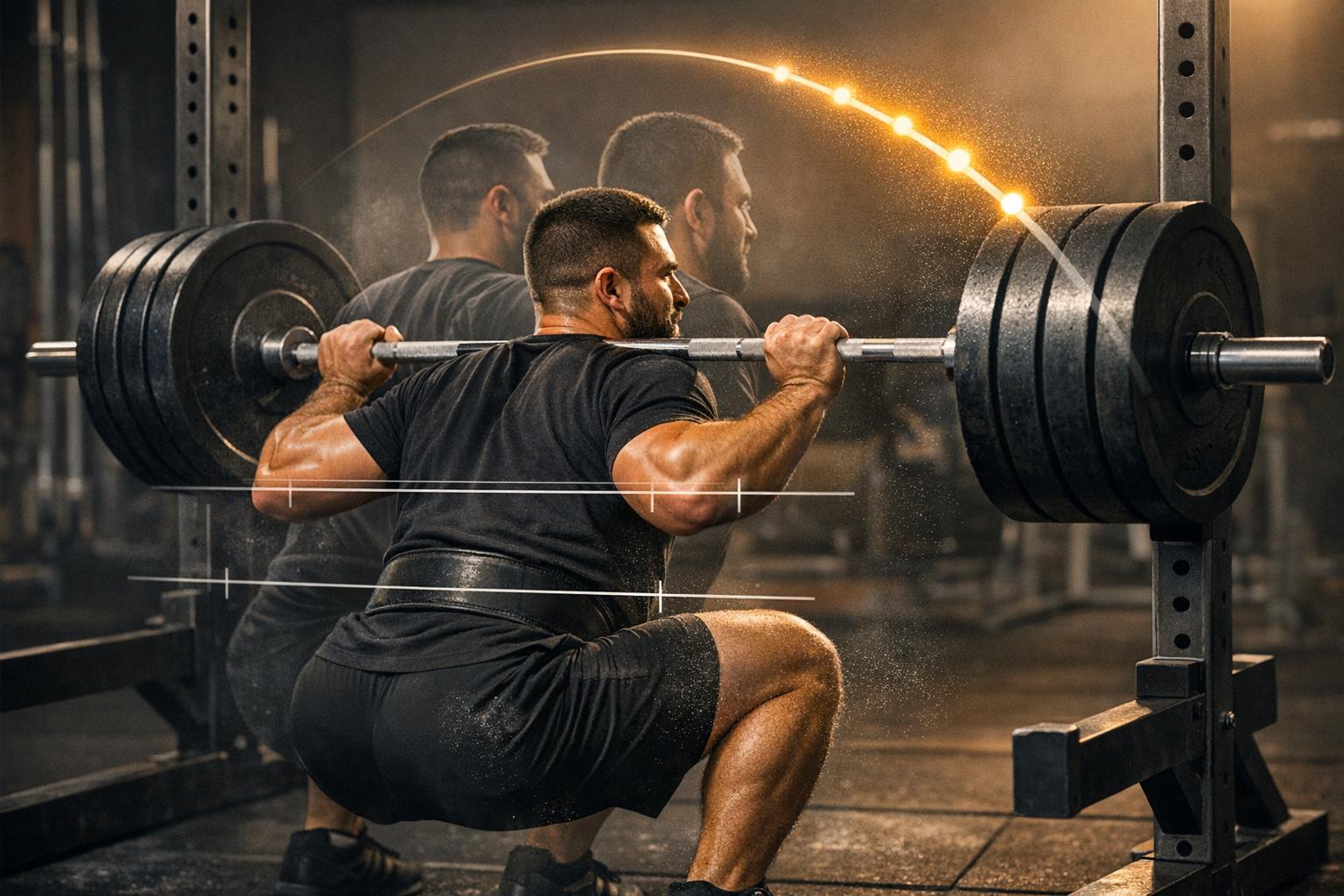
AI vs. Wearables: Best for Strength Training Metrics?
AI video analysis delivers precise form feedback and injury prevention; wearables monitor heart rate, HRV and recovery—combine both for full strength insights.
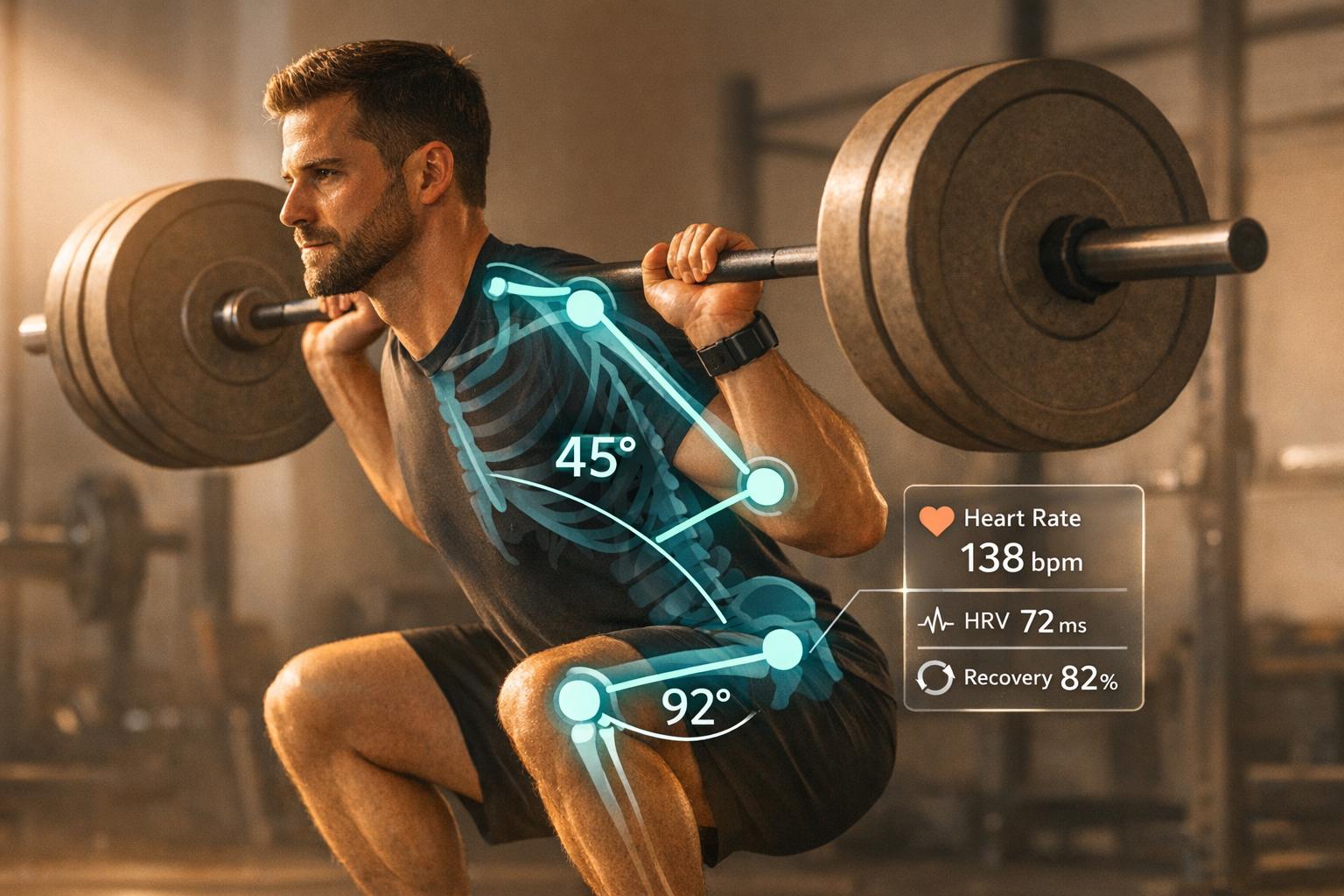
How AI Analyzes Posture in Real Time
Explains how computer vision and pose estimation analyze joint angles in real time to correct workout form, reduce injury risk, and improve performance.
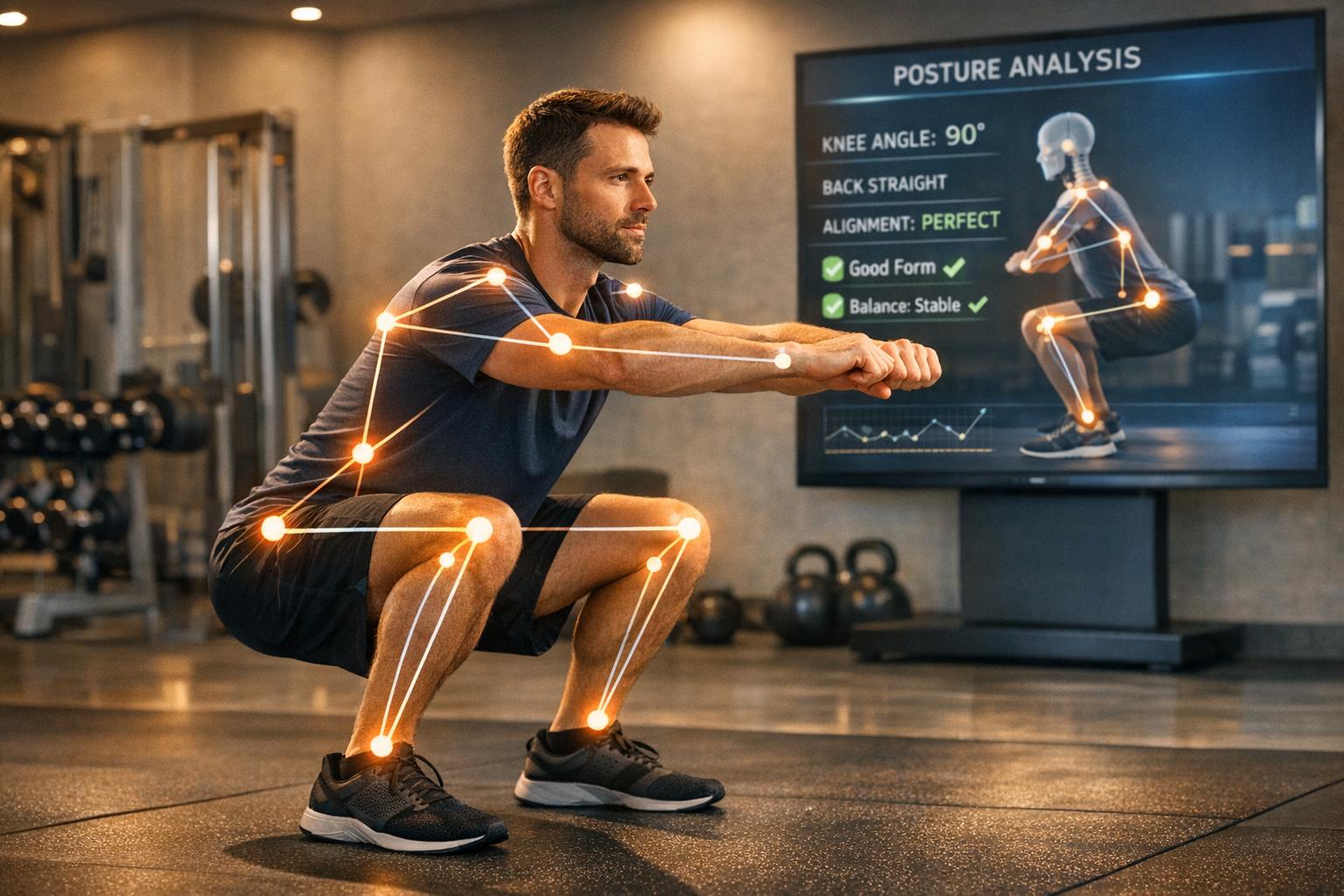
Core Bracing vs. Hollowing: Key Differences
Compare core bracing and hollowing: when to use each, how they engage deep vs. global core muscles, and which suits rehab or heavy lifting.
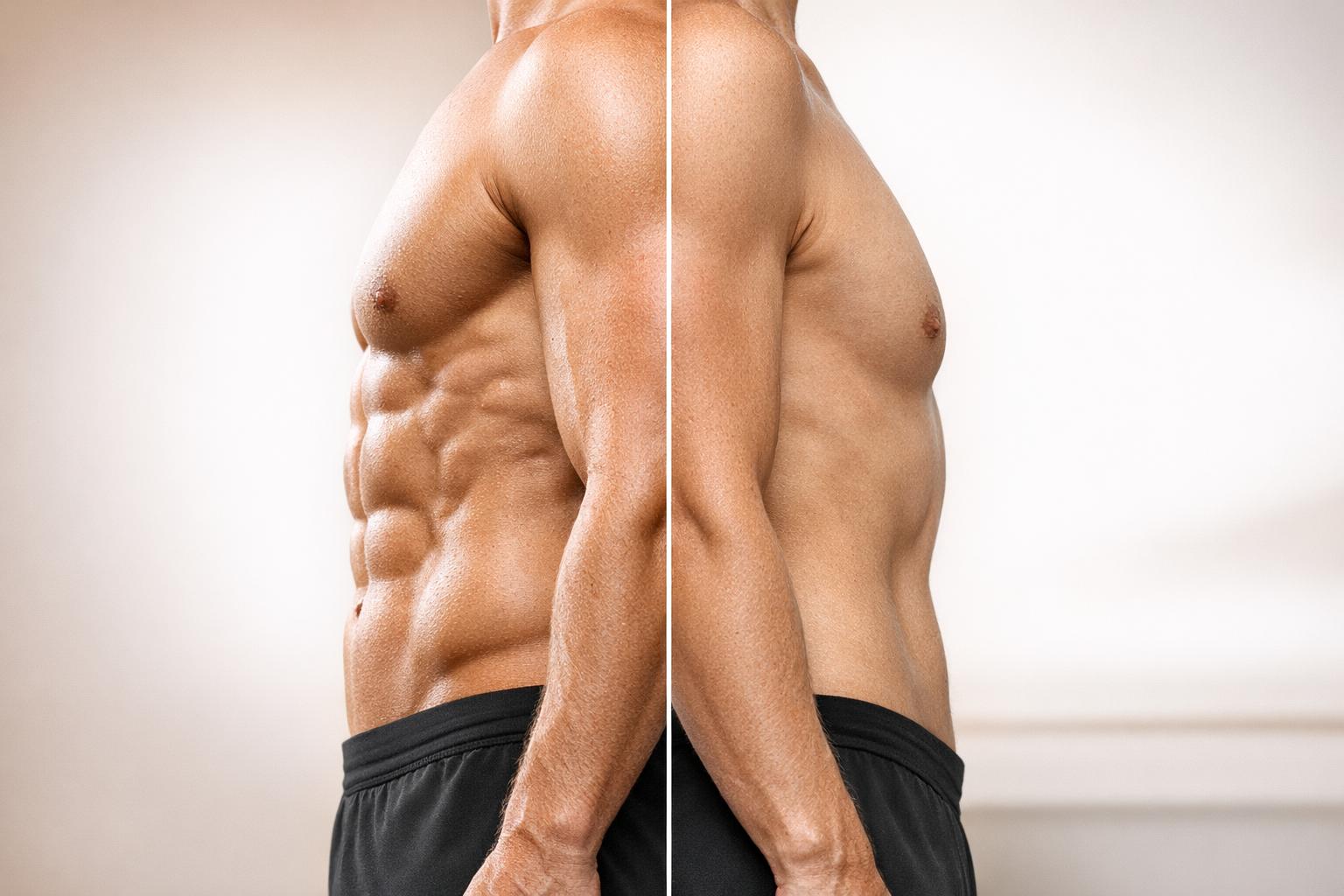
Science of Warm-Ups: How They Prevent Injuries
Dynamic warm-ups are essential: 10–20 minutes of targeted cardio, mobility, activation, and progressive lift sets cut injury risk and boost performance.
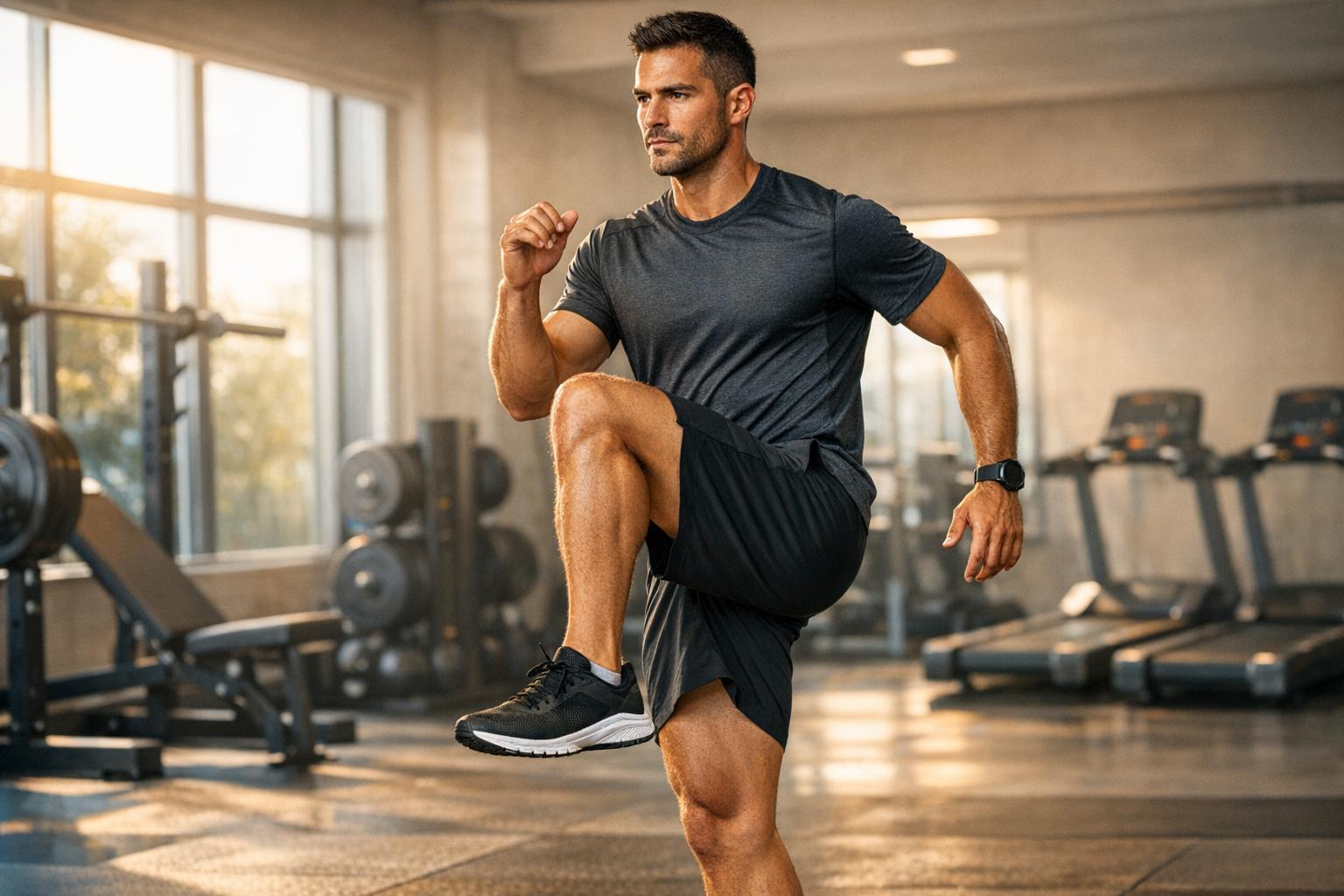
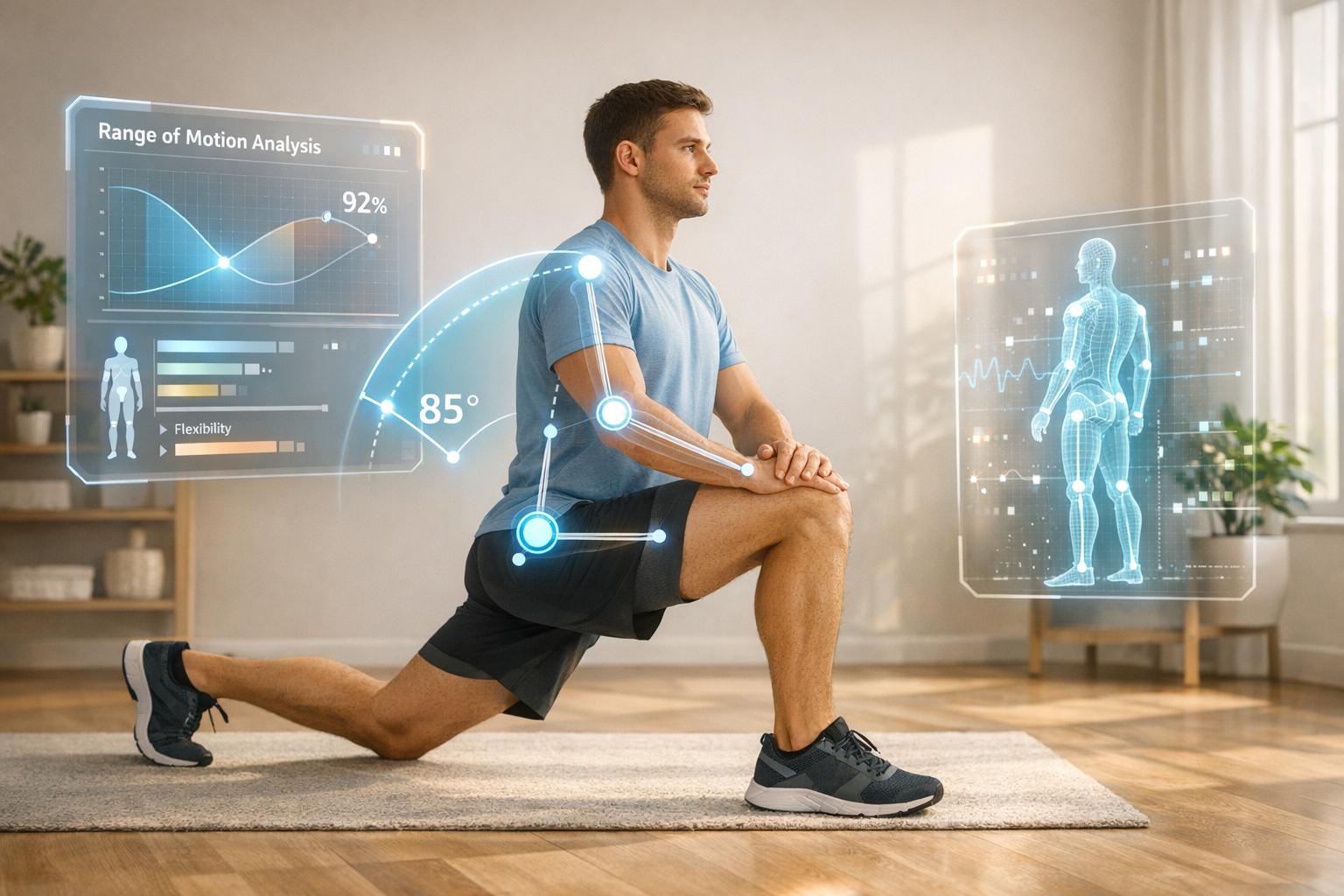
AI in Range of Motion Testing: How It Works
Computer vision turns smartphone video into fast, accurate ROM measurements with real-time feedback and personalized AI coaching for safer strength training.
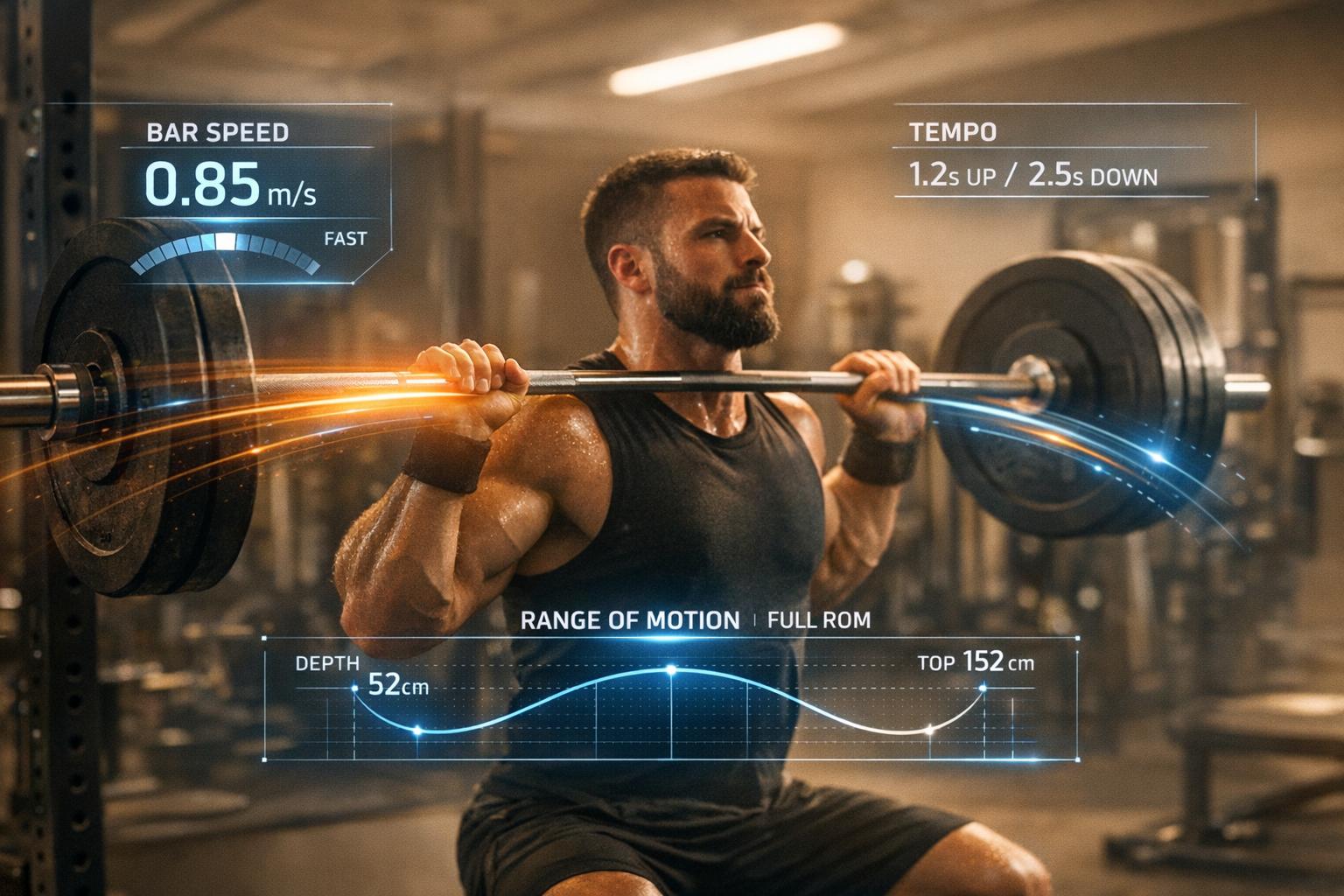
Real-Time Metrics: Bar Speed, Tempo, Range
Monitor bar speed, tempo, and range of motion in real time to autoregulate workouts, track progress, and reduce injury risk with video-based tools.
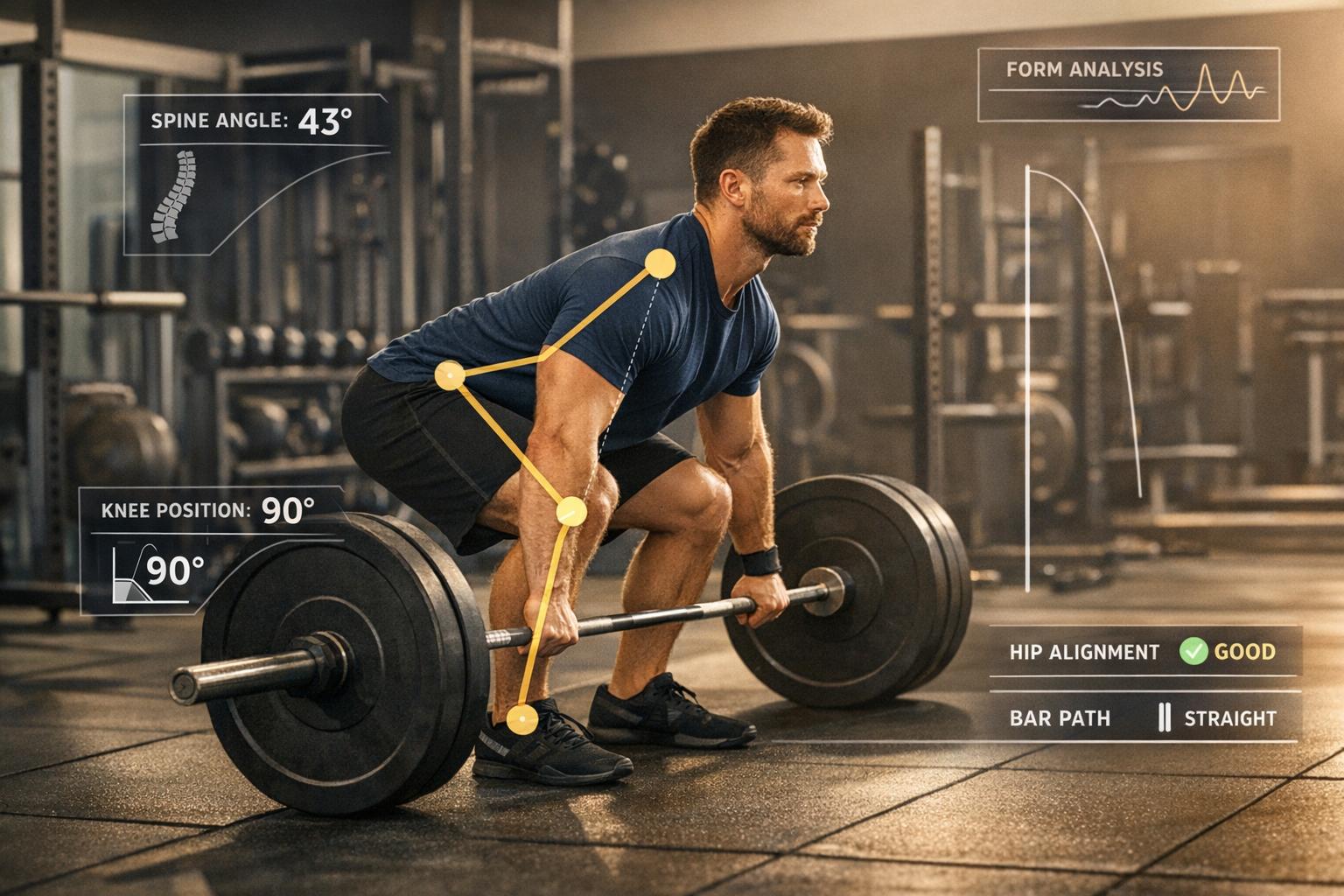
5 best apps for analyzing deadlift form
Compare five apps that analyze deadlift technique — from real-time AI tracking to manual video review — plus pricing and who each app suits.
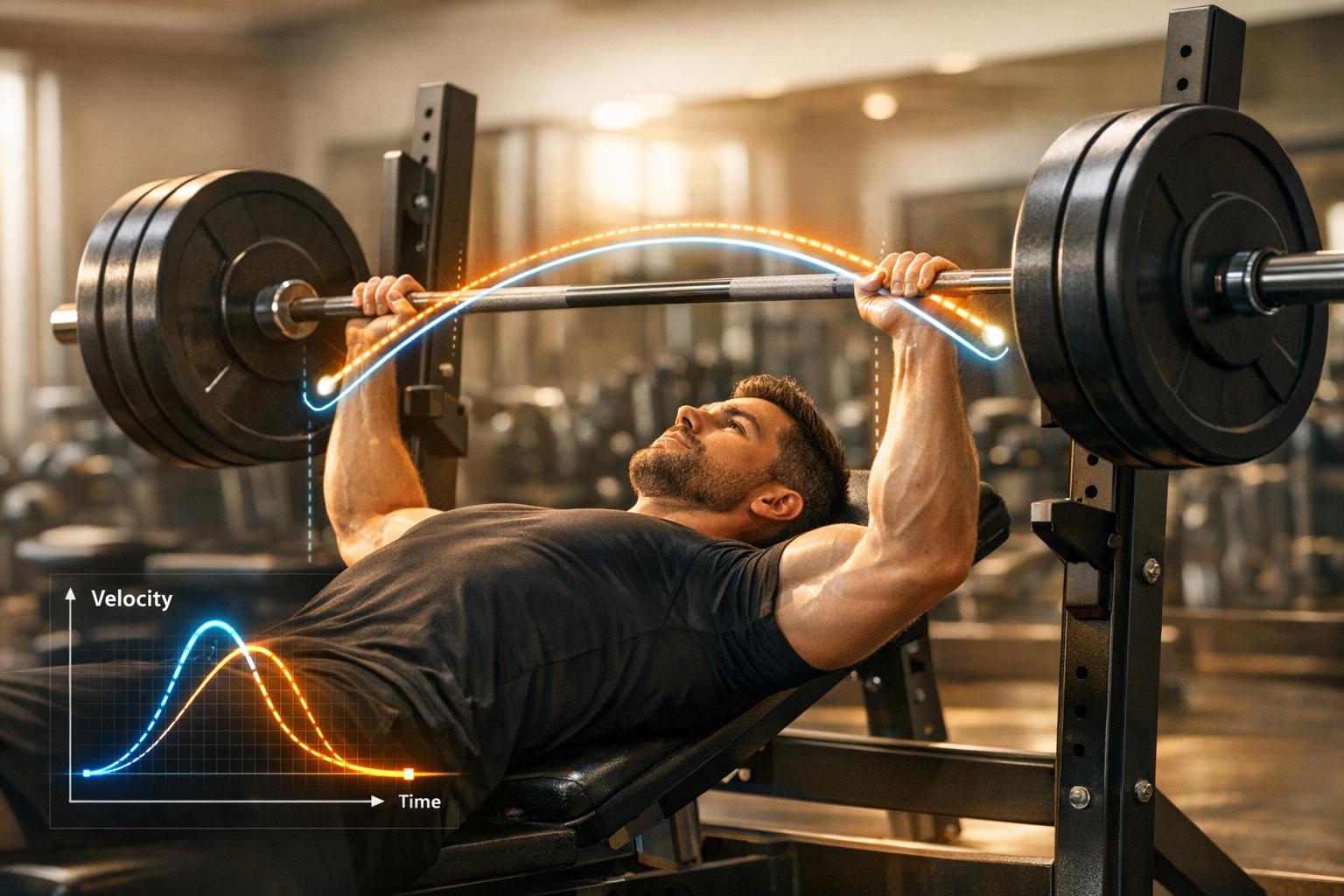
5 Best Bench Press Form Apps: Video Feedback and Bar Tracking
Compare bench press form apps for coaching feedback, slow-motion review and bar tracking. See which tool fits your video, device and training goal.
5 best apps for analyzing squat form
Compare five AI-powered squat apps that use motion tracking and pose estimation to give feedback on depth, alignment, and posture.
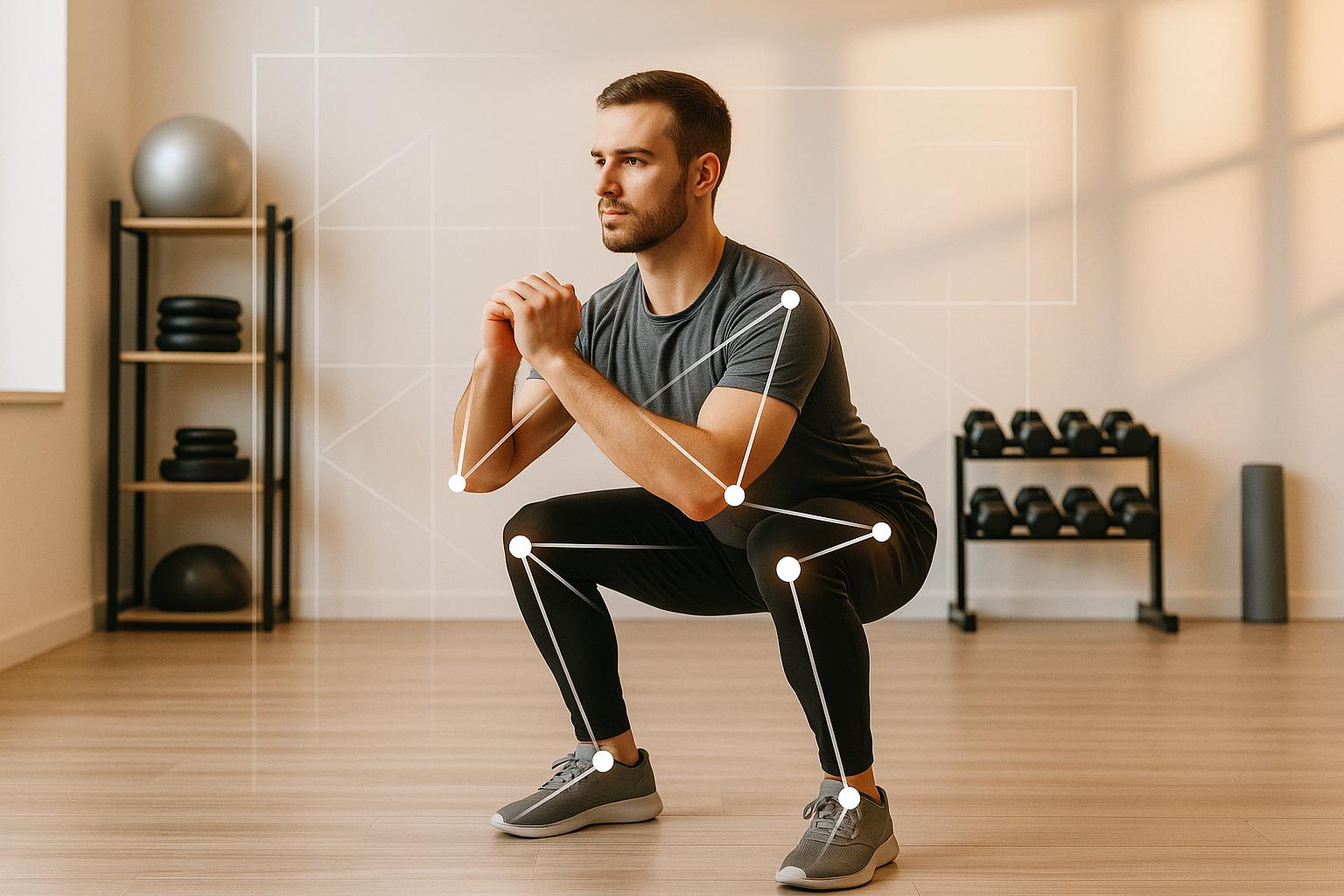
How to Apply Progressive Overload in Strength Training
Practical guidelines for safe, sustainable strength and muscle gains using structured progression.
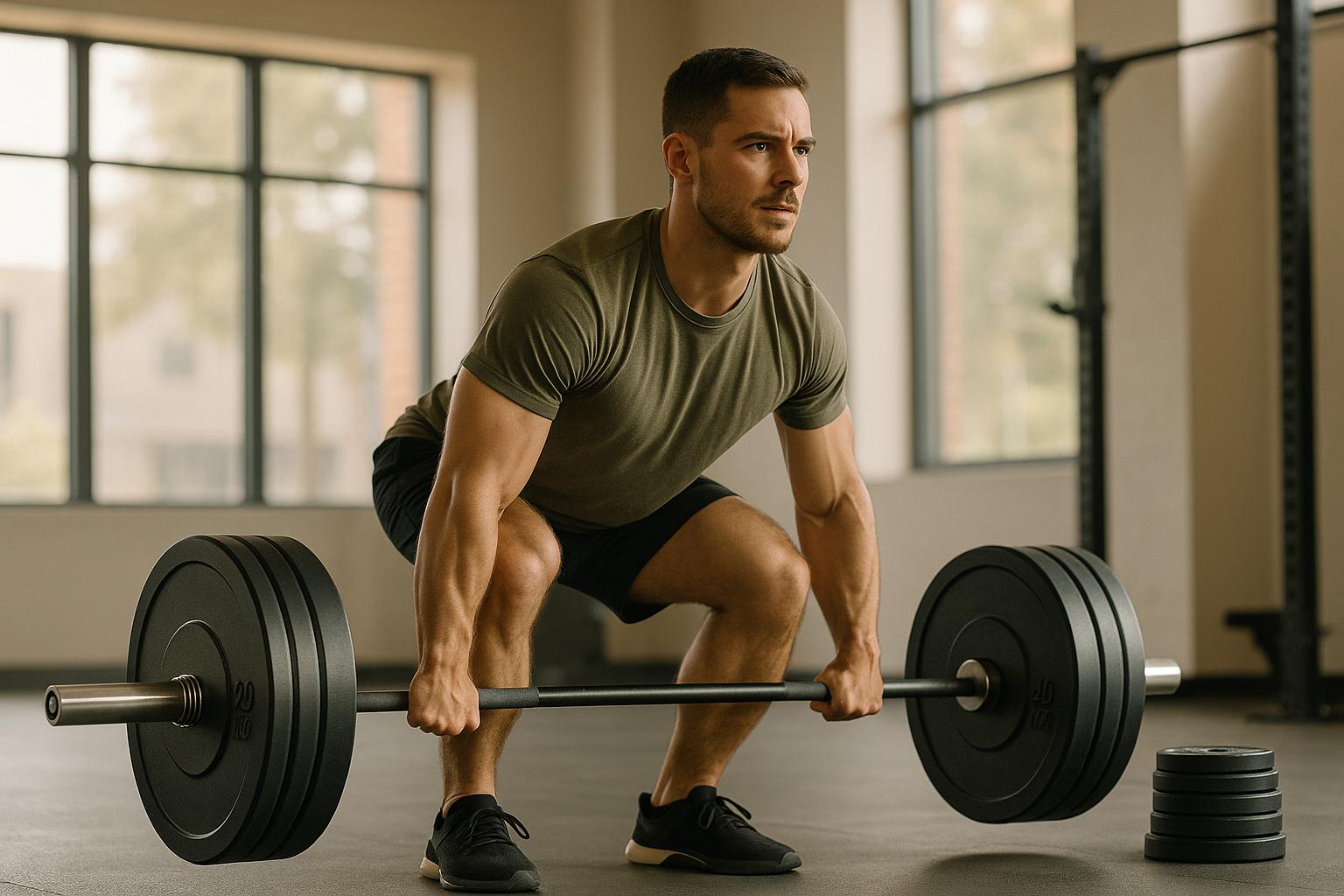
AI Workout Plans: Insights from Recent Studies
Fix your squat with an AI strength training form check app for safer, stronger lifting
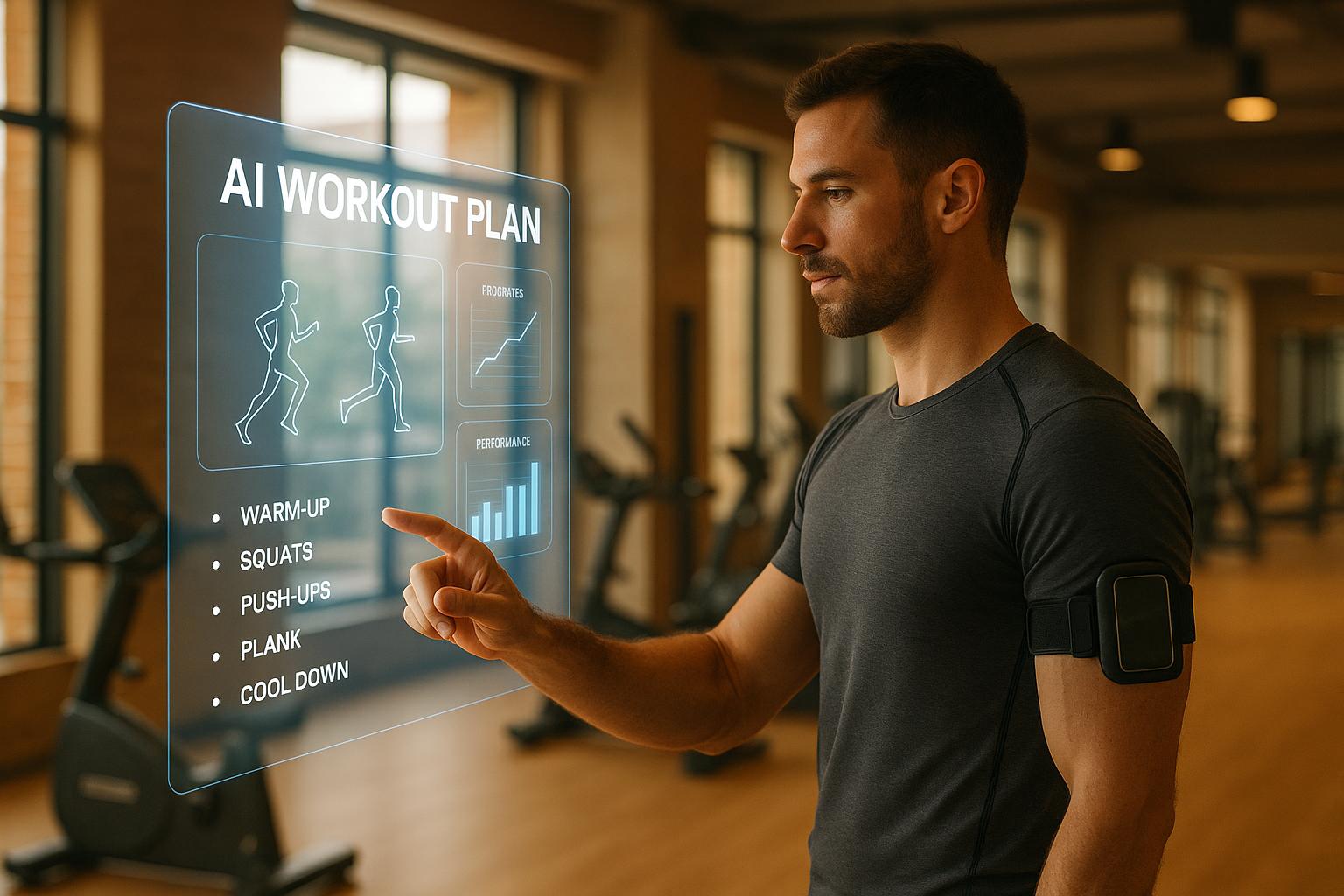
Best Practices for Velocity-Based Training Metrics
Make velocity-based training practical: key metrics, profiles, zones, and AI tools
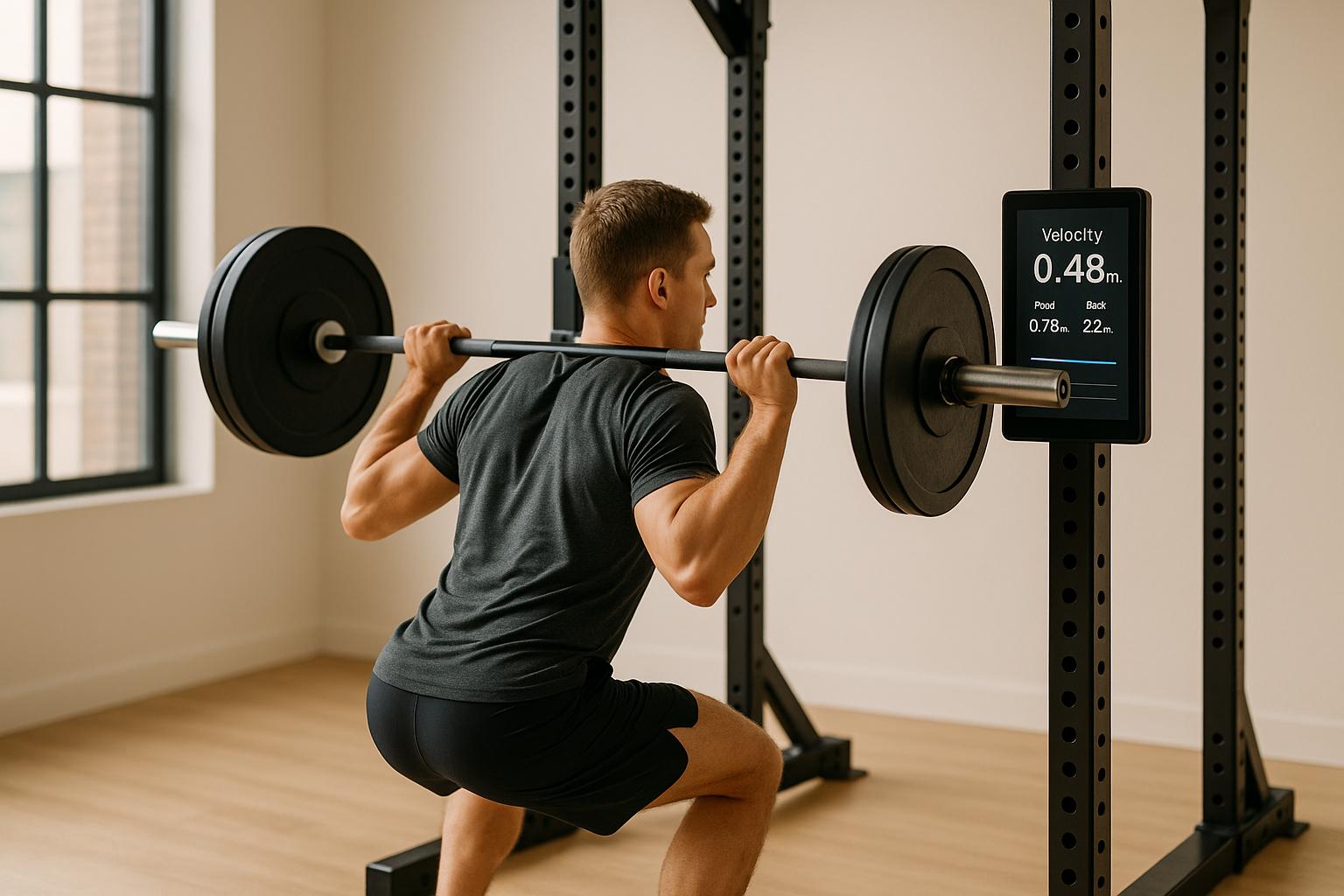
How to Master Tempo in Squats
Master tempo squats with precise timing, better form, and AI feedback