Tag: Fitness
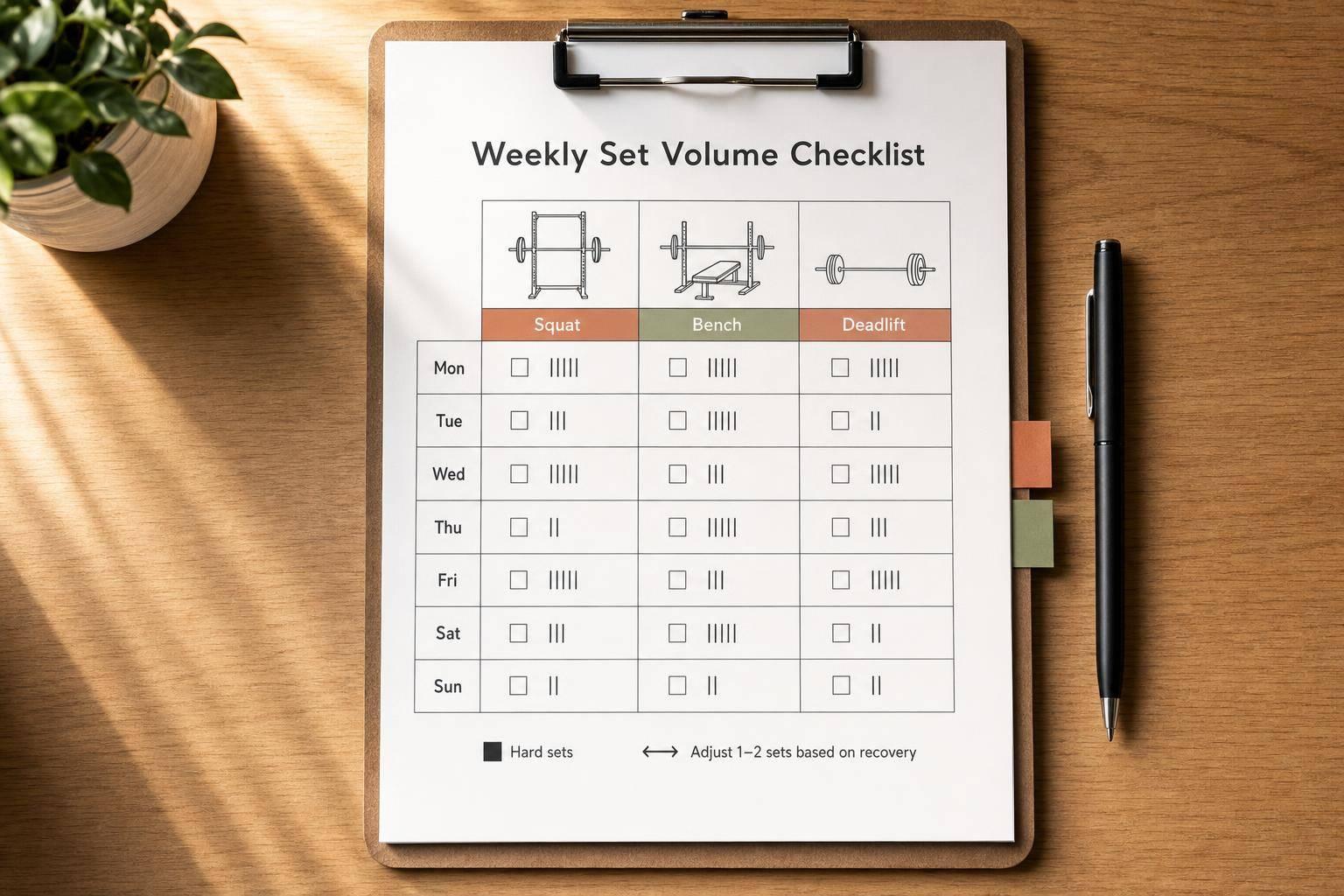
Weekly Set Volume Checklist for 3 Big Lifts
Audit squat, bench, and deadlift by counting hard sets, spreading weekly volume, and adjusting 1–2 sets based on recovery.
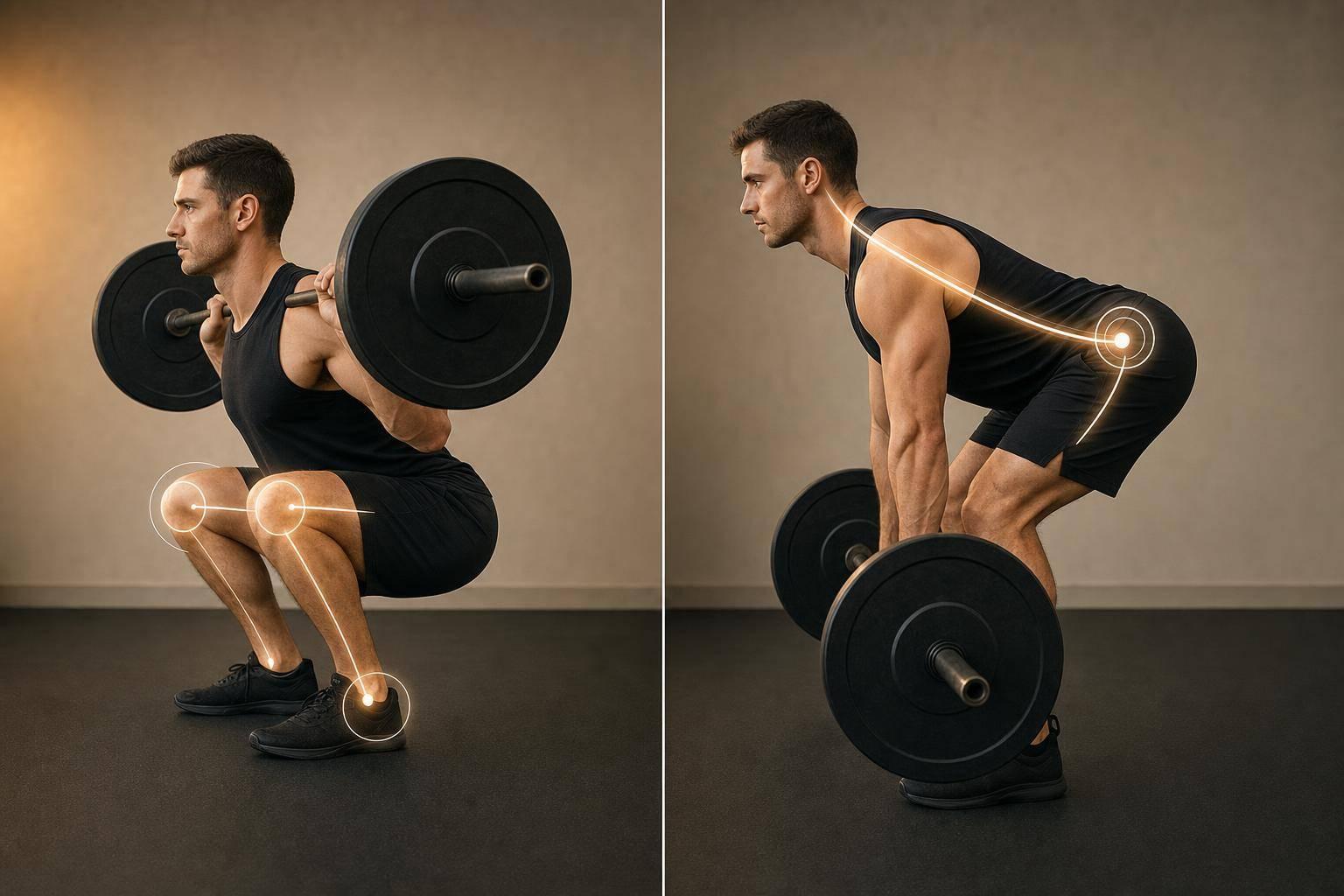
Squat vs Deadlift for Joint Stability
Compare squat and deadlift joint demands: squats target knee/ankle control while deadlifts emphasize hip and trunk stability.
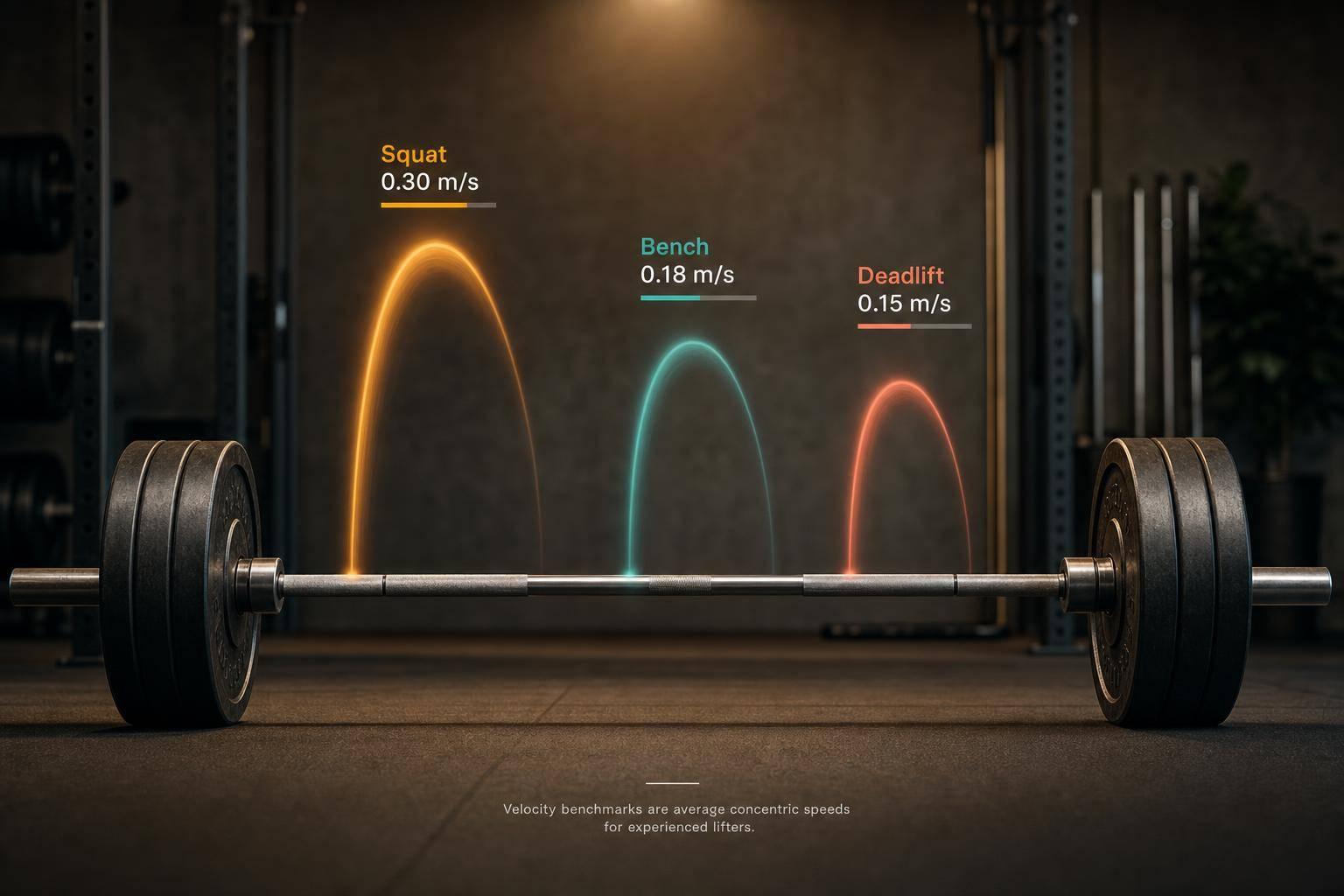
Velocity Benchmarks for Squat, Bench, Deadlift
Use mean concentric velocity to auto-regulate squat, bench, and deadlift loads with 1RM speed benchmarks, normal swings, and simple load-adjust rules.
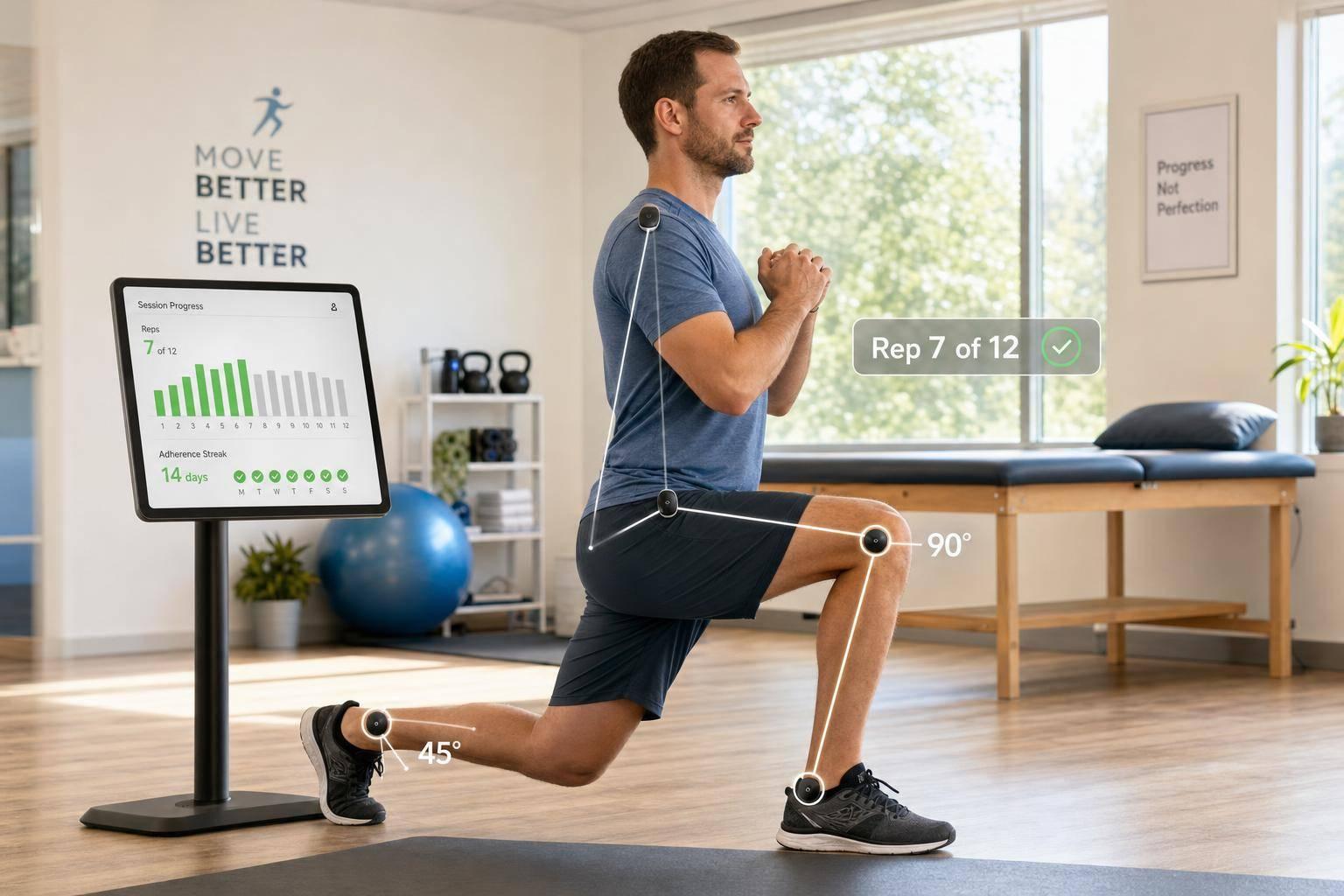
What Studies Show on Motion Tracking Rehab
Motion tracking improves rep-by-rep form and rehab adherence, but can't diagnose tissue healing or predict safety for near-max lifts.
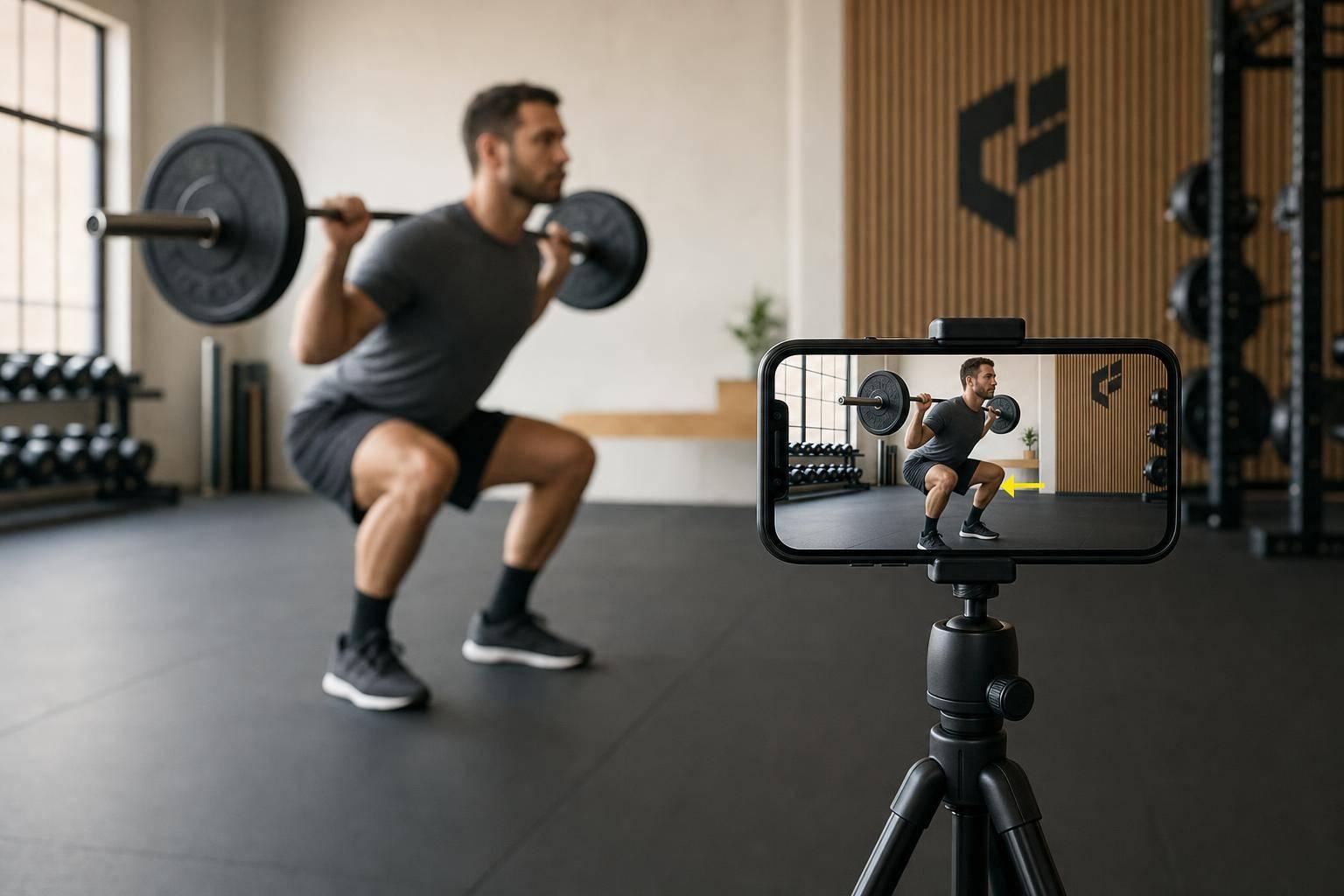
Study Summary: Video Feedback in Strength Form
Video is best for spotting one visible lifting fault and giving one clear cue—use it for technique, not for safety or effort.
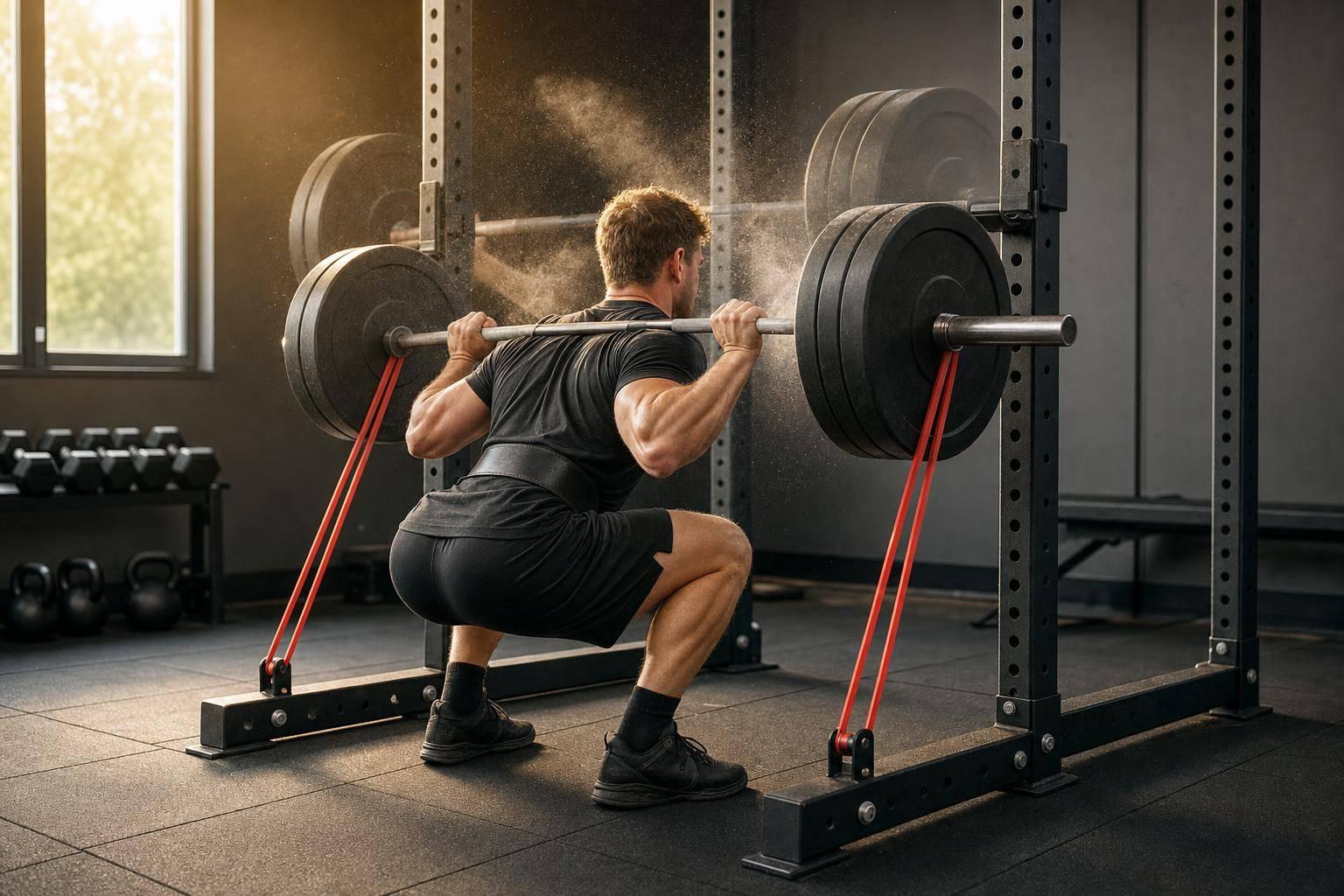
When Dynamic Resistance Helps Squat and Bench
Straight weight builds base strength; use bands or chains in short 3–6 week blocks to boost bar speed and lockout.
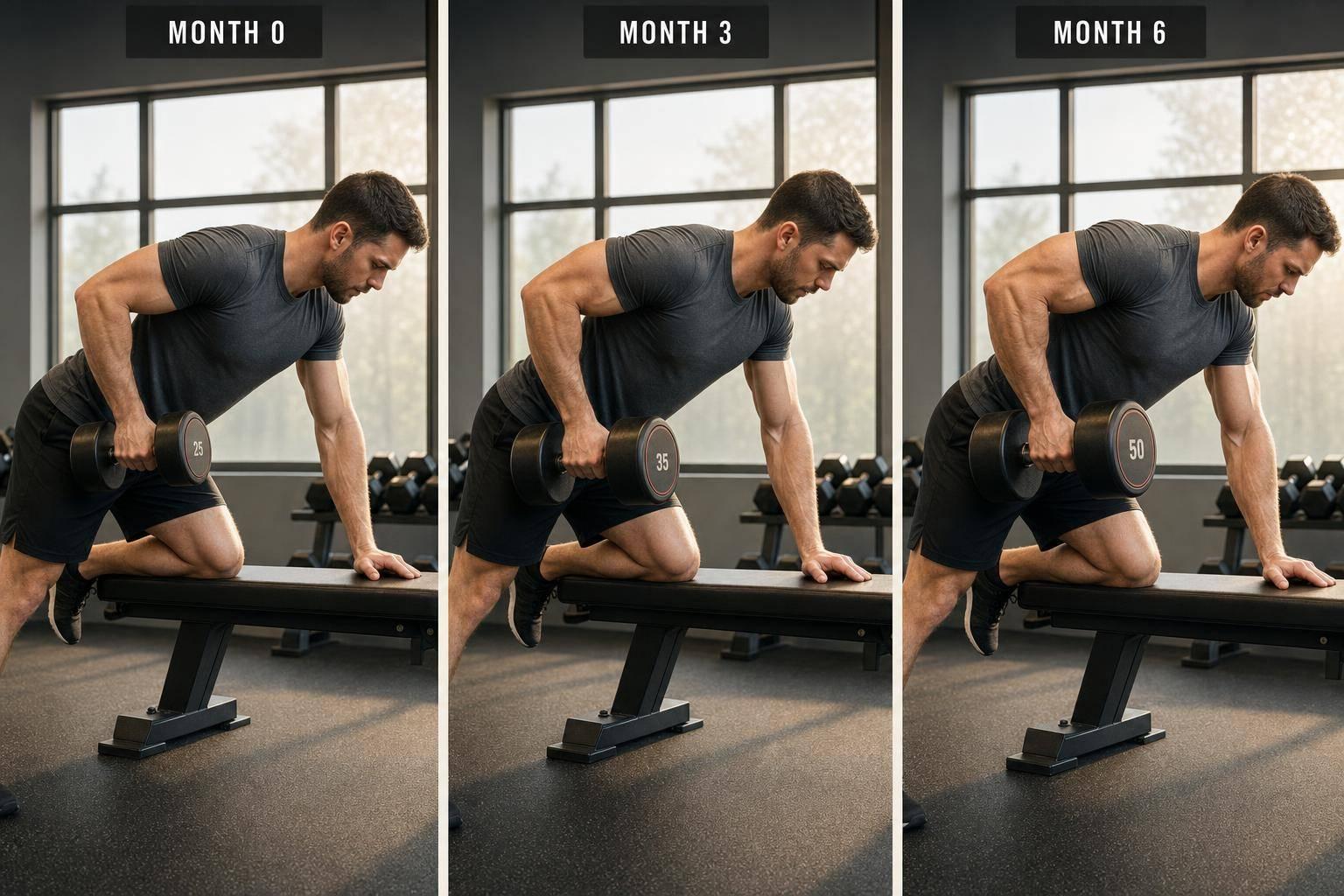
Testosterone and Muscle Hypertrophy: What Science Says
Long-term testosterone exposure boosts lean mass; dose, baseline, and consistent resistance training determine gains—post-workout spikes matter little.
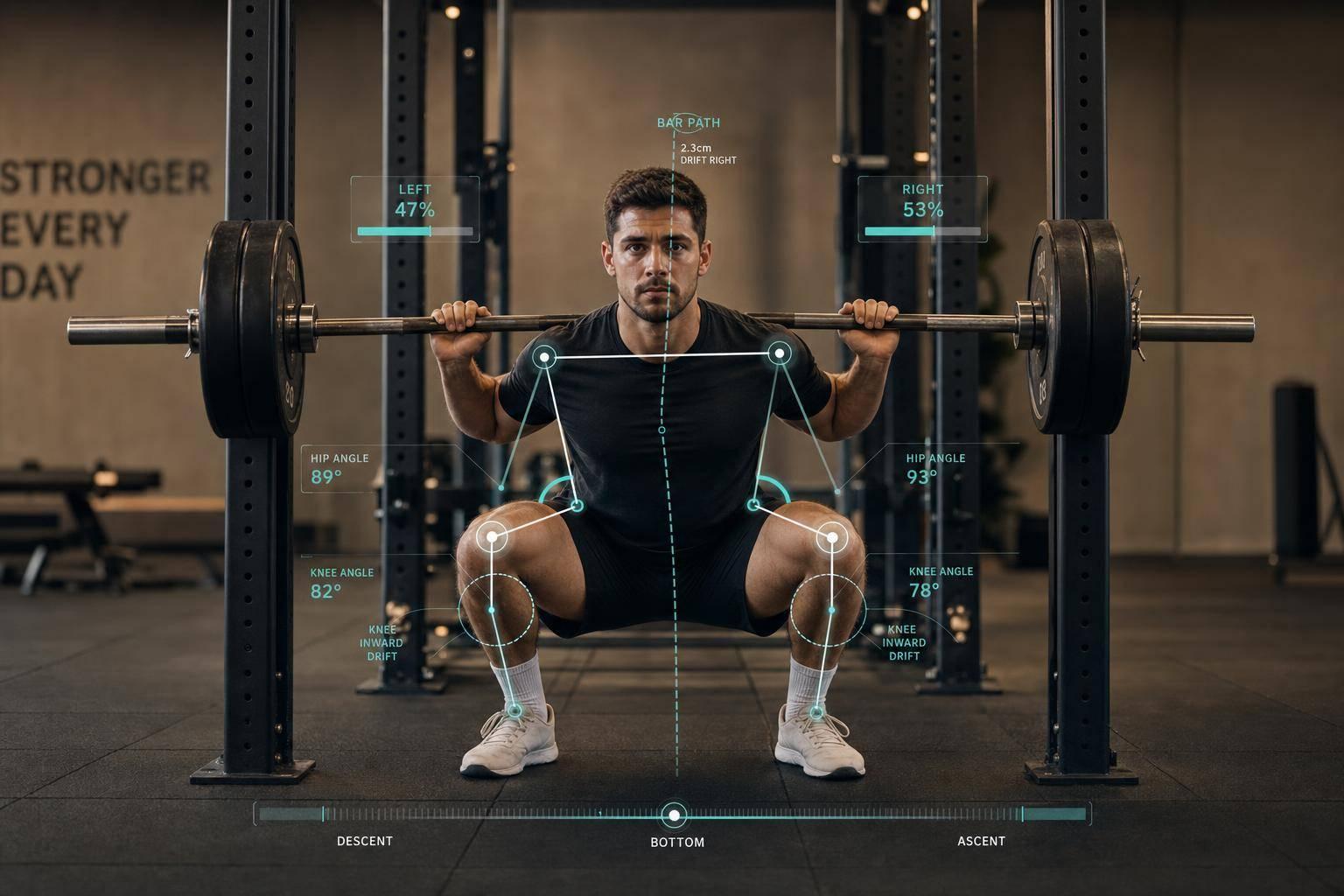
How AI Detects Posture Imbalances in Lifts
How video-based AI turns phone footage into joint-angle data to flag knee valgus, asymmetry, bar drift, and phase-specific form breakdowns.
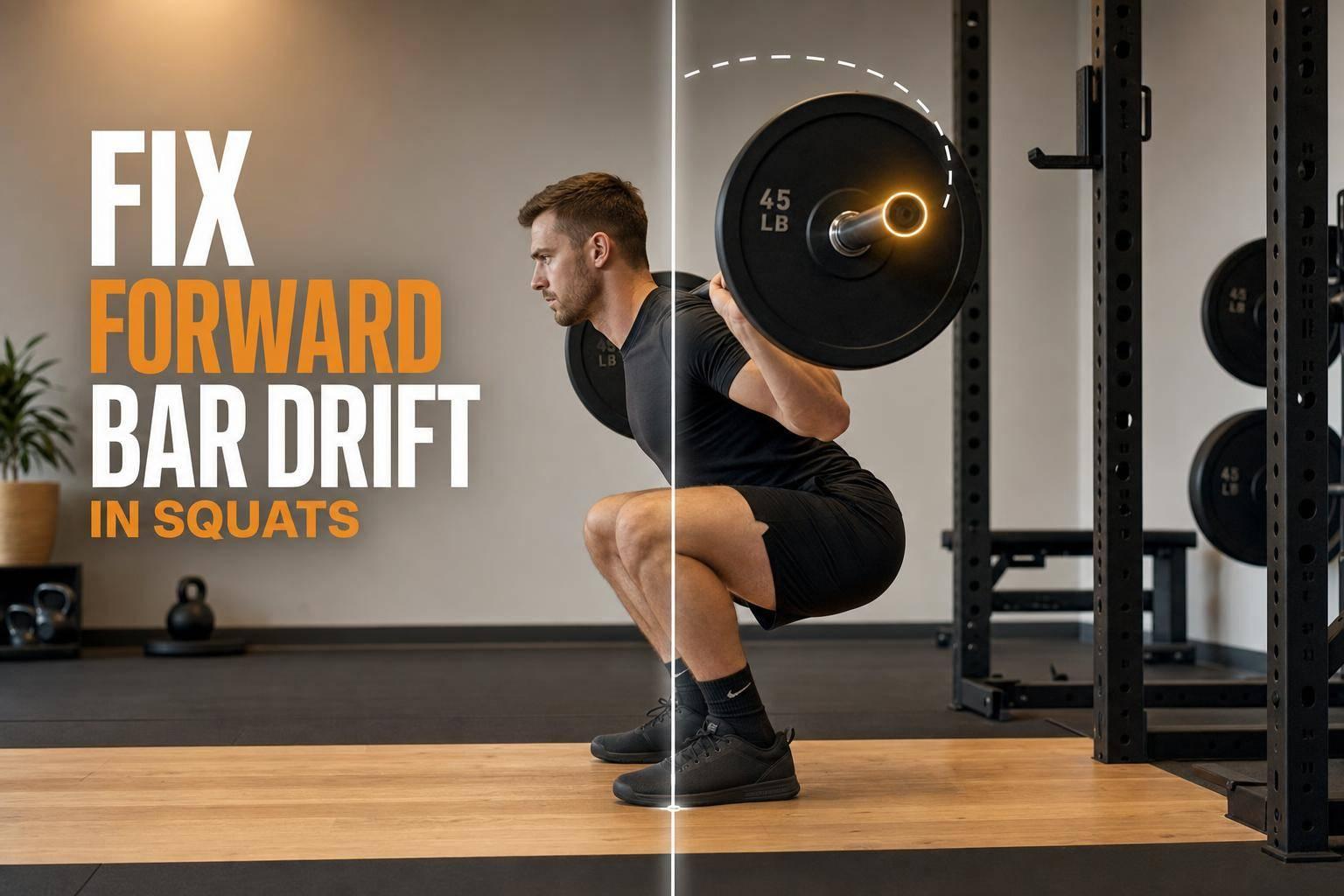
Fix forward bar drift in squats
Film your squat from the side, find the first frame the bar moves past midfoot, then fix the cause—ankles, brace, hips, or bar setup.
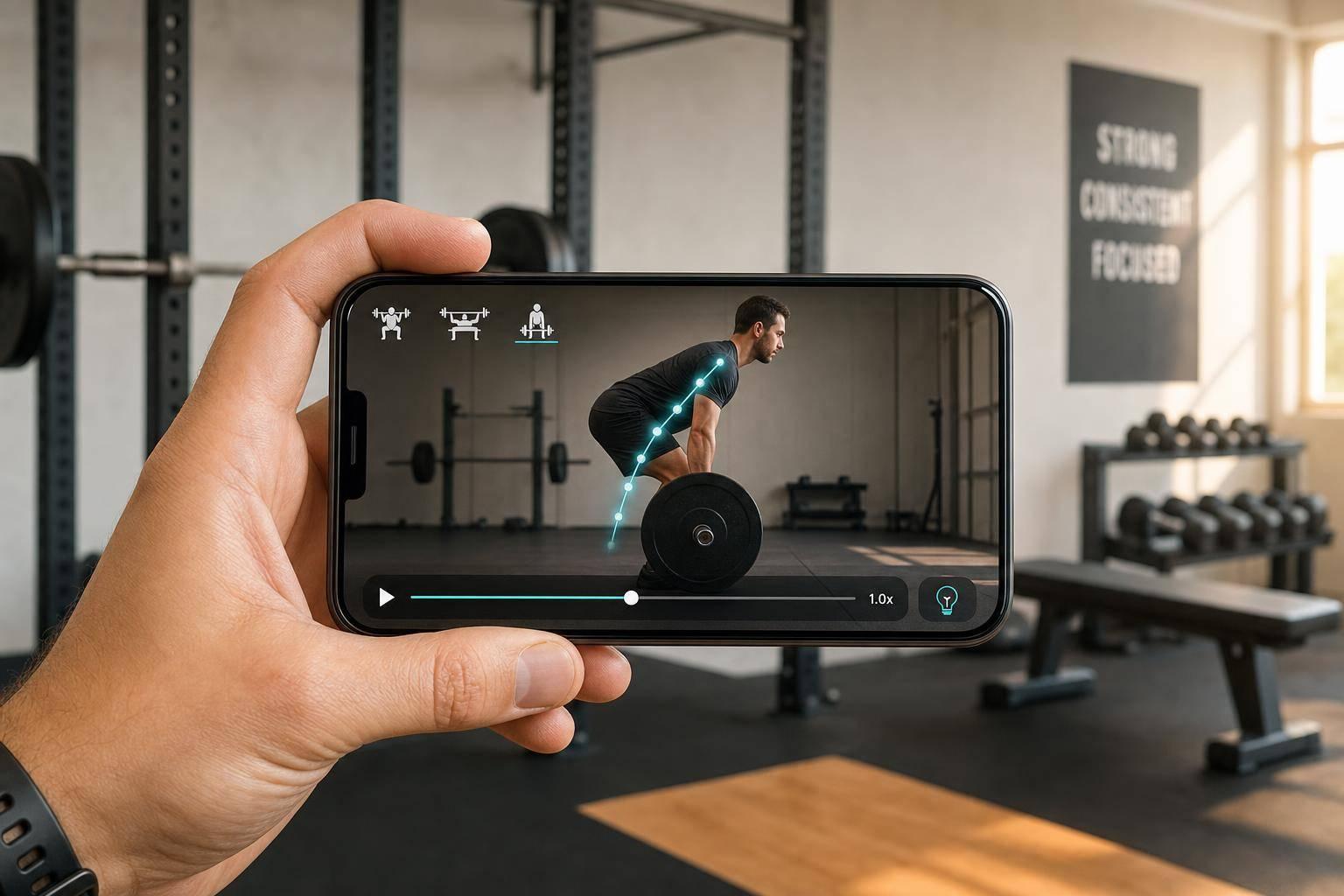
Best Bar Path Apps for Squat Bench Deadlift
The best bar-path app depends on whether you want a visual replay or AI coaching to tell you how to fix reps.
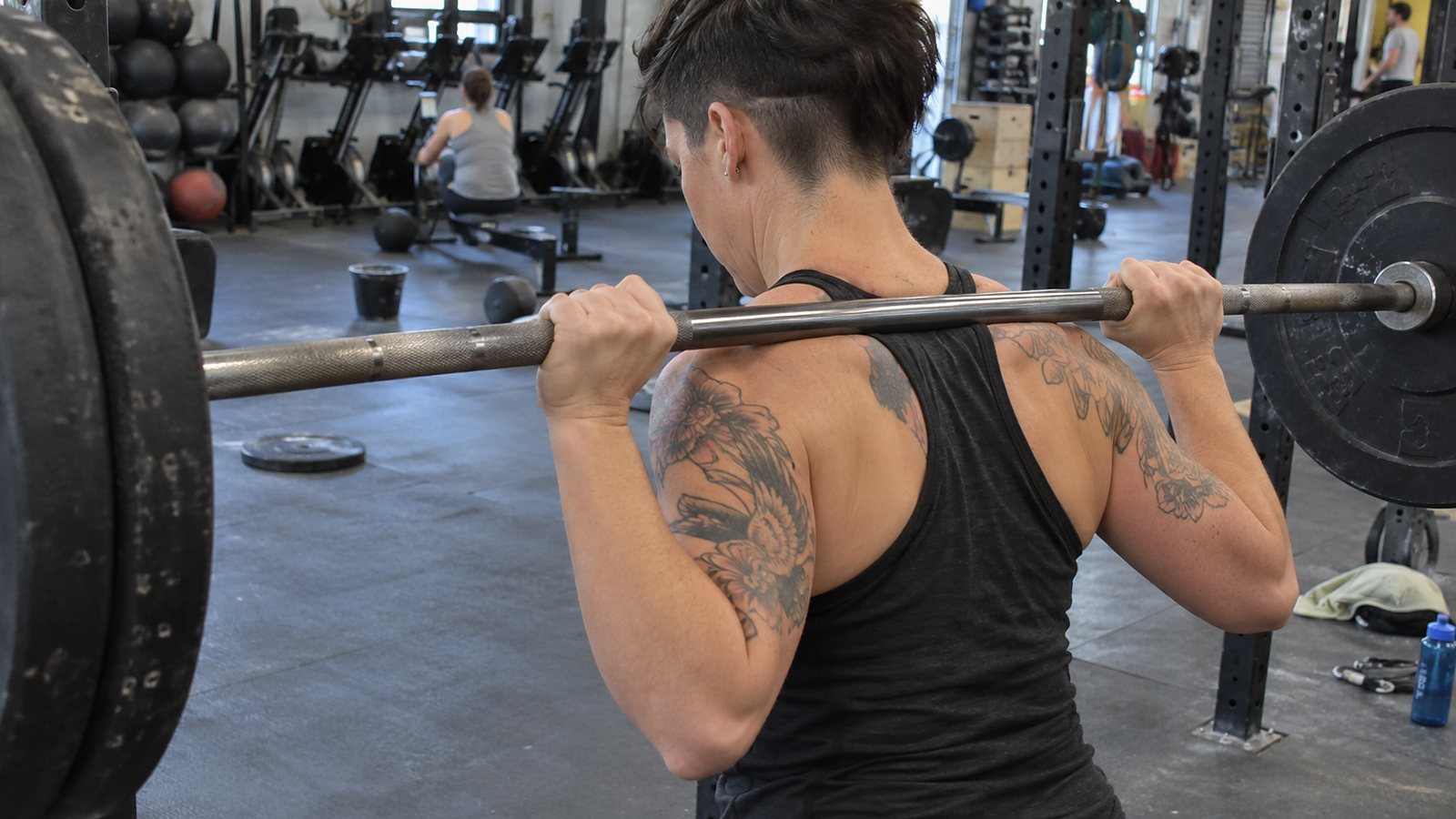
High Bar vs Low Bar Squat: What Changes and Which One Suits You
High bar or low bar? See where the bar sits, how torso angle, depth and muscle emphasis change, and how to pick the squat that fits your goal.
Study: AI Accuracy in Squat Error Detection
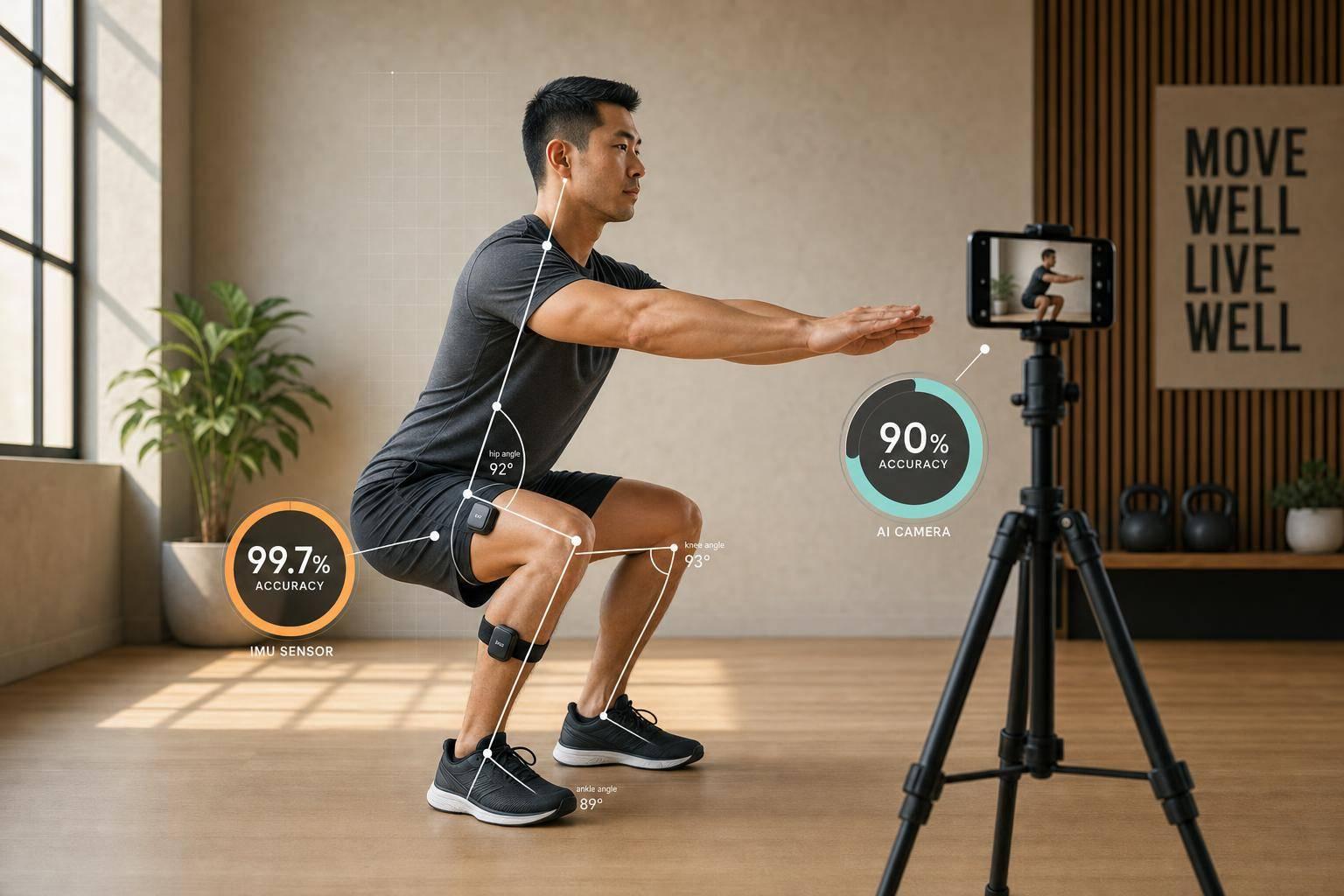
Research shows smartphone video tools reach ~90% accuracy while IMU wearables hit up to ~99.7%; AI is best as a screening tool.
Squat Depth: How Deep Should You Squat and How to Get There
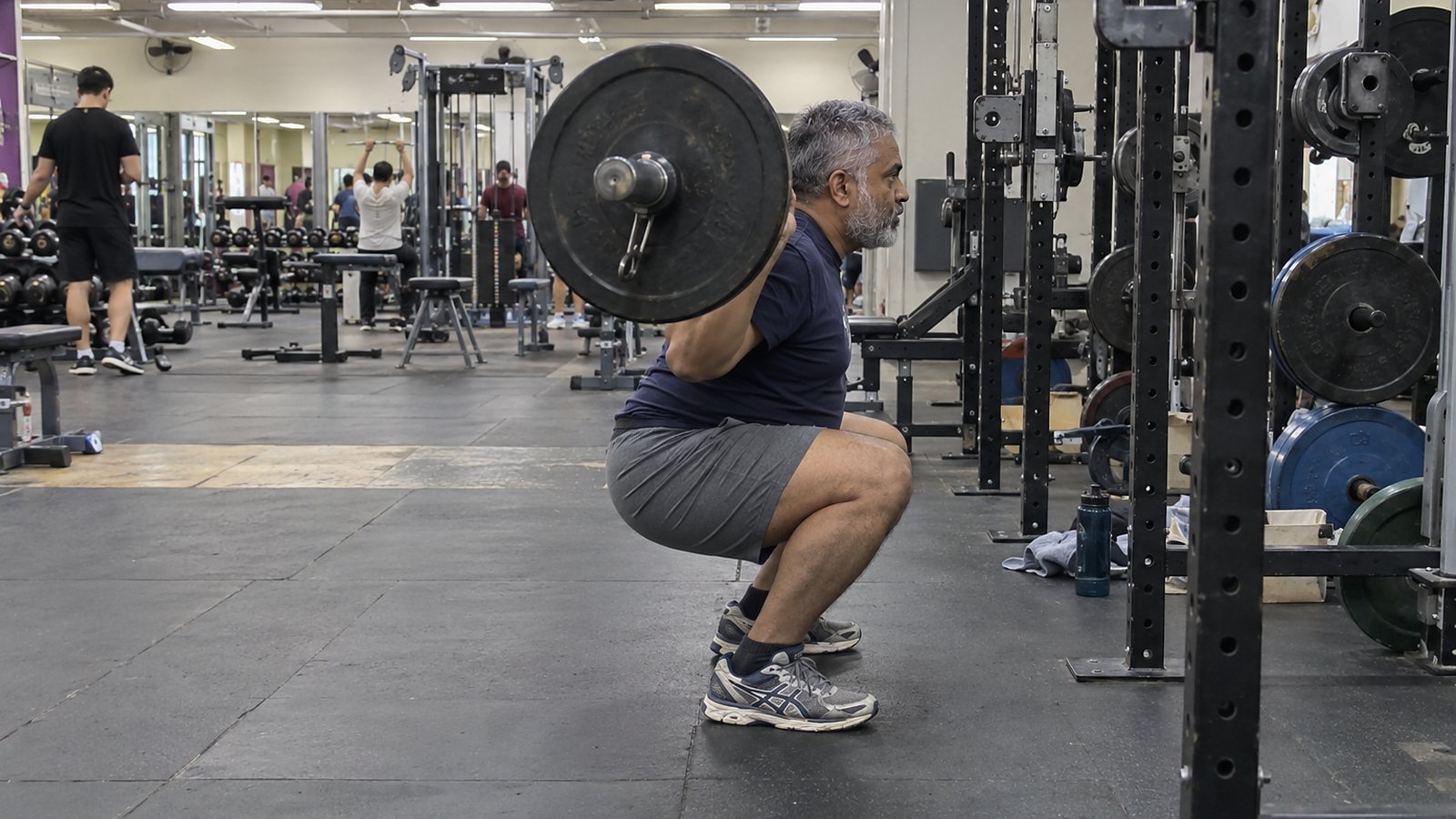
How deep should you squat? See what counts as parallel, what competition rules require, and how to build depth in small steps without forcing it.
How AI Identifies Movement Errors in Workouts
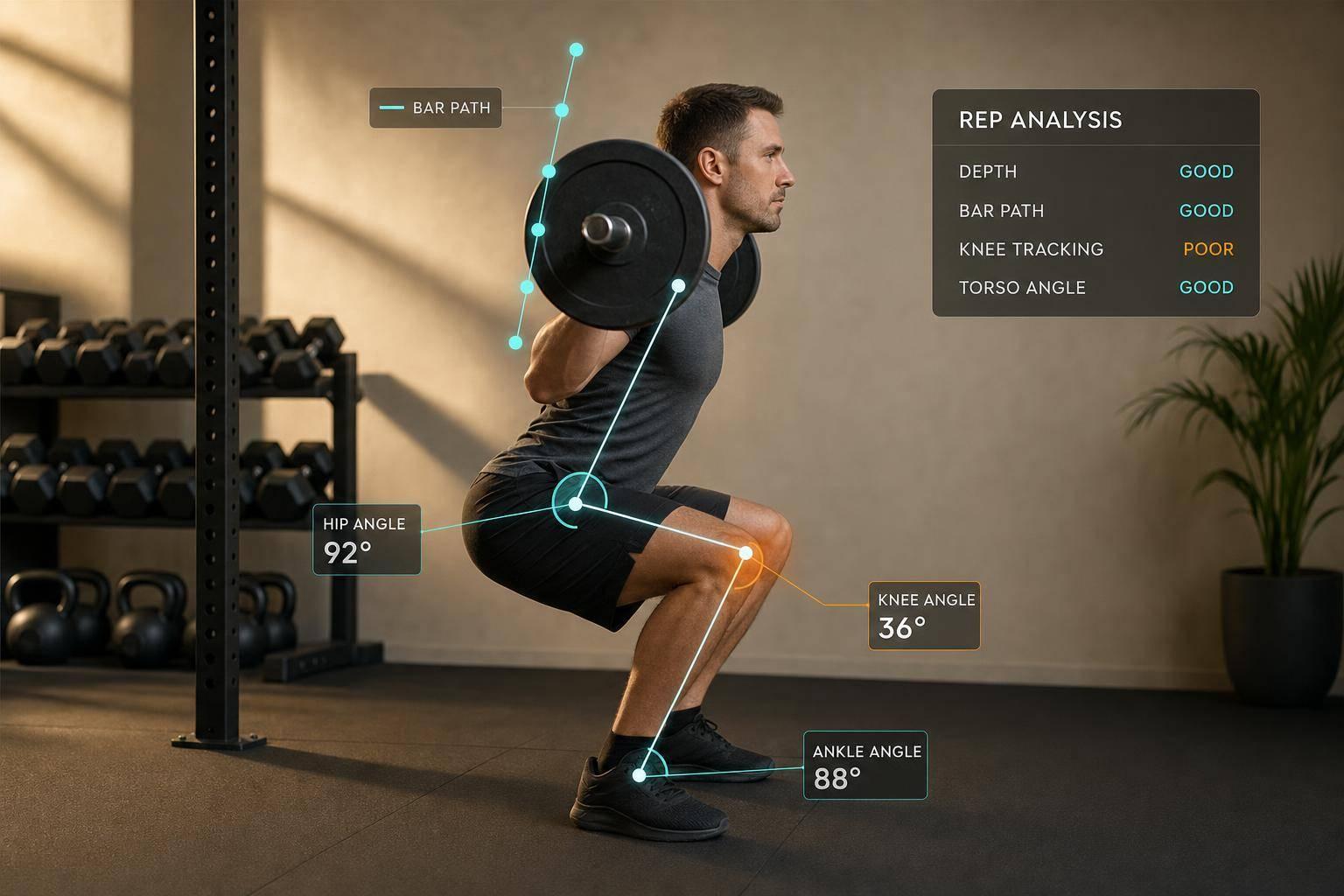
AI converts workout videos into joint angles, bar path, and timing to flag repeat form faults and track progress.
Top 5 Form Errors in Compound Lifts
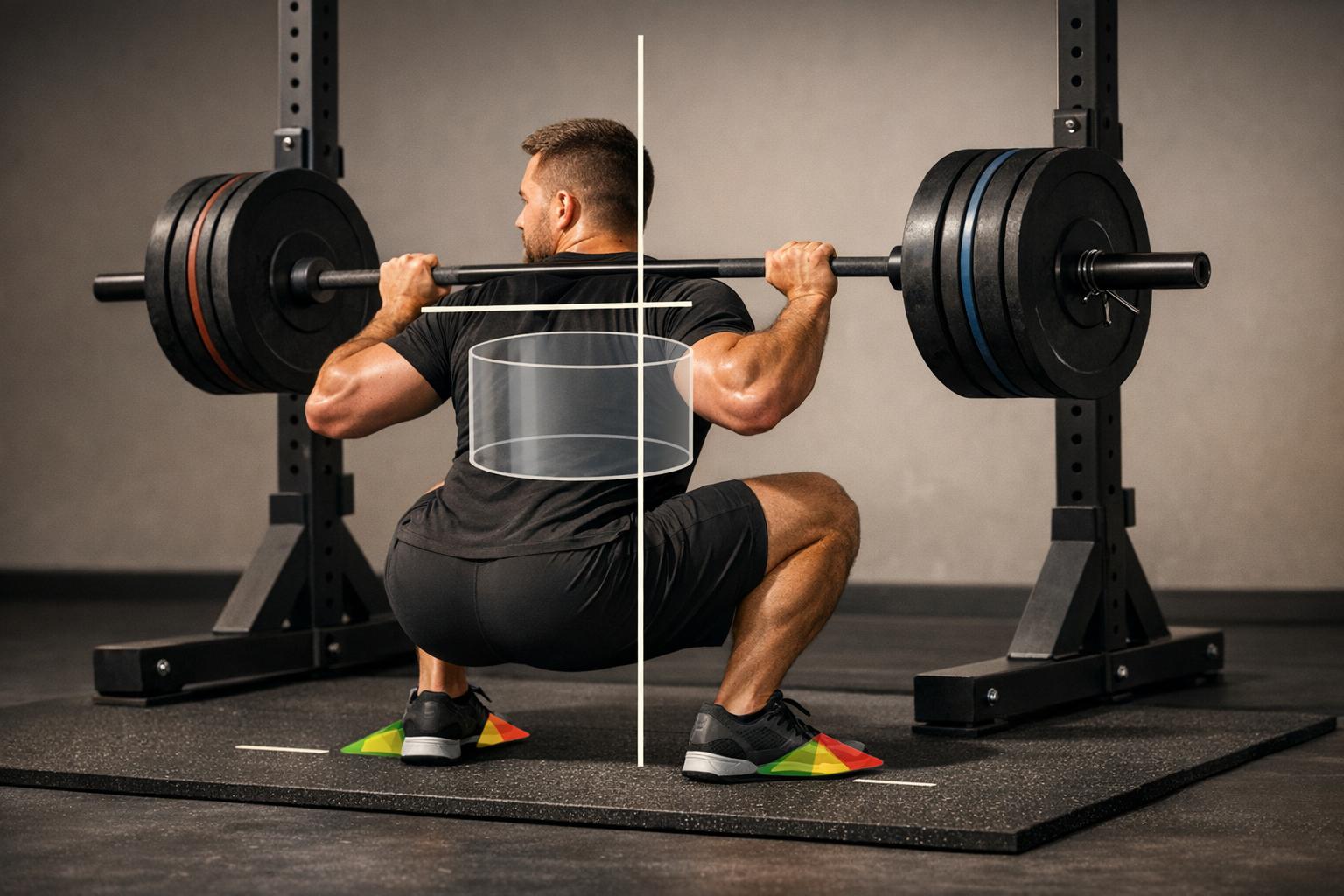
Small form mistakes in squats, bench, and deadlifts shift load to joints — fix bracing, foot pressure, bar path, upper-back, and setup.
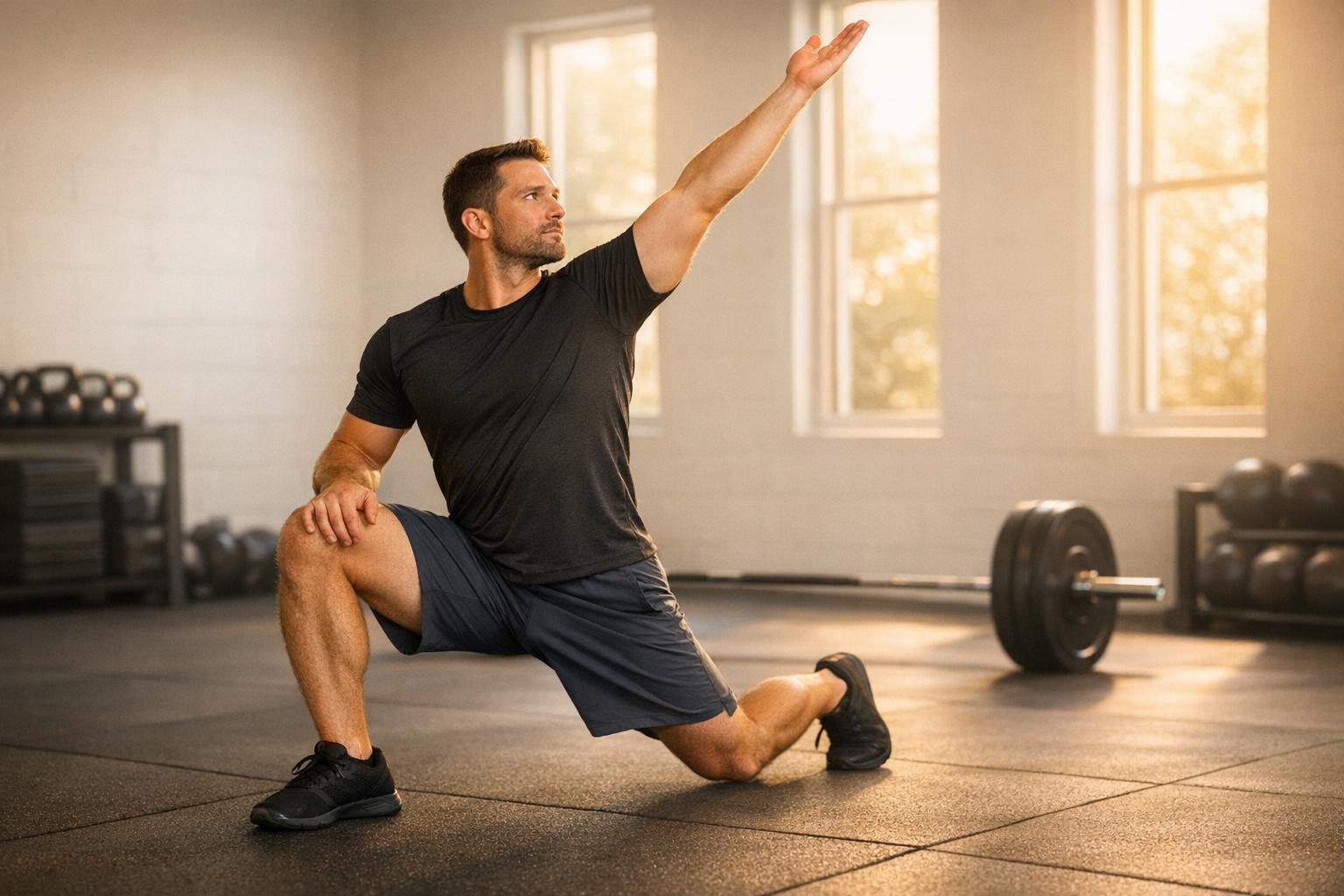
How Warm-Ups Prevent Lifting Injuries
Warm-ups are essential — they cut injury risk, boost strength and mobility, and fix technique before heavy lifts.
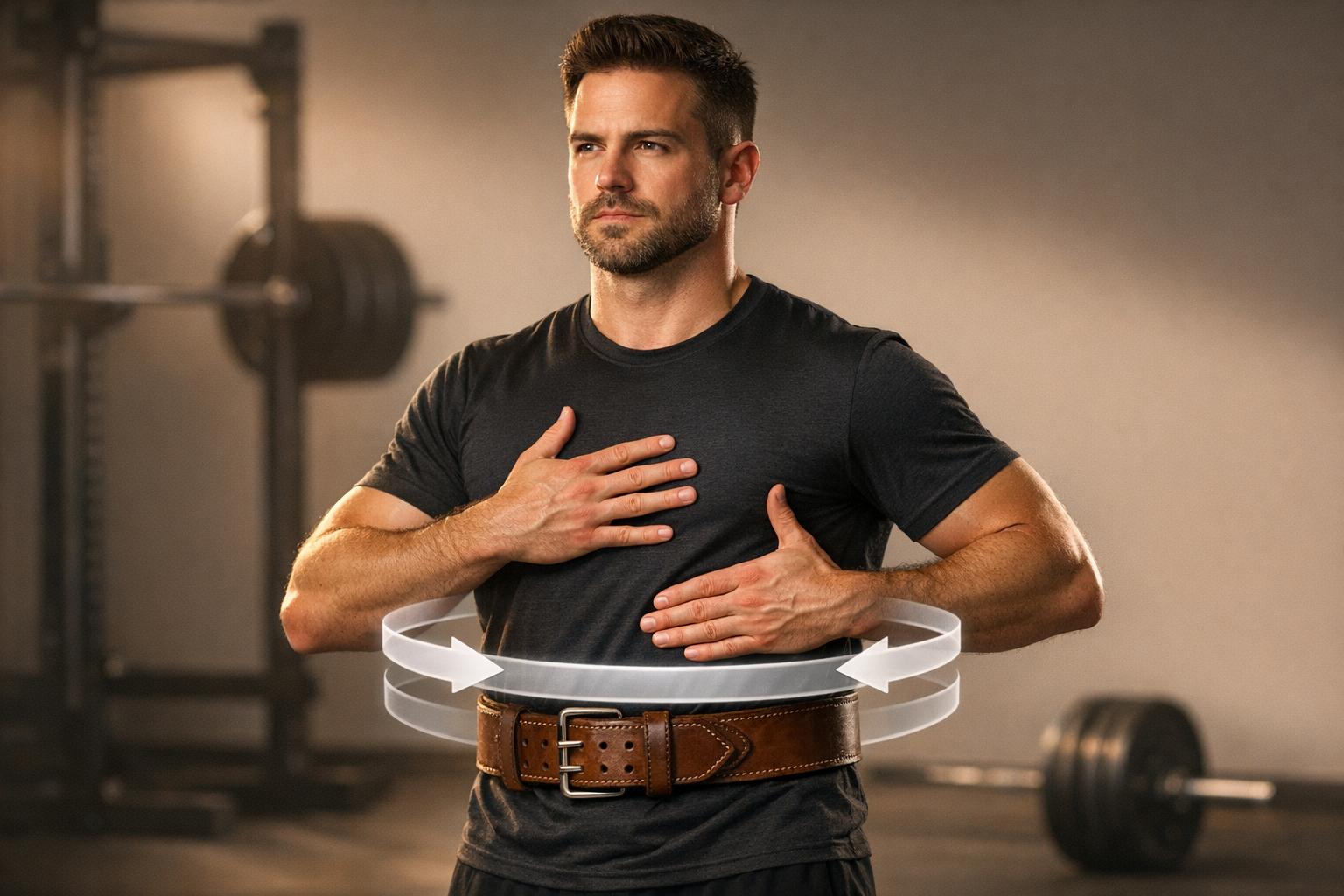
Breathing and Bracing for Squats and Deadlifts
Learn diaphragmatic breathing, 360° bracing, belt use, and drills to protect your spine and increase squat and deadlift strength.
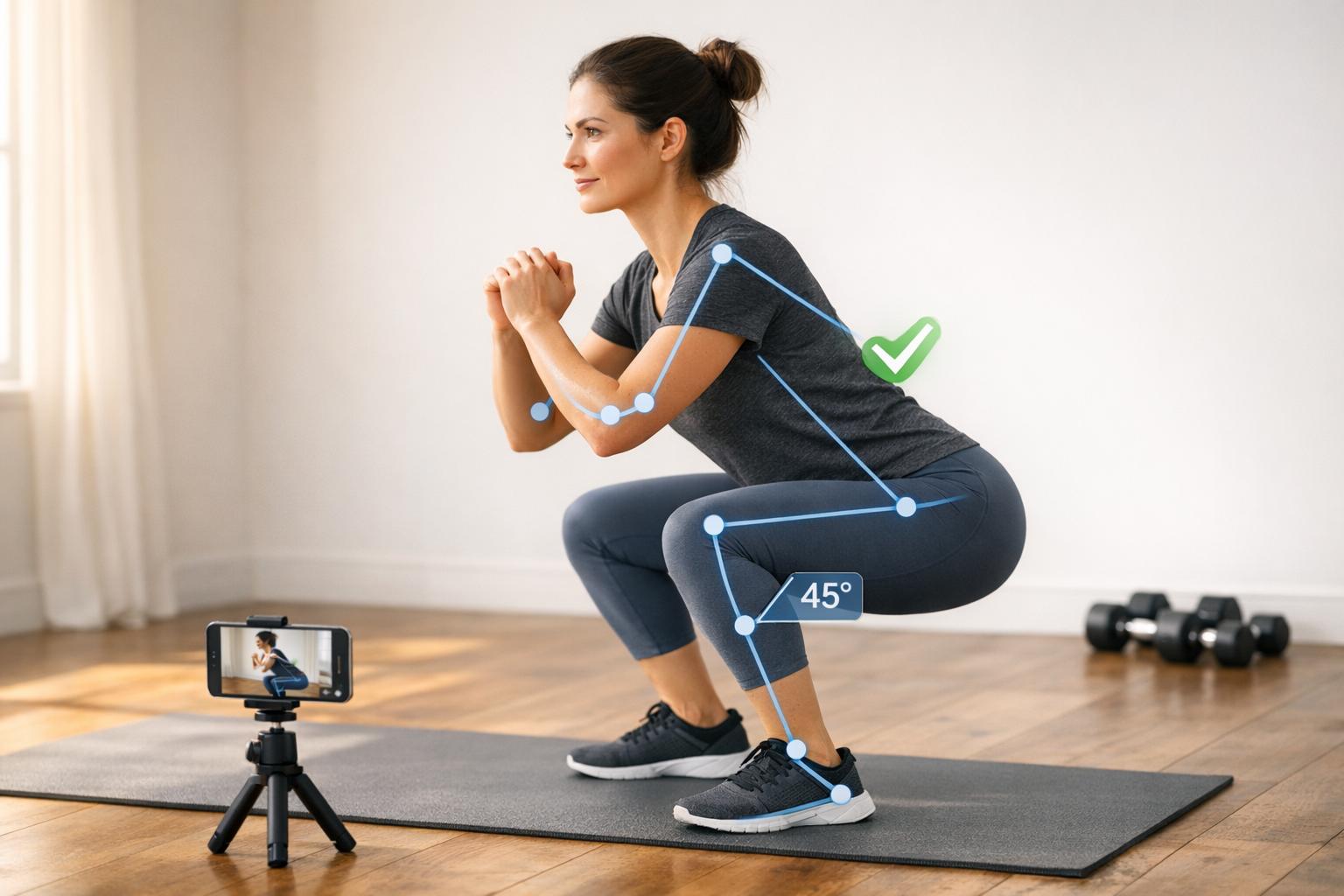
How Pose Estimation Powers Real-Time Form Feedback
On-device pose estimation analyzes joint angles and movement to deliver low-latency, coach-like exercise feedback and reduce injury risk.
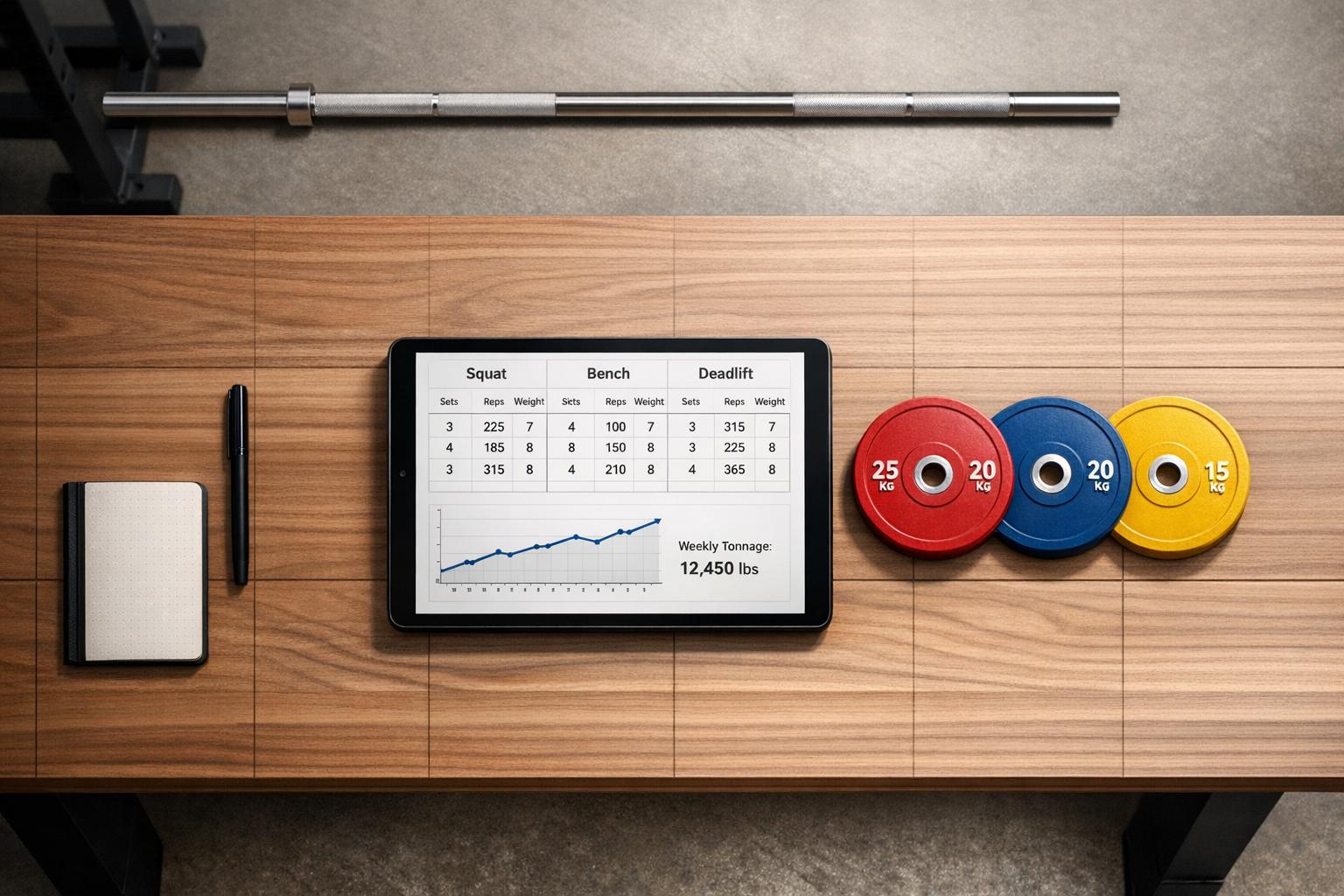
Tracking Volume for Squat, Bench, and Deadlift
Log working sets, reps, weight and RPE to calculate weekly tonnage, progress by 2–5%, and avoid overtraining.
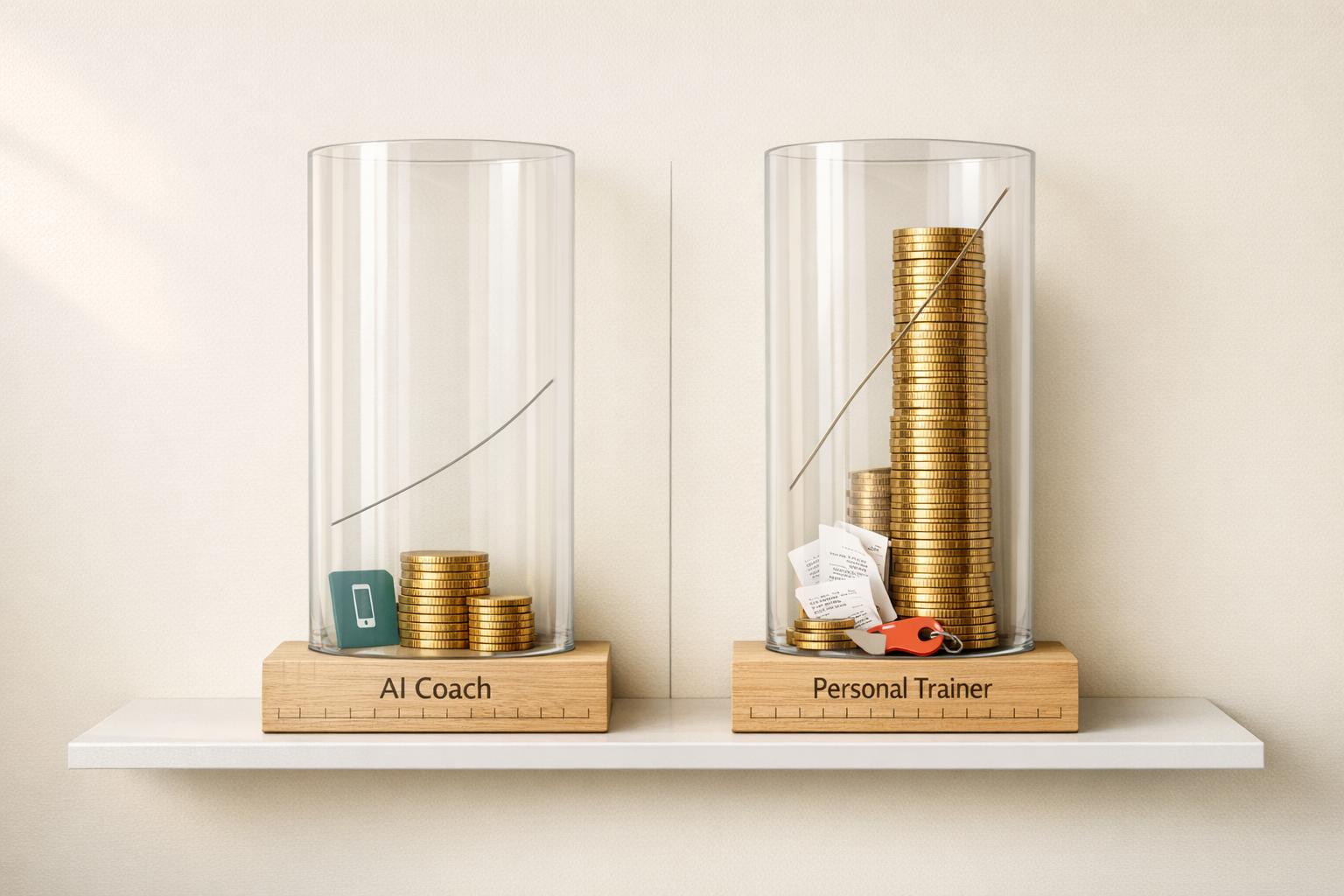
AI Coach vs Personal Trainer: Cost Comparison
Compare AI coaching and personal training costs: CueForm's subscription and per-check prices, trainer session rates, and the fees trainers often add.