Tag: AI Tools
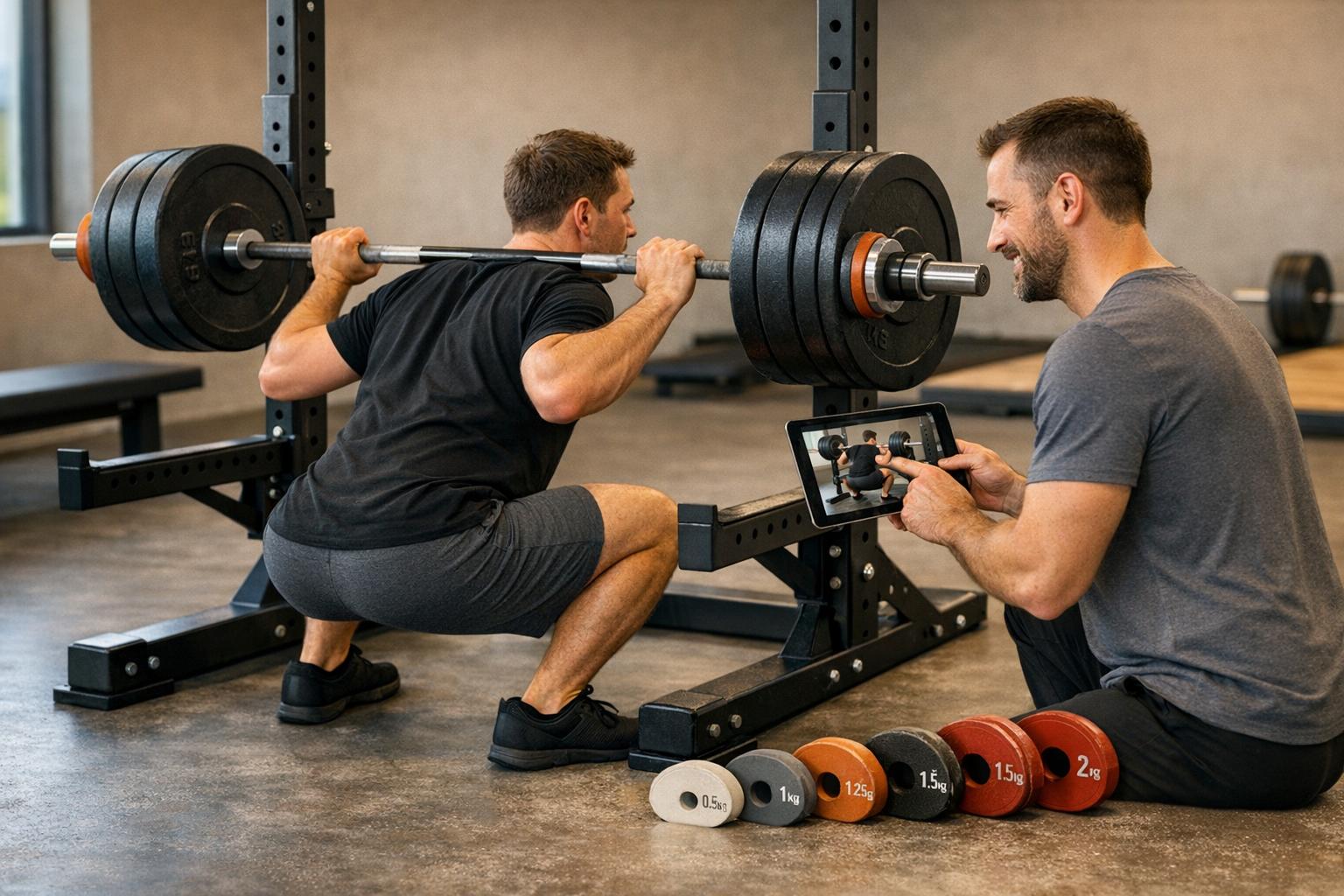
Study Summary: AI Form Feedback in Weight Training
Camera-based AI can spot visible squat, bench, and deadlift faults, but accuracy varies with camera setup and it can't read bracing or fatigue.
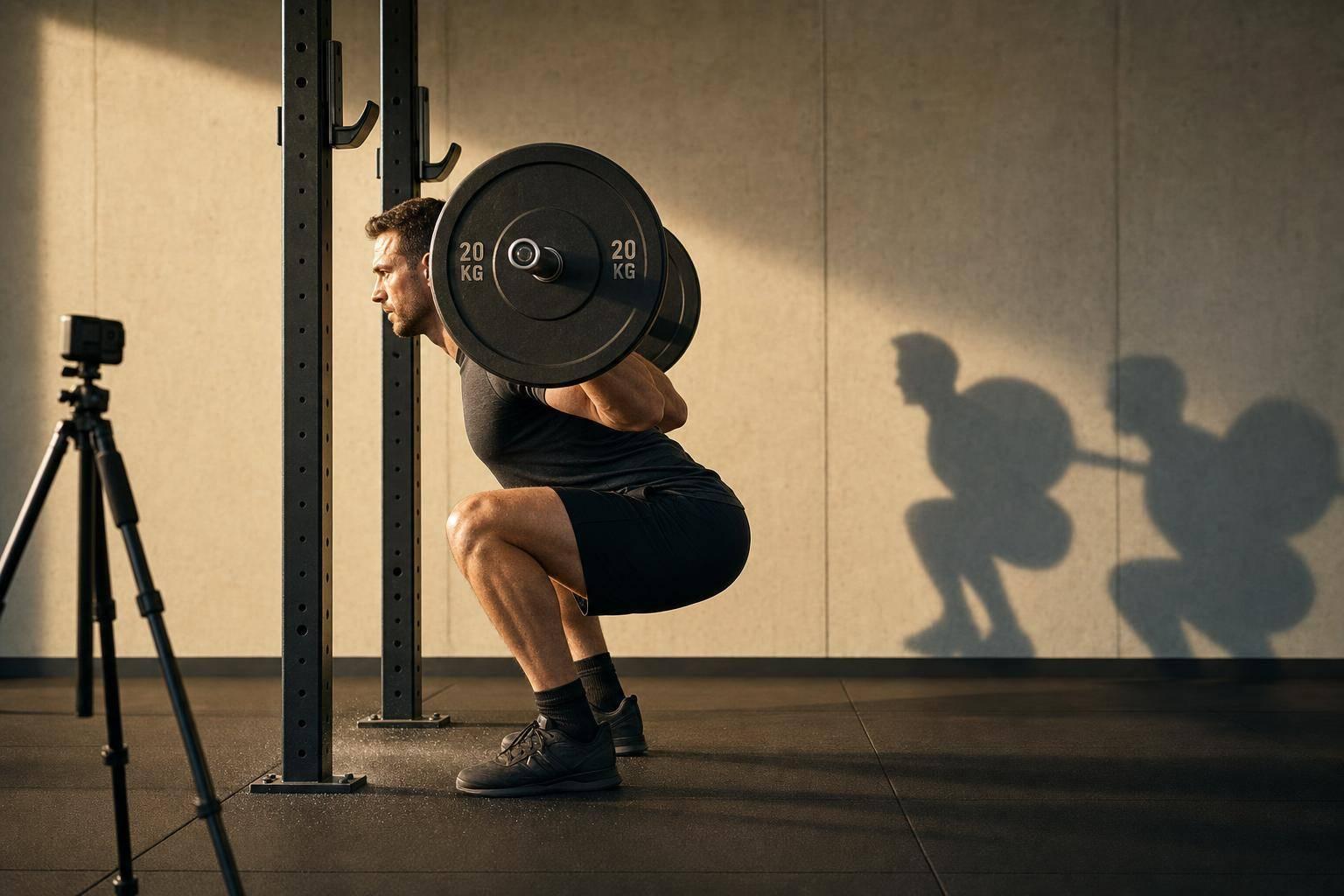
What Studies Show on Motion Tracking Rehab
Motion tracking improves rep-by-rep form and rehab adherence, but can't diagnose tissue healing or predict safety for near-max lifts.
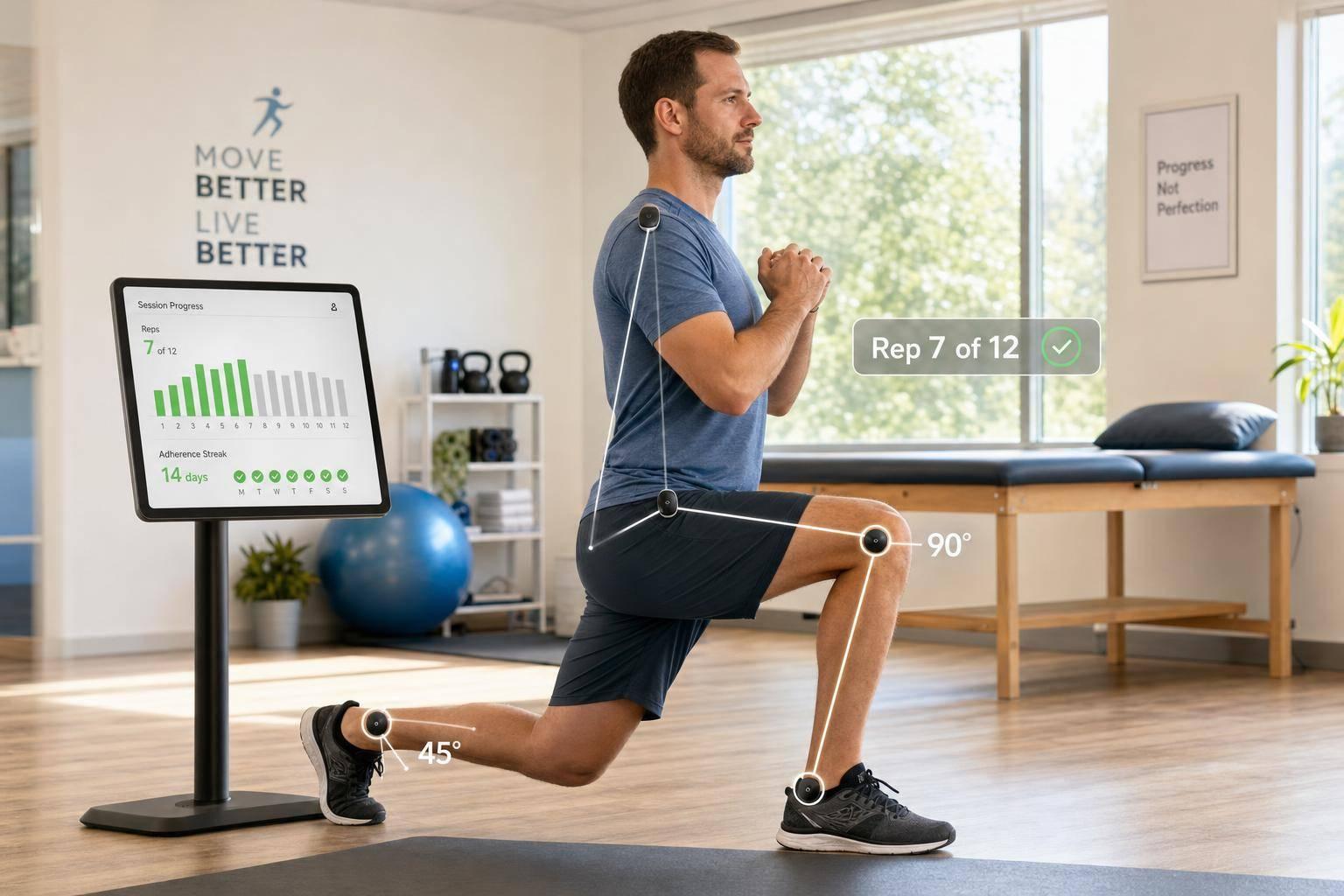
5 Ways AI Detects Fatigue in Strength Training
AI tracks form, bar speed, sEMG, HRV and multisensor data to spot fatigue early and guide strength-training decisions.
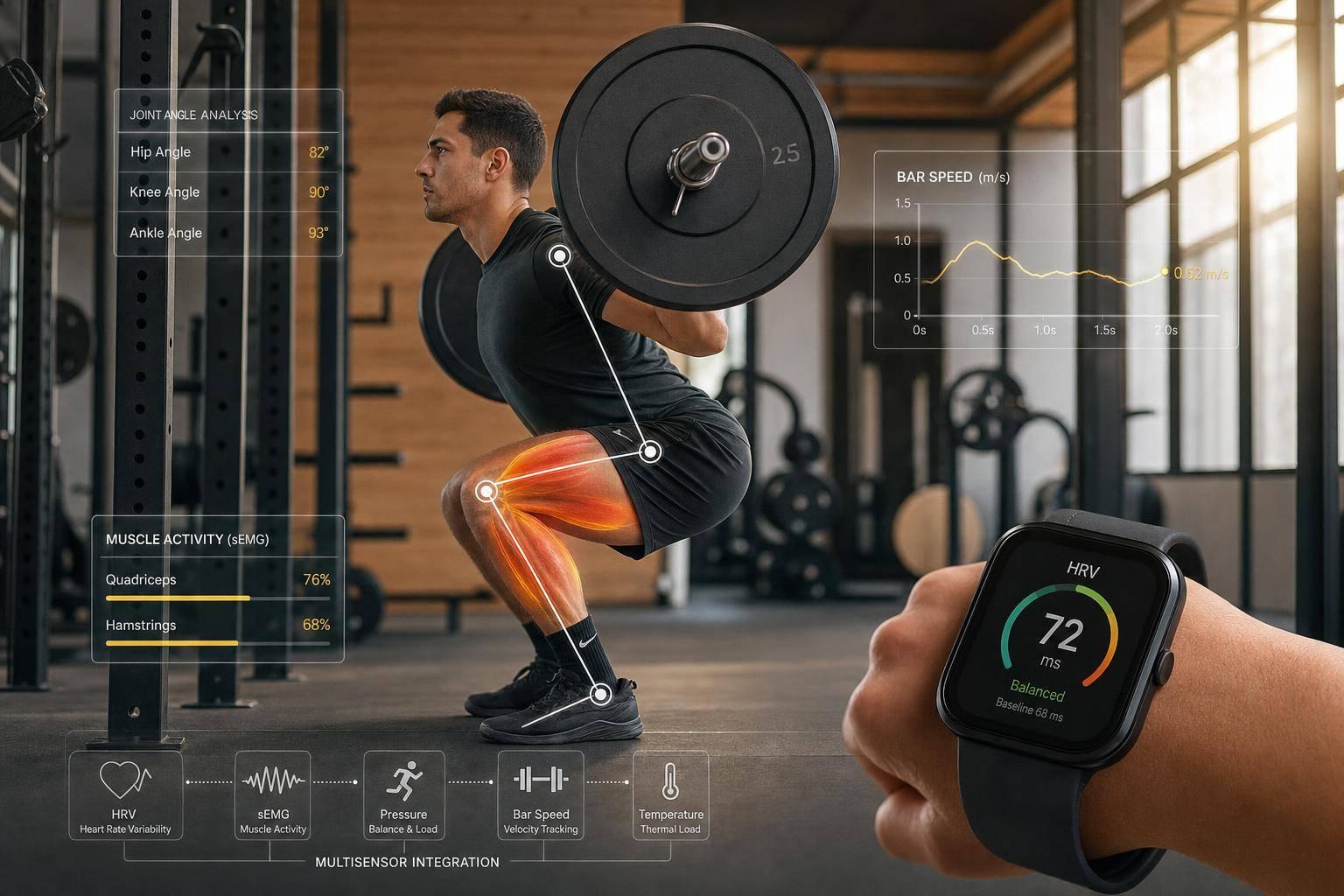
How AI Detects Posture Imbalances in Lifts
How video-based AI turns phone footage into joint-angle data to flag knee valgus, asymmetry, bar drift, and phase-specific form breakdowns.
Best Bar Path Apps for Squat Bench Deadlift
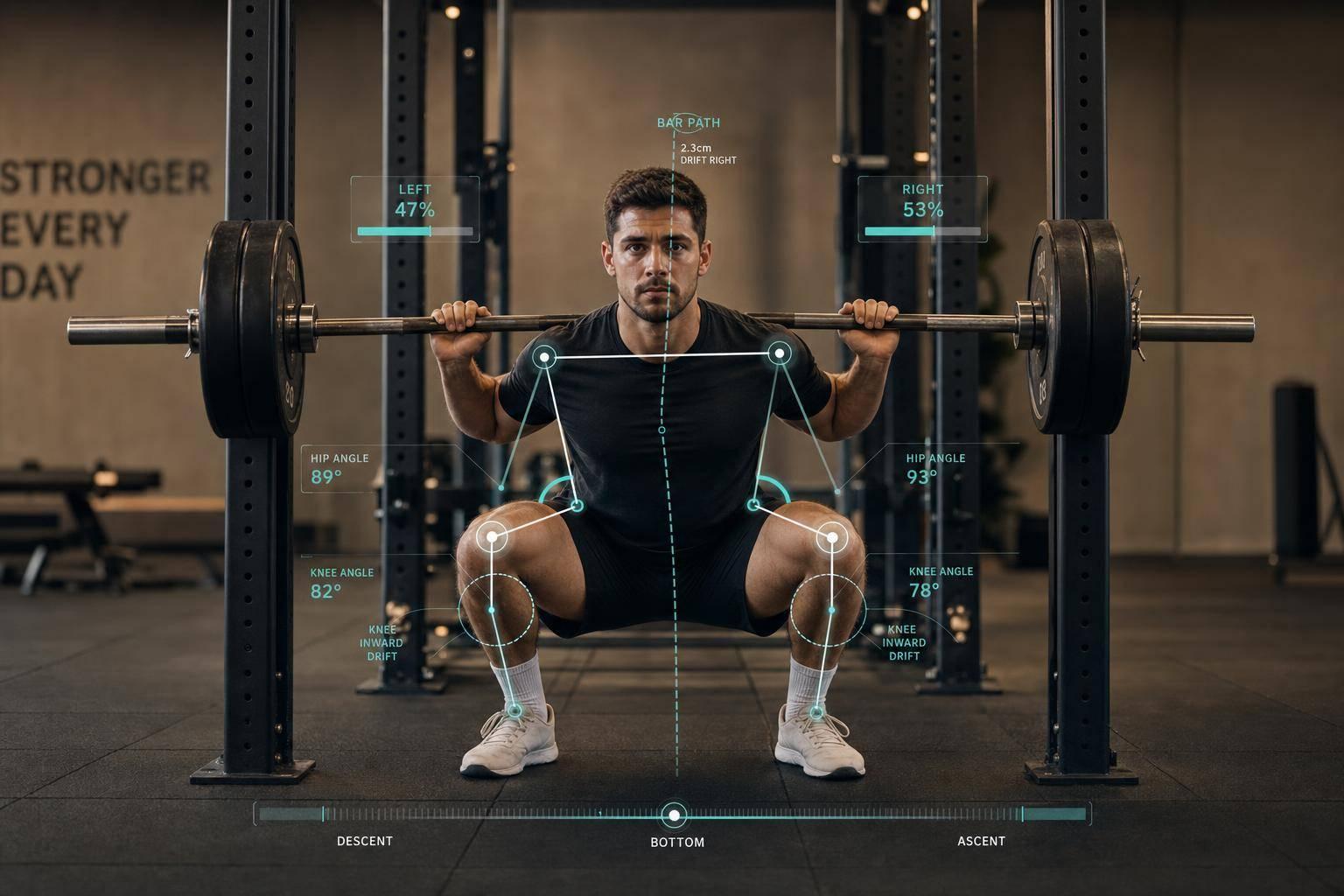
The best bar-path app depends on whether you want a visual replay or AI coaching to tell you how to fix reps.
Study: AI Accuracy in Squat Error Detection
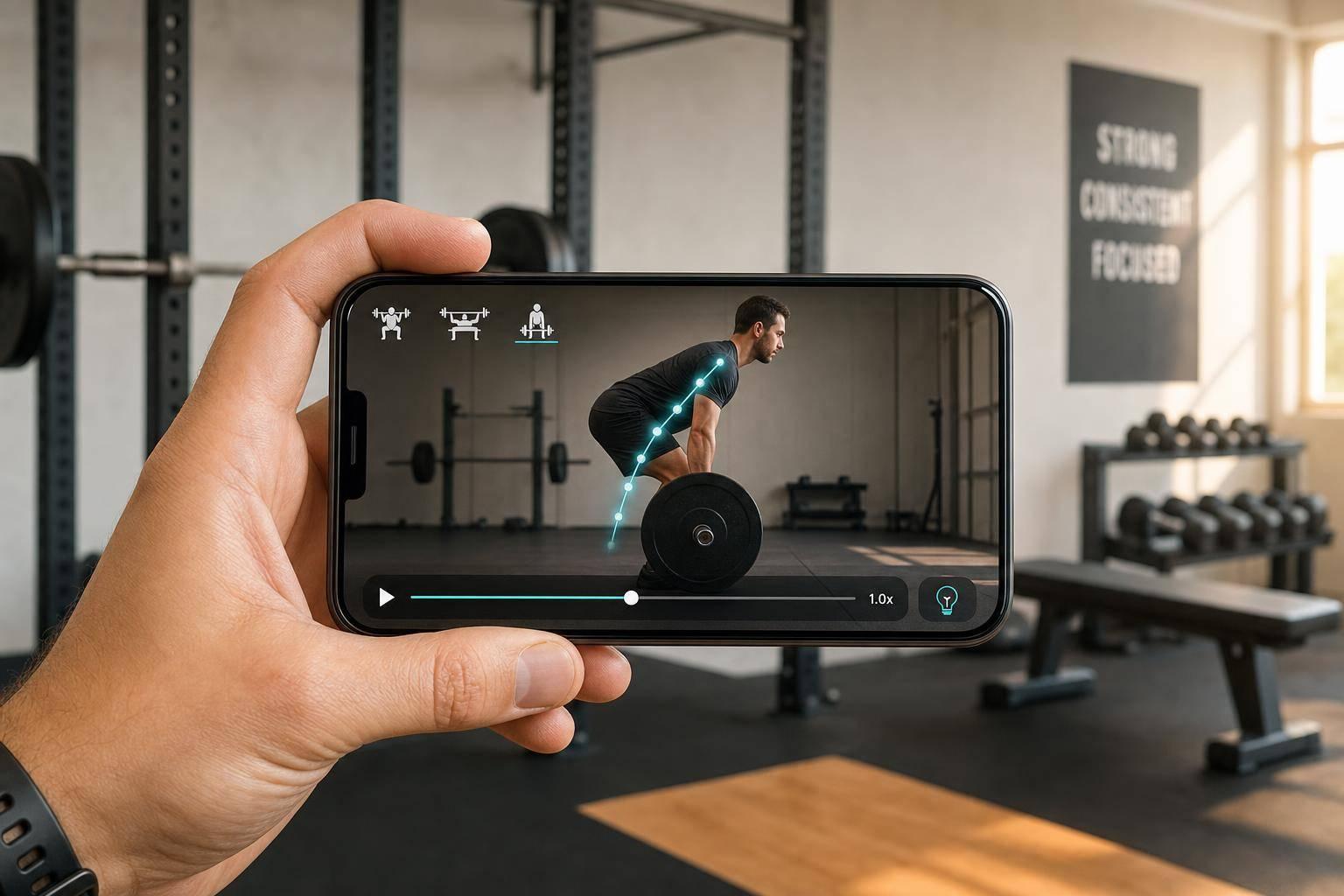
Research shows smartphone video tools reach ~90% accuracy while IMU wearables hit up to ~99.7%; AI is best as a screening tool.
Squat Depth: How Deep Should You Squat and How to Get There
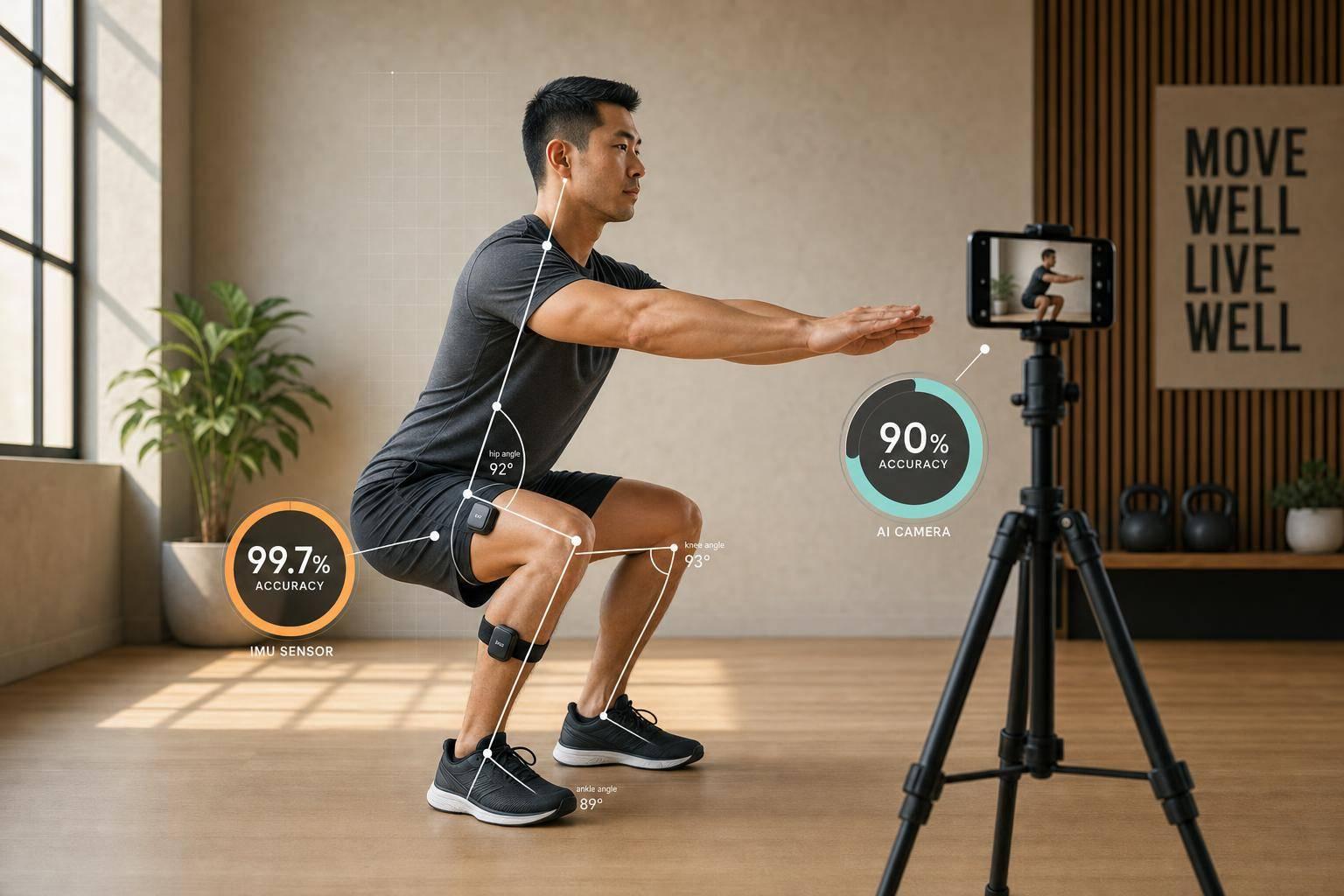
How deep should you squat? See what counts as parallel, what competition rules require, and how to build depth in small steps without forcing it.
How AI Adjusts Workouts for All Levels
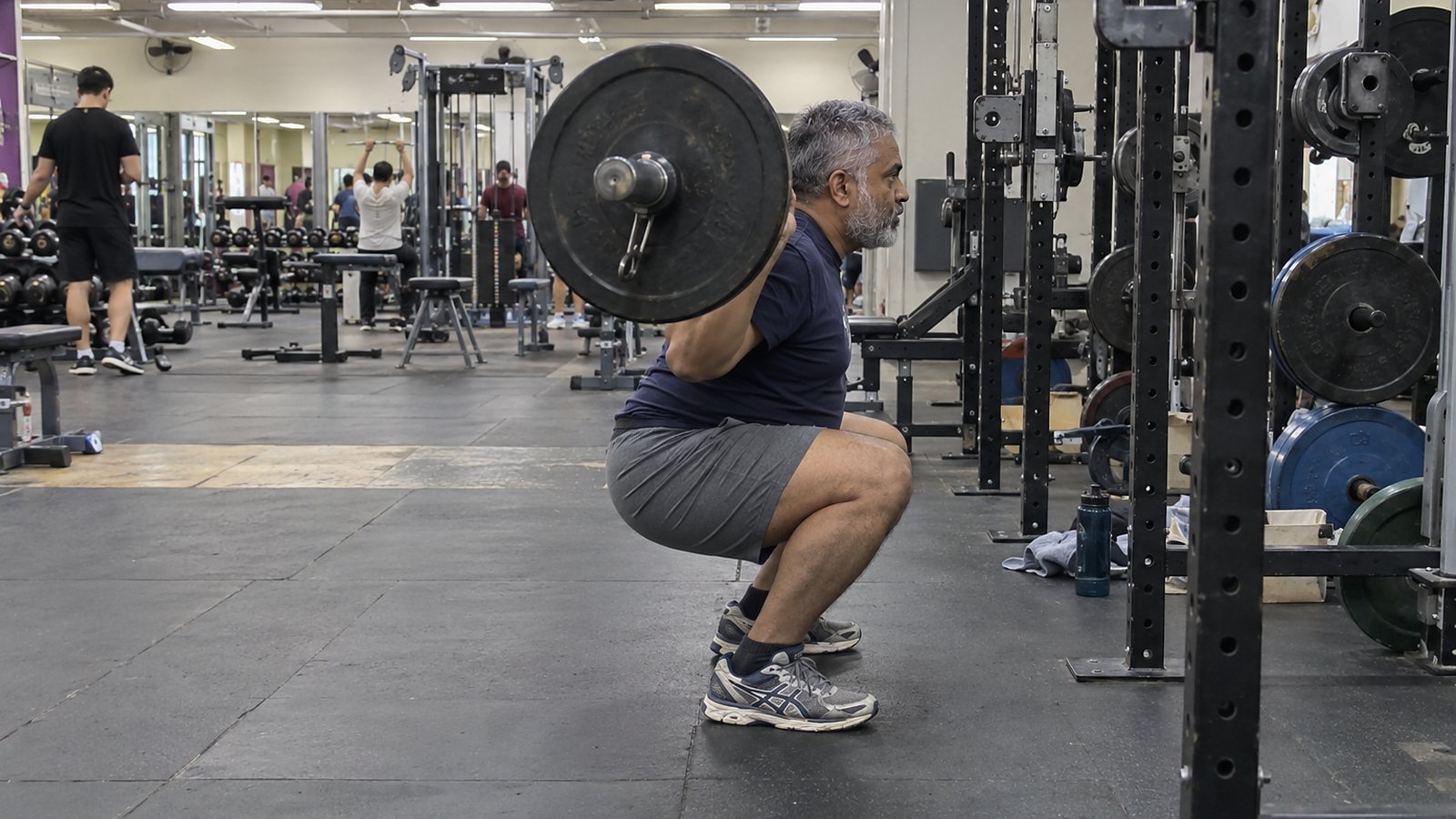
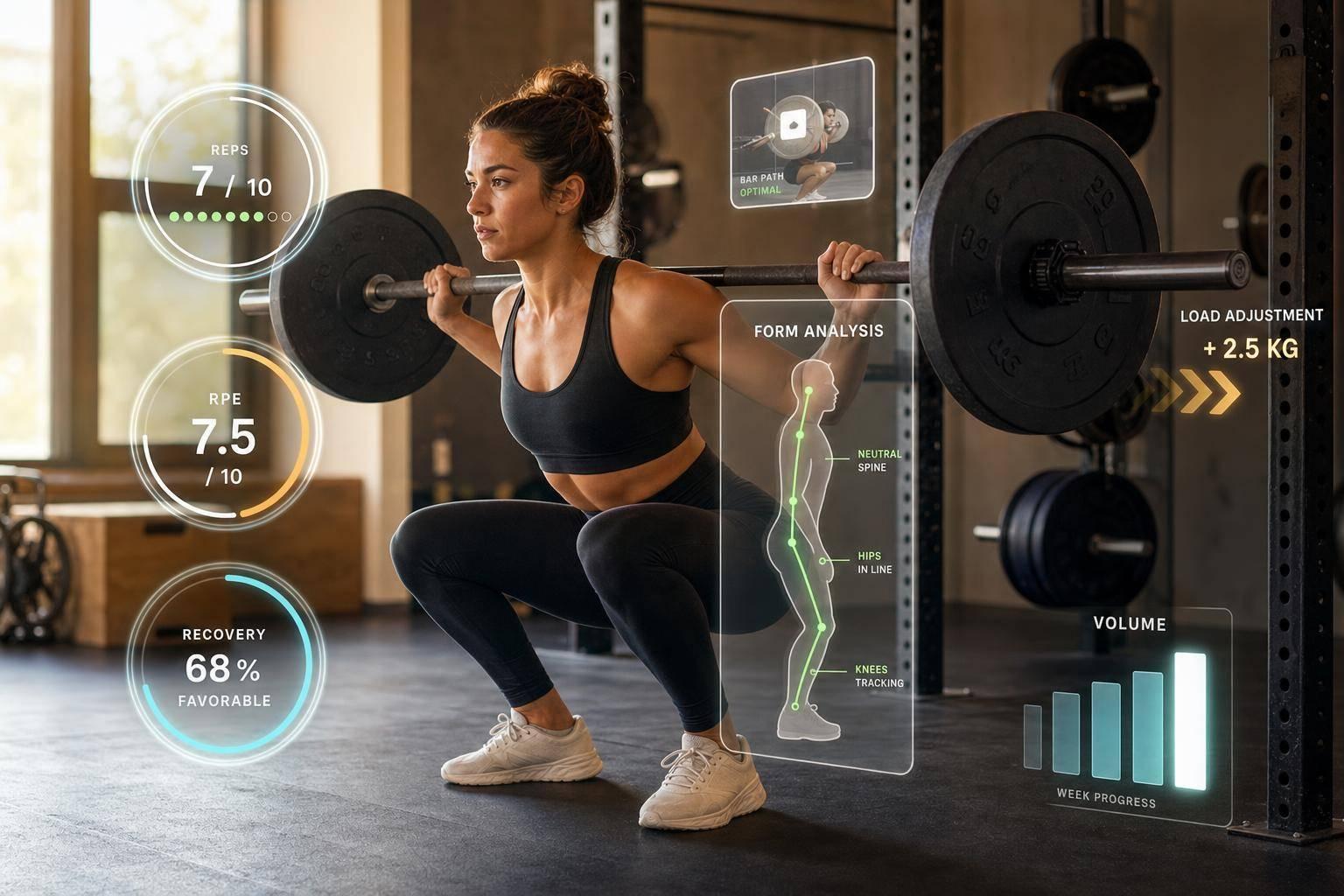
How AI tailors strength workouts using reps, RPE, video form and recovery to adapt load, volume and cues for beginners to advanced lifters.
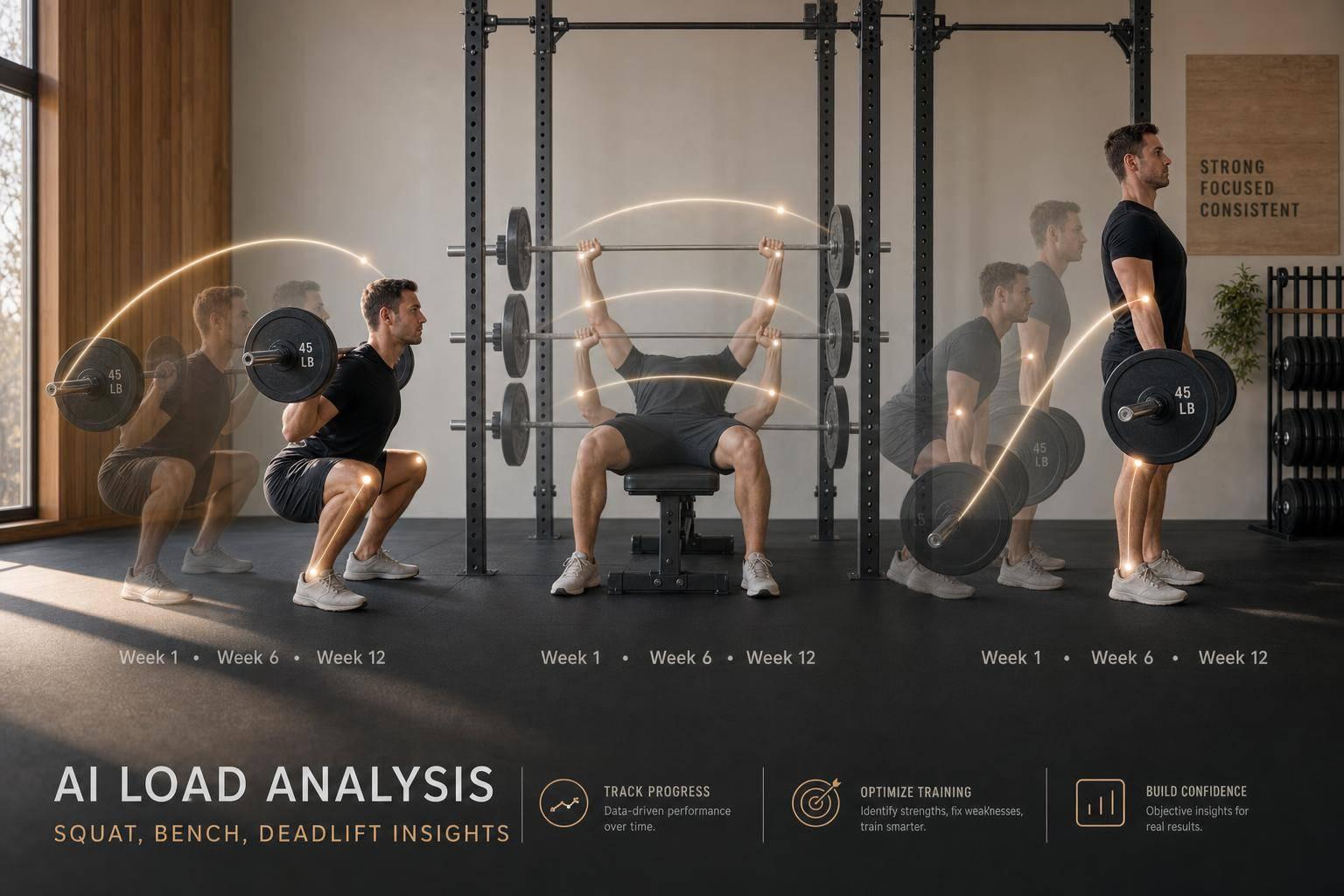
AI Load Analysis: Squat, Bench, Deadlift Insights
Video-based AI tracks bar speed, joint loading, and asymmetry in squat, bench, and deadlift—use trends over 6–12 weeks, not single reps.
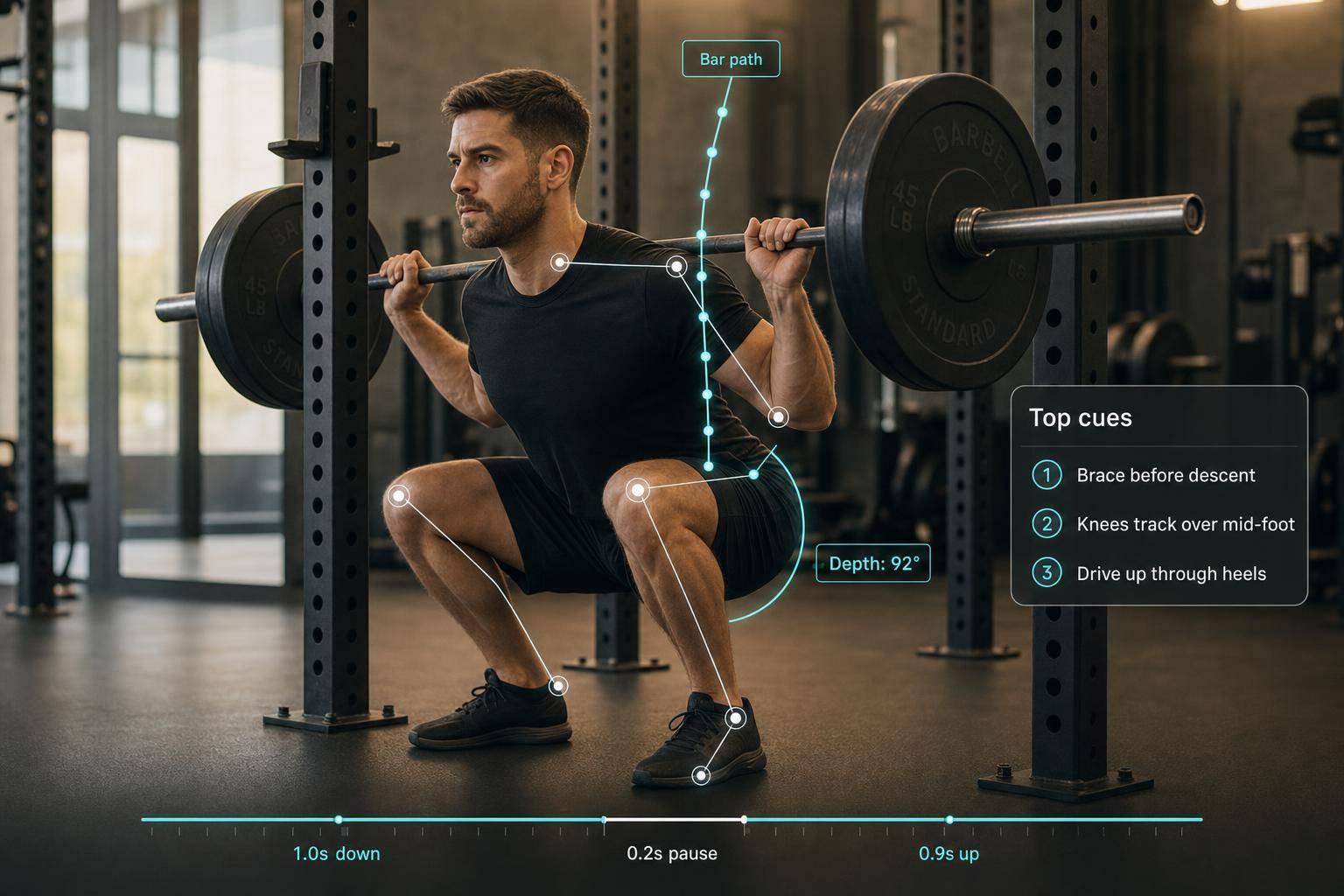
How AI Analyzes Squat, Bench, Deadlift Videos
AI turns phone video into rep-by-rep lift analysis—tracking joints, bar path, depth and tempo, then giving 1–3 prioritized coaching cues.
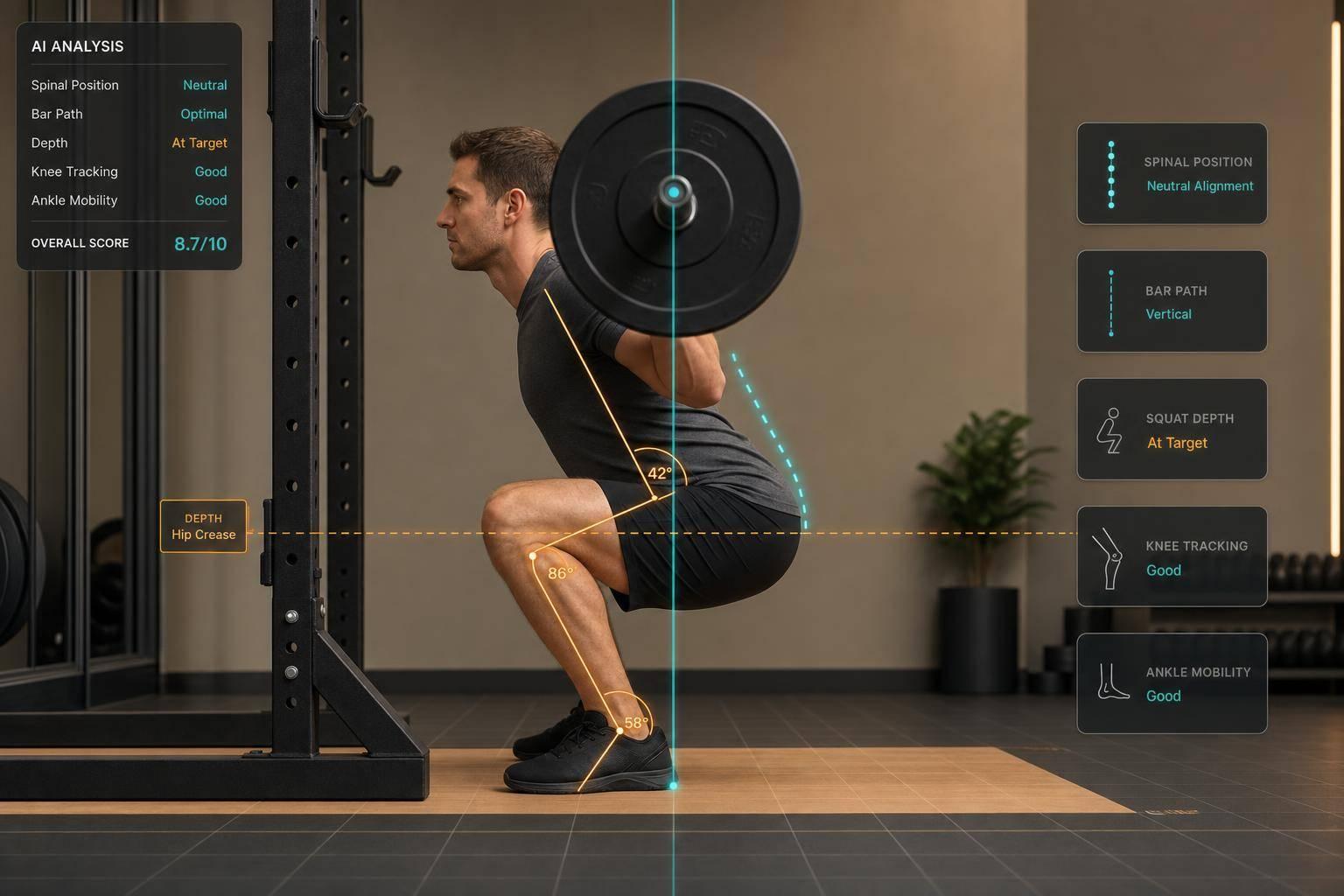
AI Tools for Analyzing Squat Spinal Positioning
Compare AI and coach-led apps for detecting lumbar rounding, forward lean, bar path, and depth in squats.
How AI Identifies Movement Errors in Workouts
AI converts workout videos into joint angles, bar path, and timing to flag repeat form faults and track progress.
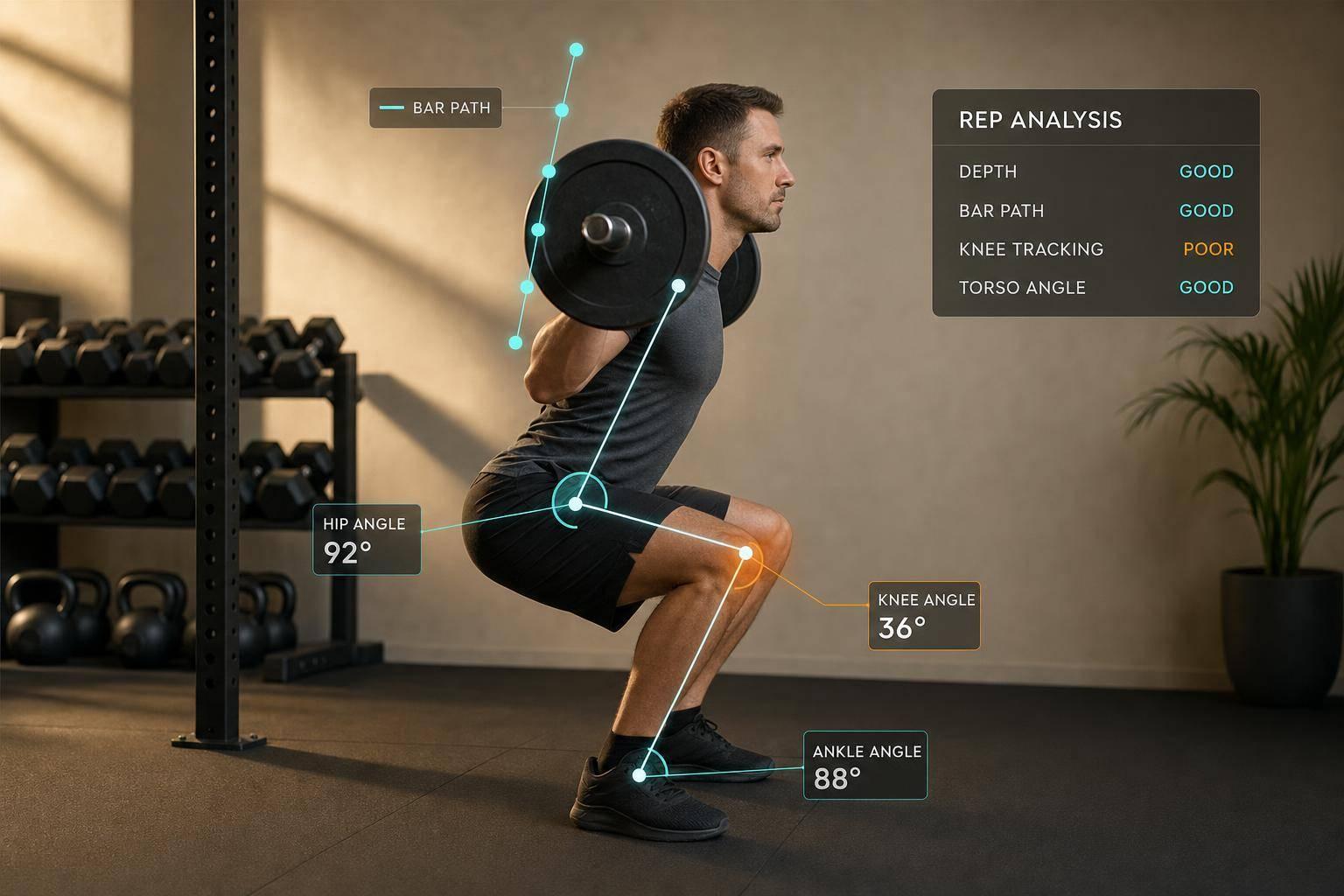
How AI Customizes Training Plans
Personalized workout plans that use your data, video form analysis, and daily readiness to auto-adjust intensity and prevent plateaus.
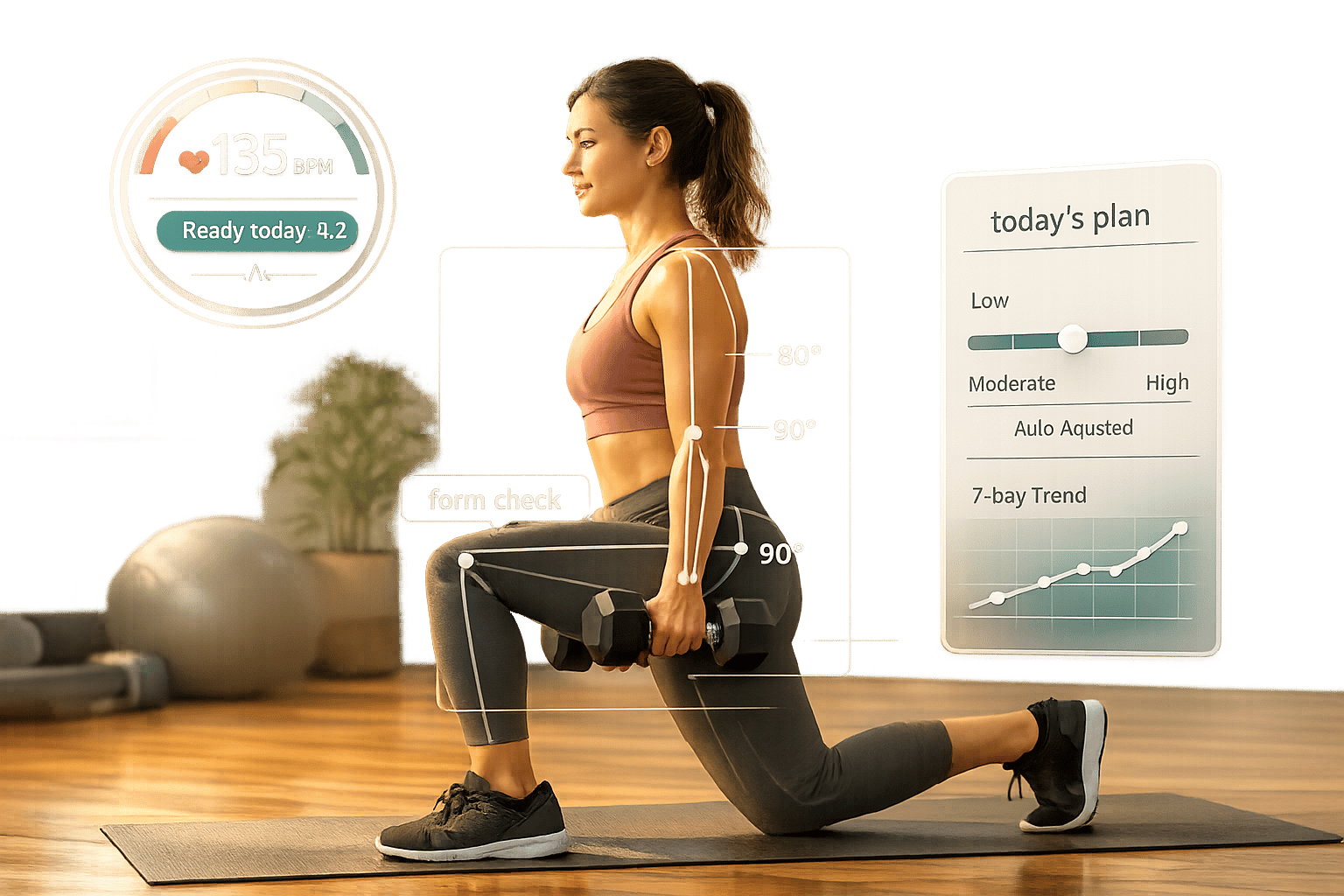
How Pose Estimation Powers Real-Time Form Feedback
On-device pose estimation analyzes joint angles and movement to deliver low-latency, coach-like exercise feedback and reduce injury risk.
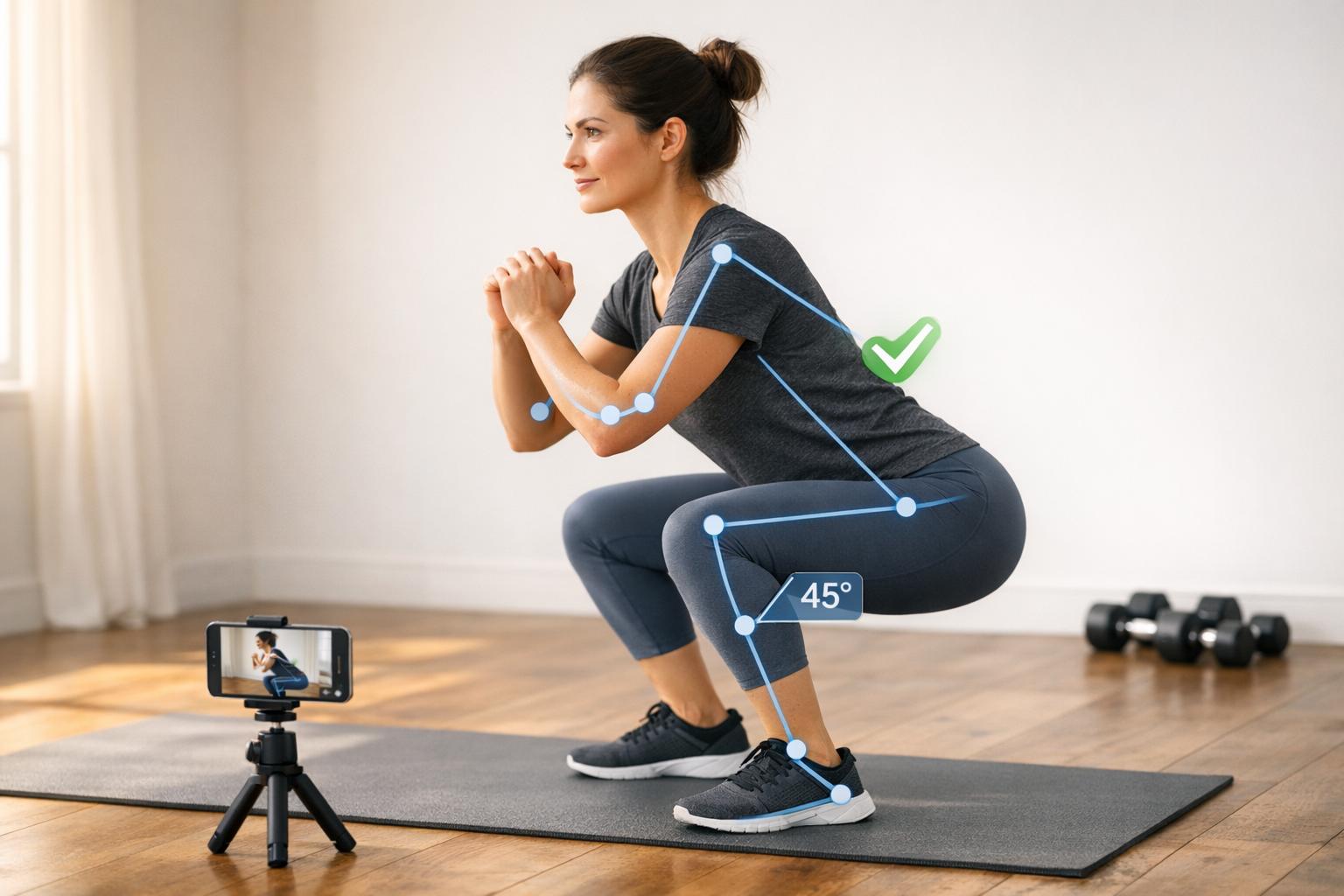
AI-Powered Pose Tracking for Injury-Free Workouts
Real-time AI pose tracking analyzes form with a phone camera, corrects technique, and reduces injury risk during lifts.
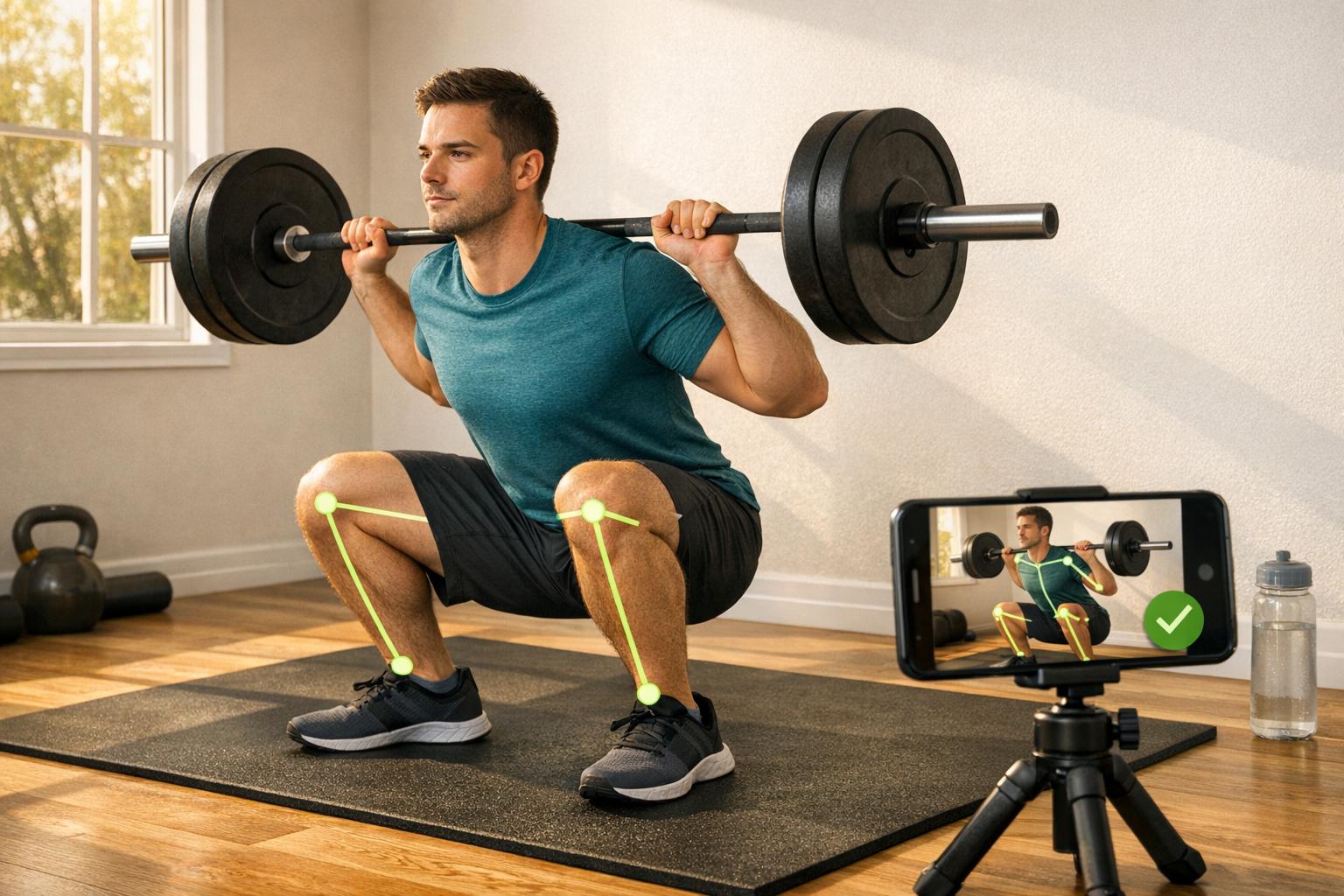
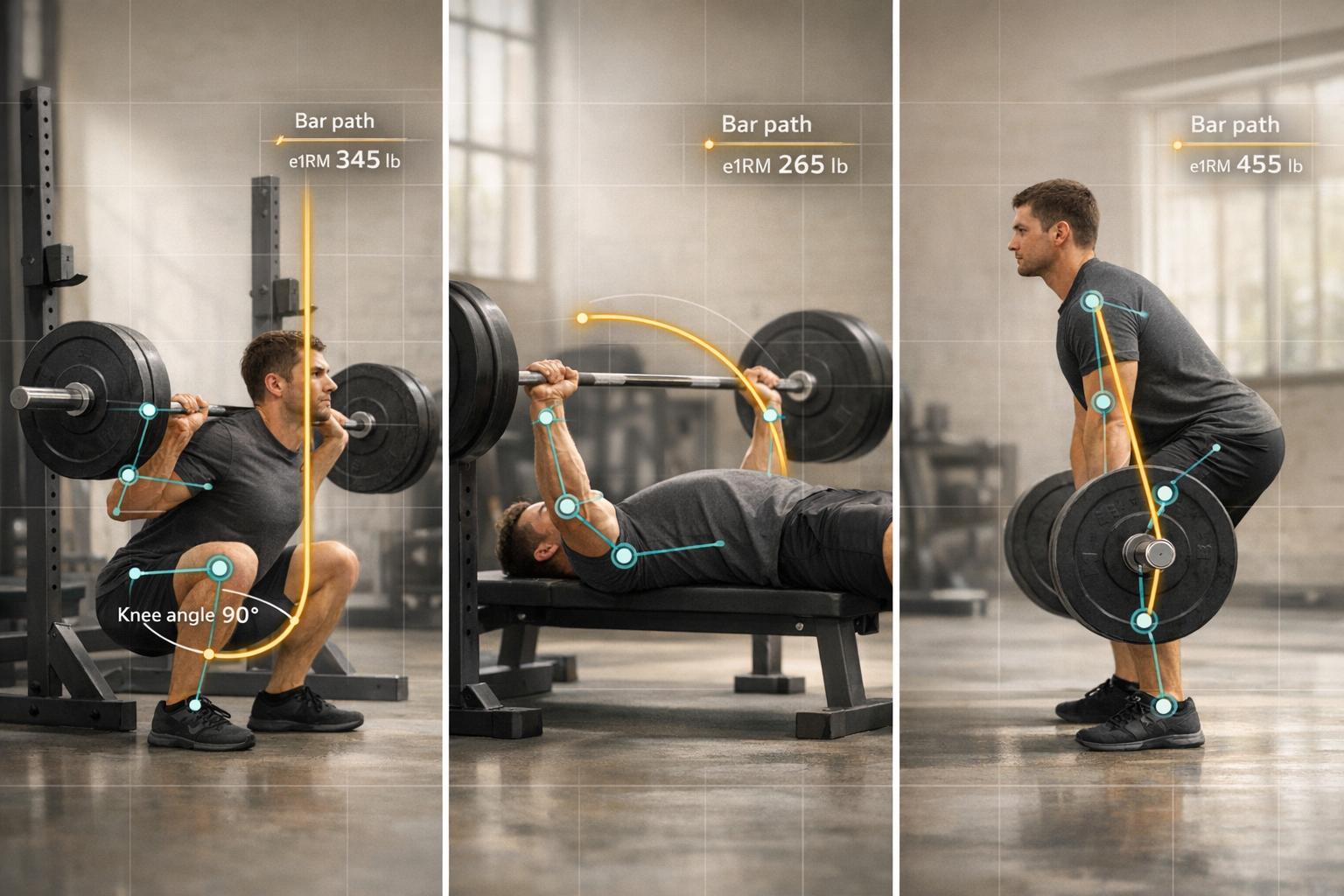
How AI Tracks Squat, Bench, Deadlift Progress
AI analyzes training videos to track joint angles, bar path, e1RM and technique, cutting injury risk and boosting strength.
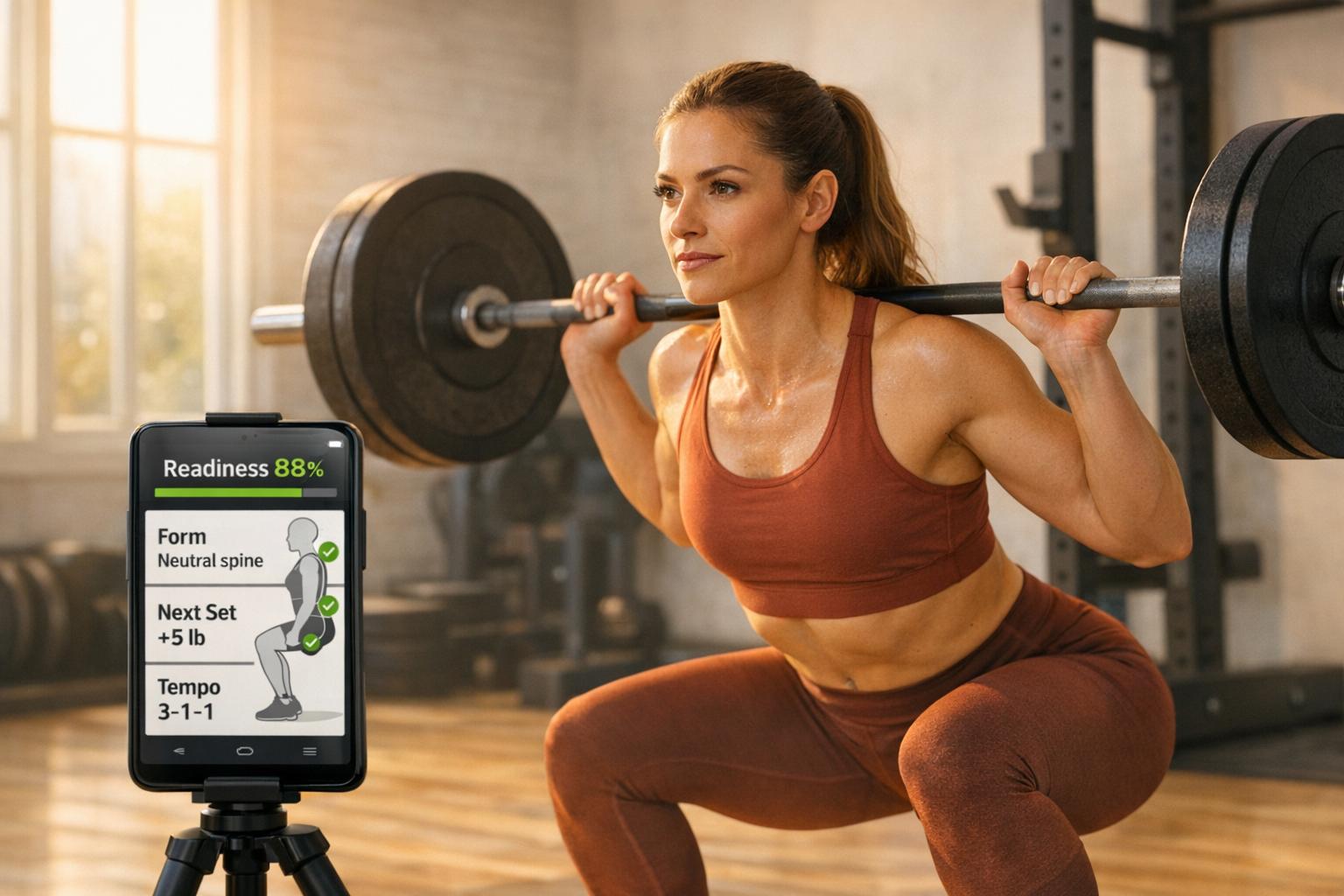
How AI Adapts Workouts to Your Strength Goals
AI analyzes your form, recovery, and readiness to adjust strength workouts in real time for safer, faster progress.
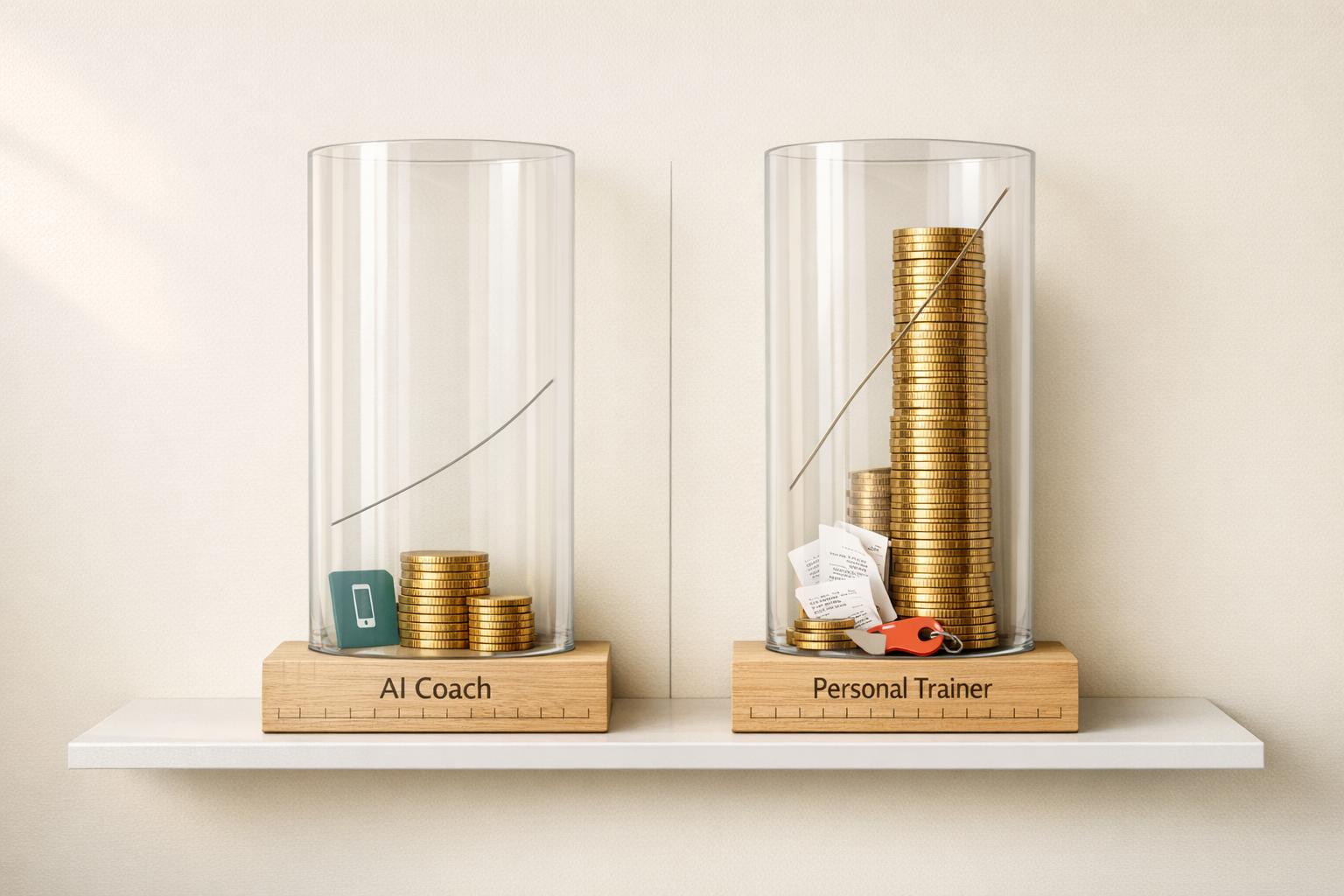
AI Coach vs Personal Trainer: Cost Comparison
Compare AI coaching and personal training costs: CueForm's subscription and per-check prices, trainer session rates, and the fees trainers often add.
Ultimate Guide to Fitness App Gamification
Gamification turns fitness apps into habit-forming tools by using badges, streaks, points, and AI feedback to boost activity and retention.

Progressive Overload for Squats, Bench, Deadlift Safety
How to apply progressive overload safely for squats, bench press, and deadlifts—focus on form, small weight jumps, recovery, and form checks.