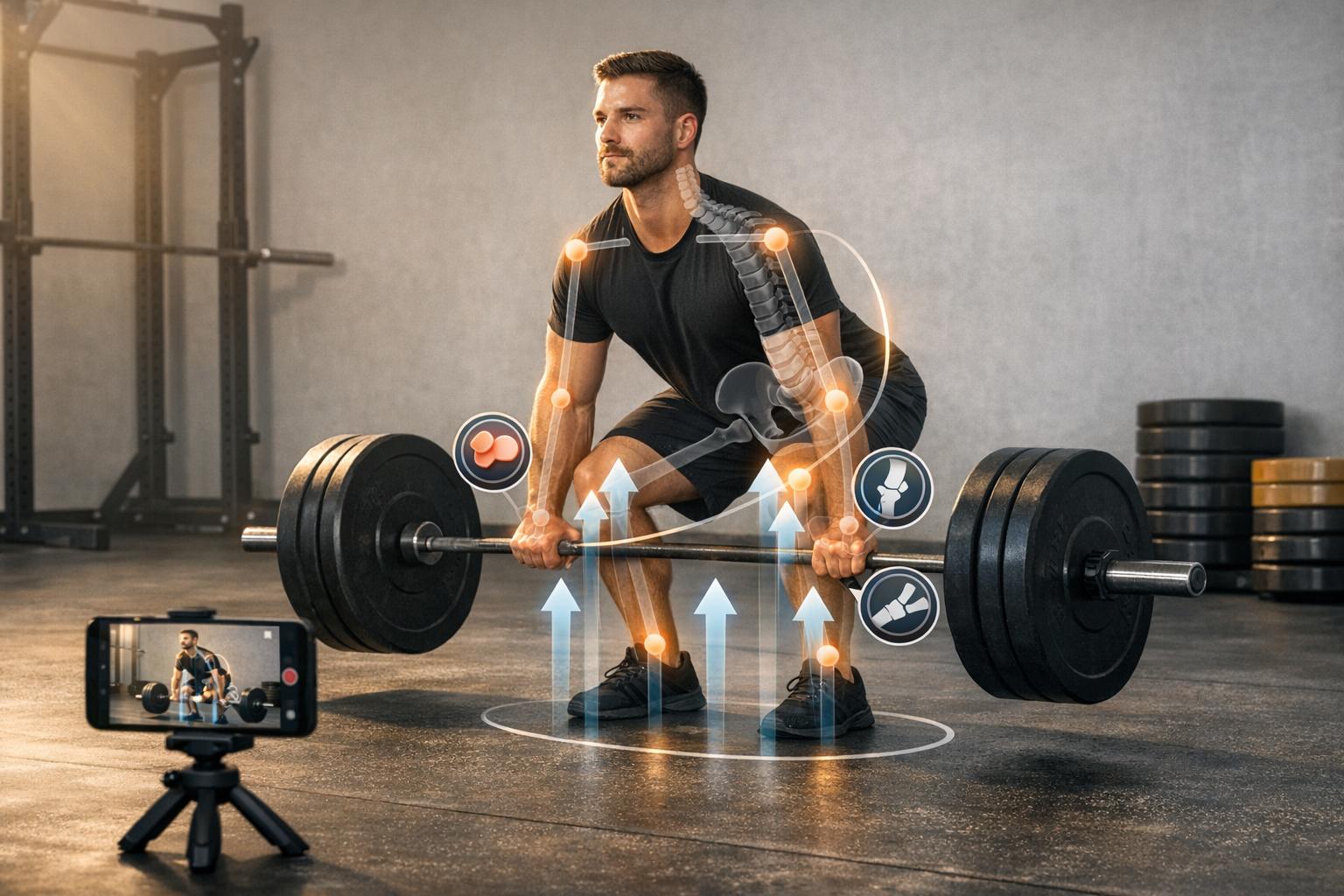
Tag: Strength
How AI Adjusts Workouts for All Levels
How AI tailors strength workouts using reps, RPE, video form and recovery to adapt load, volume and cues for beginners to advanced lifters.
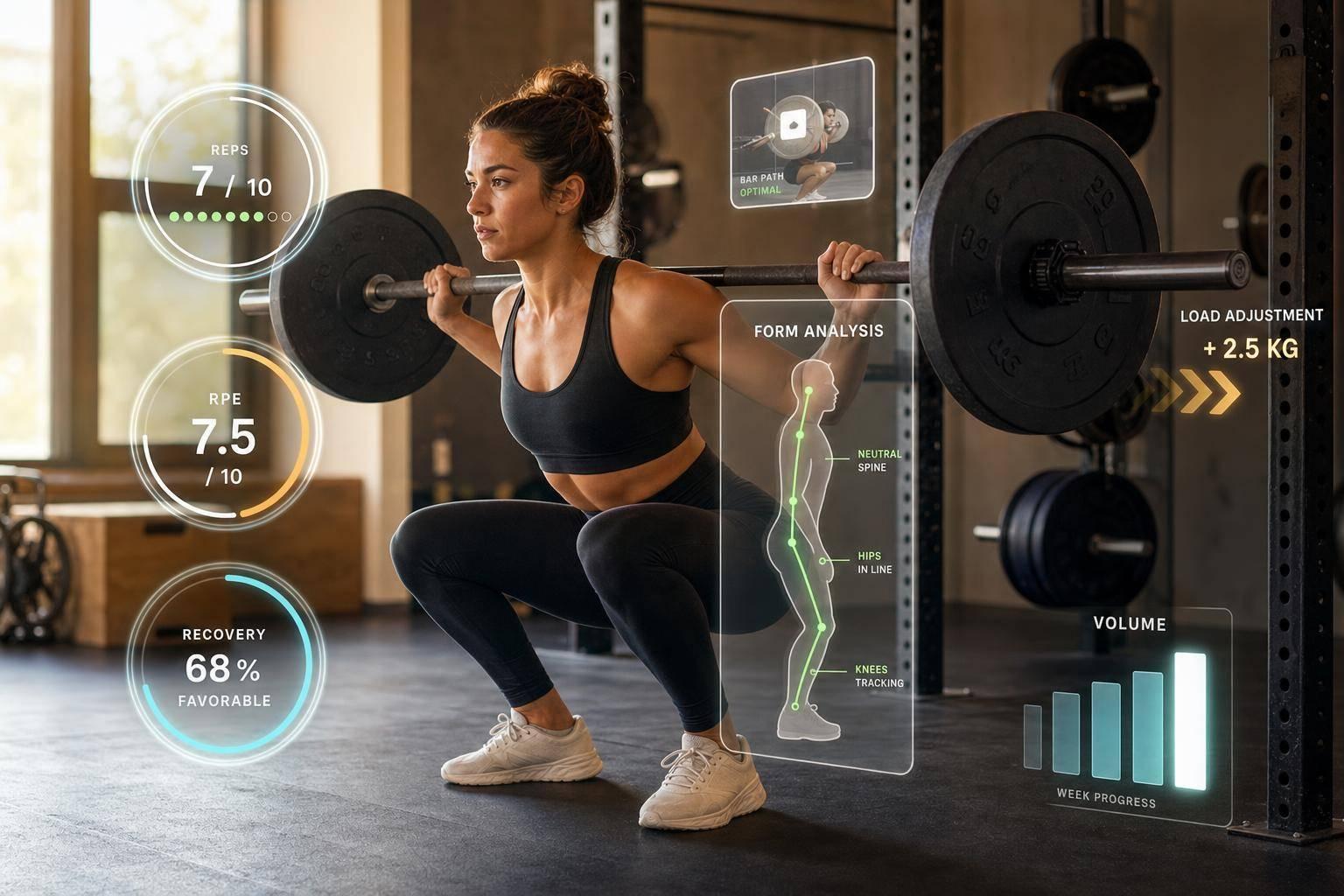
AI Load Analysis: Squat, Bench, Deadlift Insights
Video-based AI tracks bar speed, joint loading, and asymmetry in squat, bench, and deadlift—use trends over 6–12 weeks, not single reps.
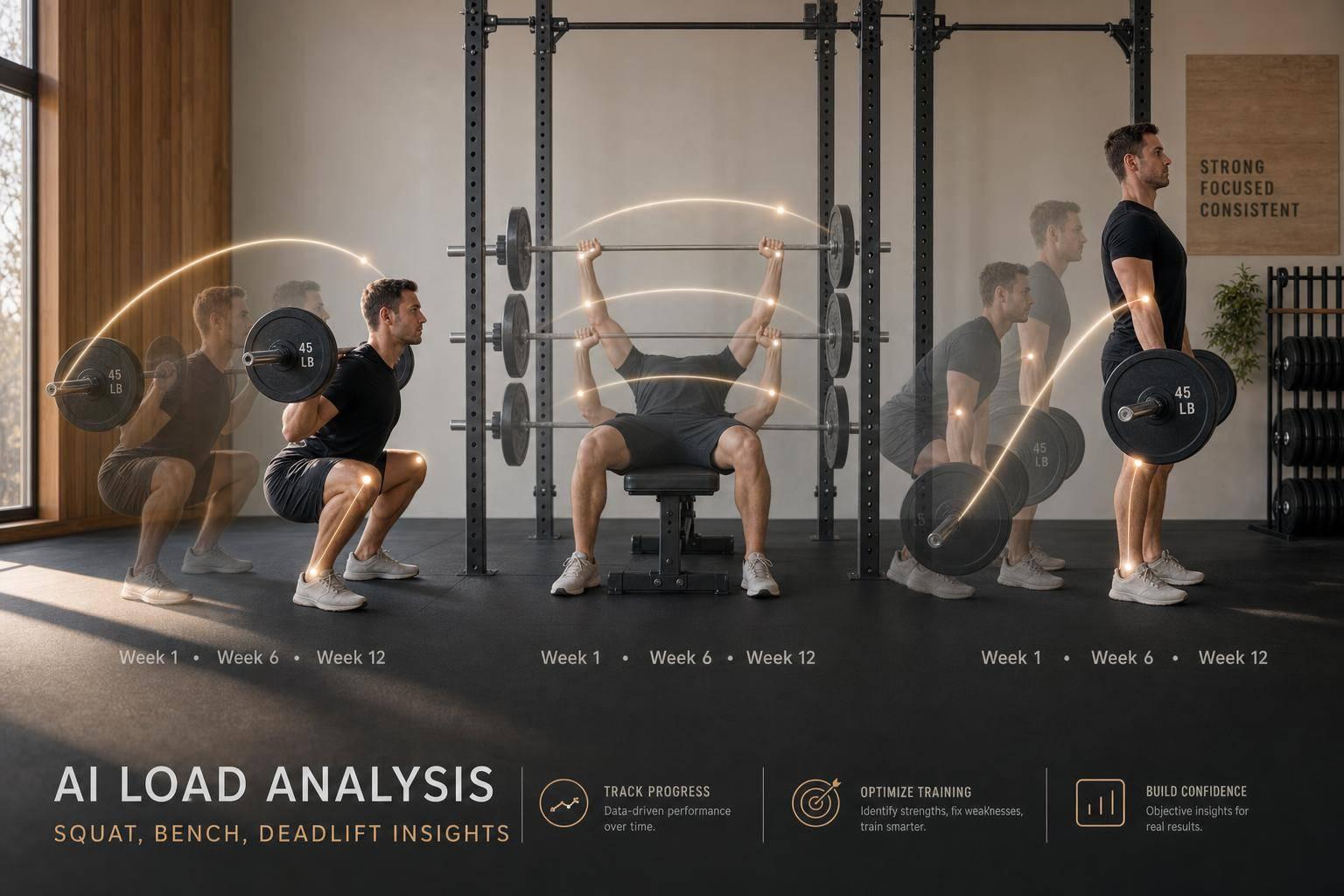
How AI Analyzes Squat, Bench, Deadlift Videos
AI turns phone video into rep-by-rep lift analysis—tracking joints, bar path, depth and tempo, then giving 1–3 prioritized coaching cues.
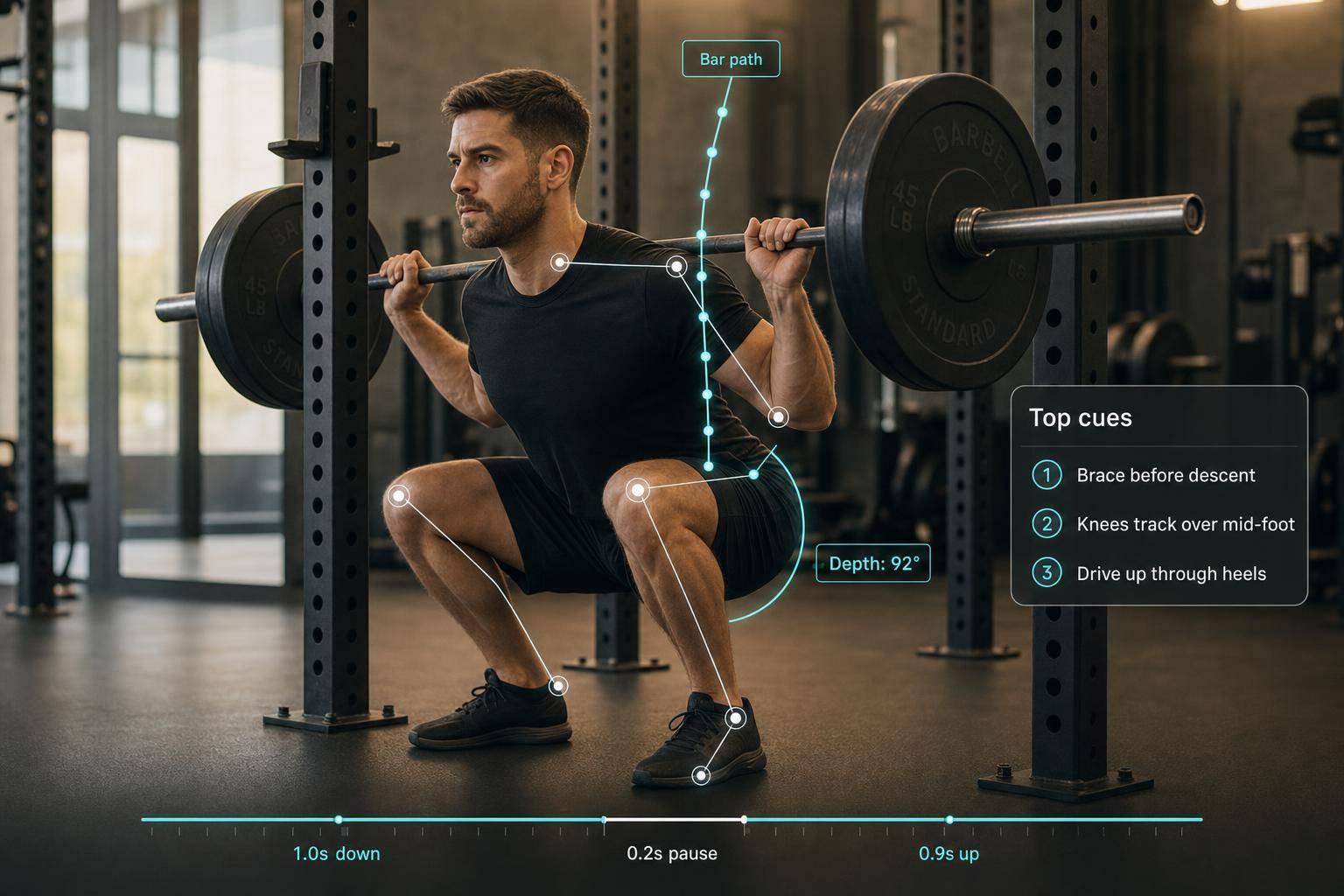
AI Tools for Analyzing Squat Spinal Positioning
Compare AI and coach-led apps for detecting lumbar rounding, forward lean, bar path, and depth in squats.
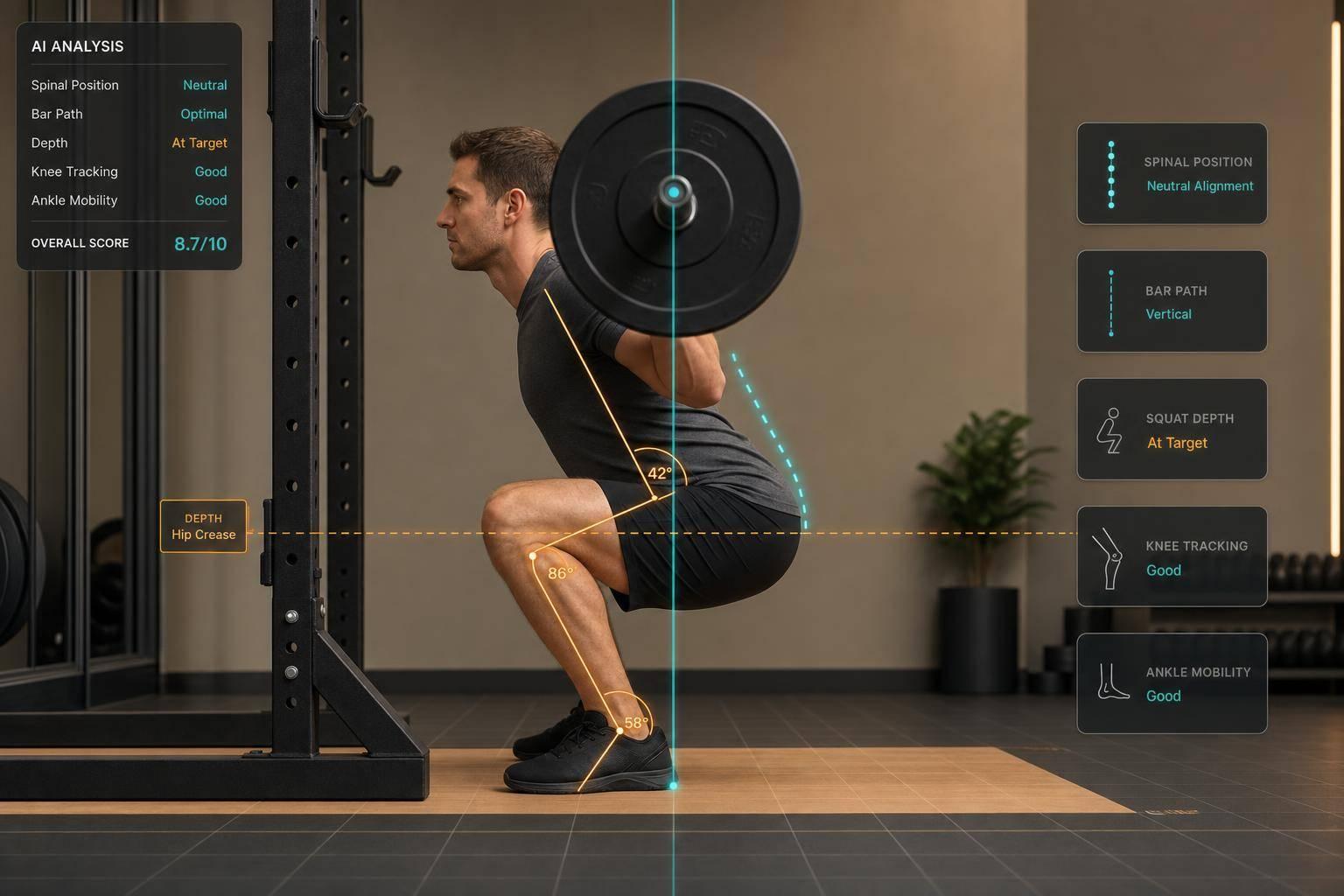
Top 5 Form Errors in Compound Lifts
Small form mistakes in squats, bench, and deadlifts shift load to joints — fix bracing, foot pressure, bar path, upper-back, and setup.
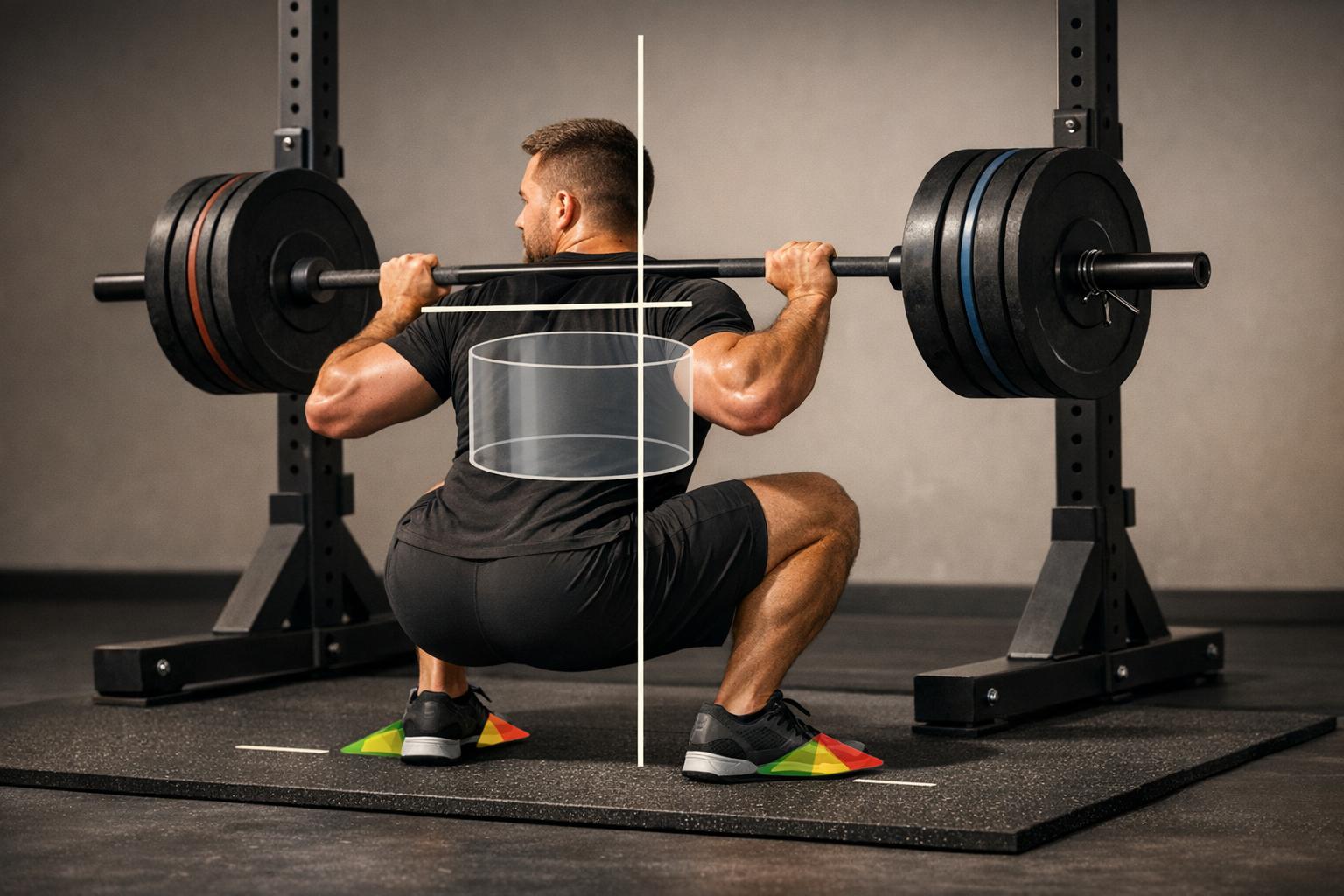
How Warm-Ups Prevent Lifting Injuries
Warm-ups are essential — they cut injury risk, boost strength and mobility, and fix technique before heavy lifts.
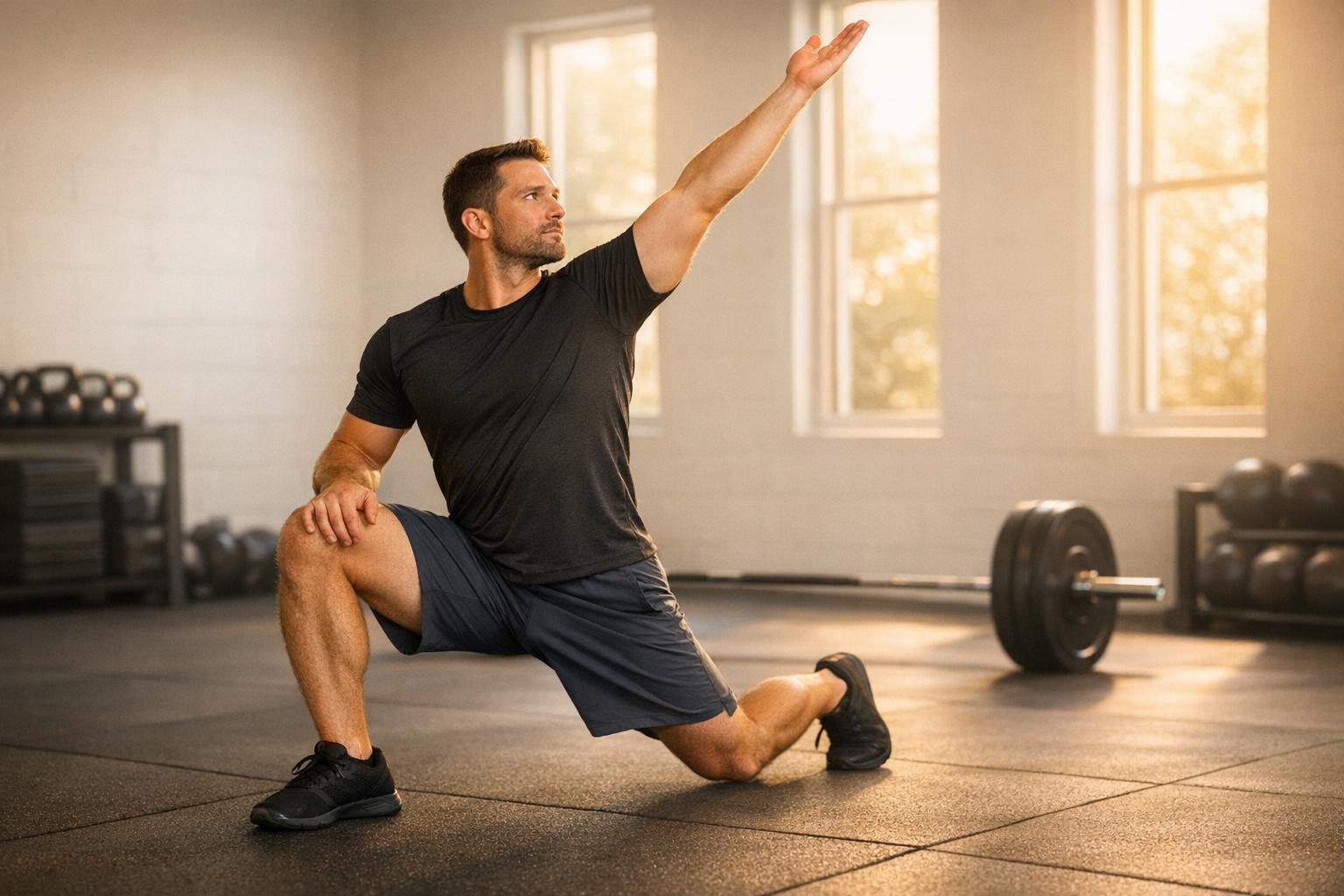
Breathing and Bracing for Squats and Deadlifts
Learn diaphragmatic breathing, 360° bracing, belt use, and drills to protect your spine and increase squat and deadlift strength.
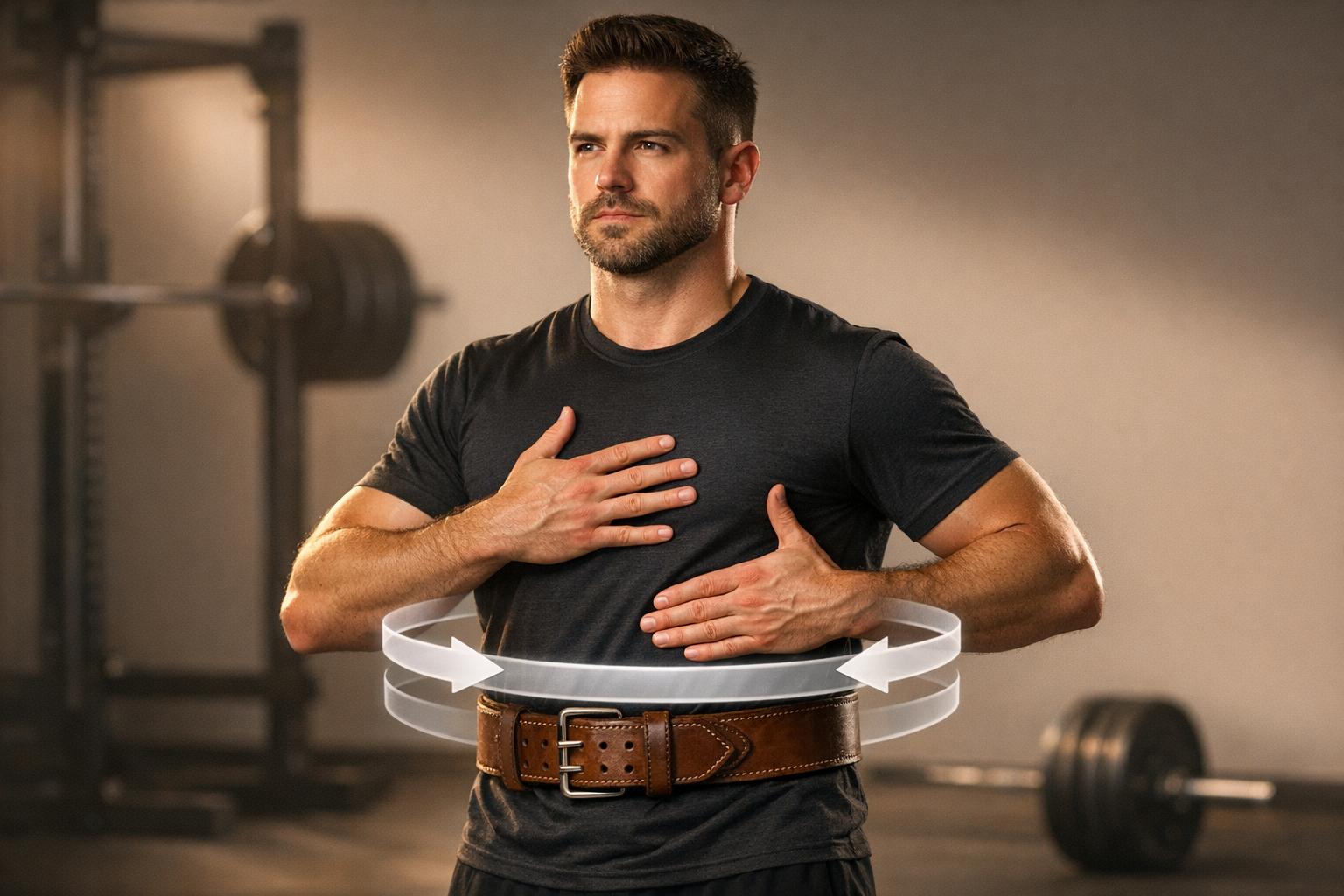
How AI Customizes Training Plans
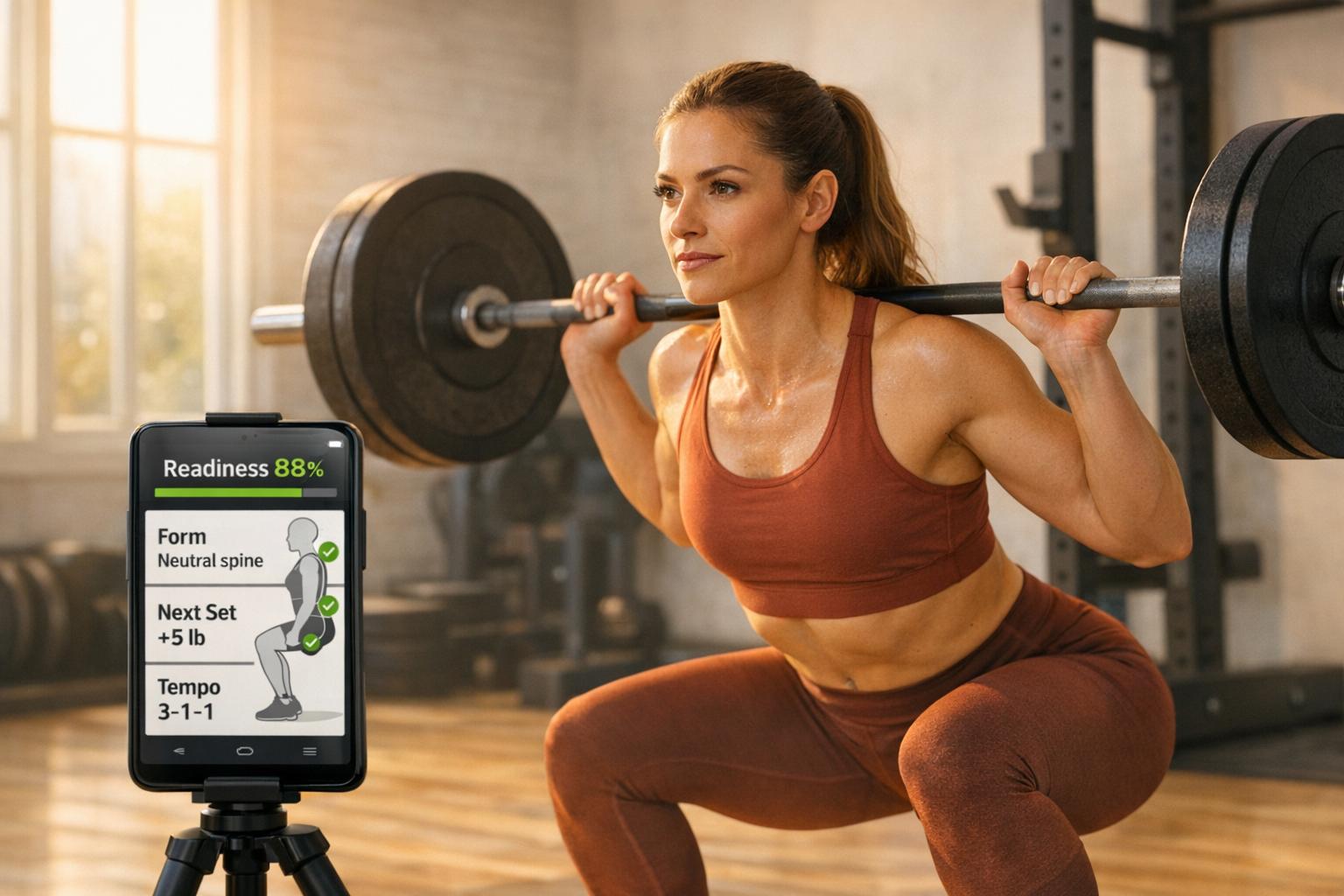
Personalized workout plans that use your data, video form analysis, and daily readiness to auto-adjust intensity and prevent plateaus.
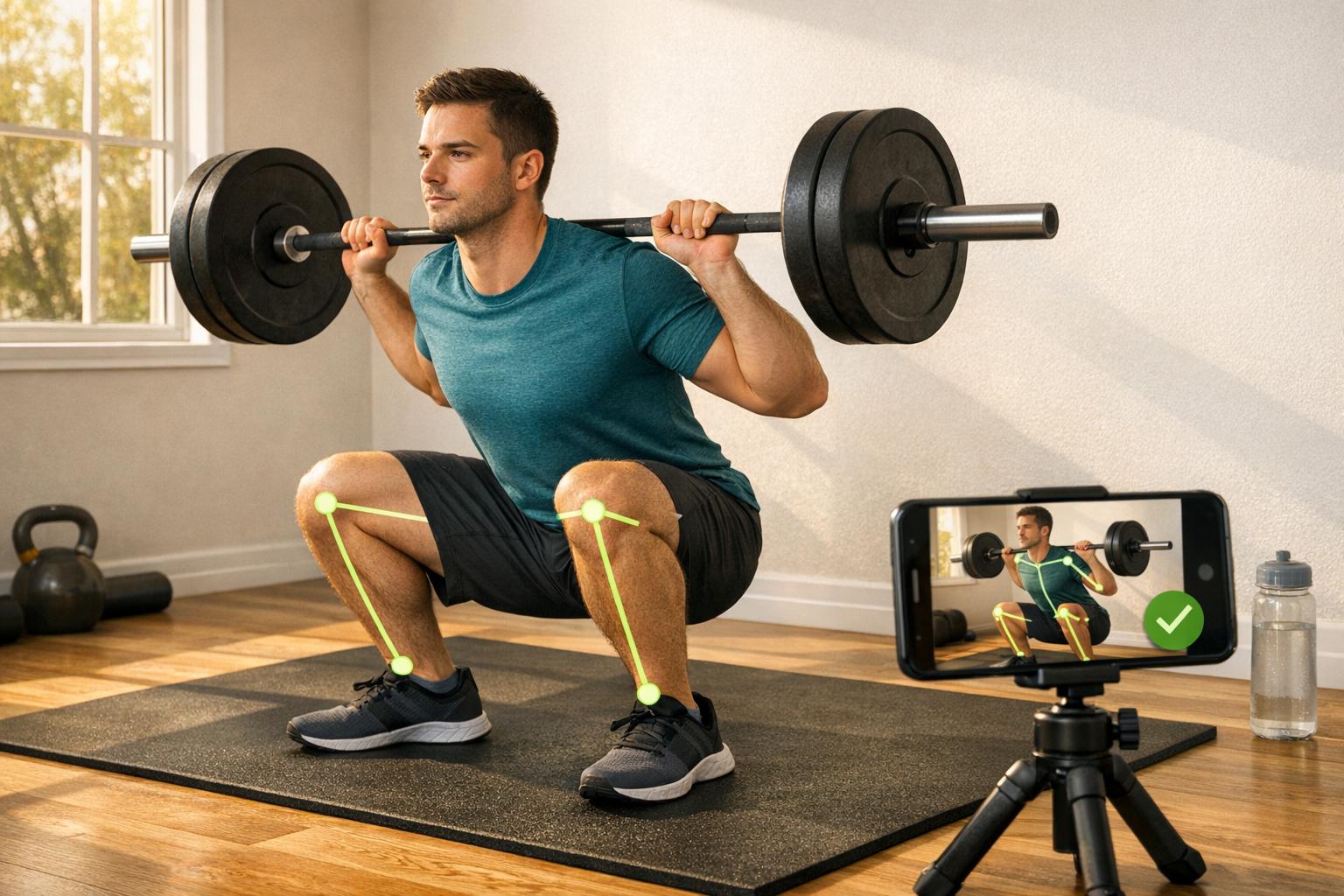
AI-Powered Pose Tracking for Injury-Free Workouts
Real-time AI pose tracking analyzes form with a phone camera, corrects technique, and reduces injury risk during lifts.
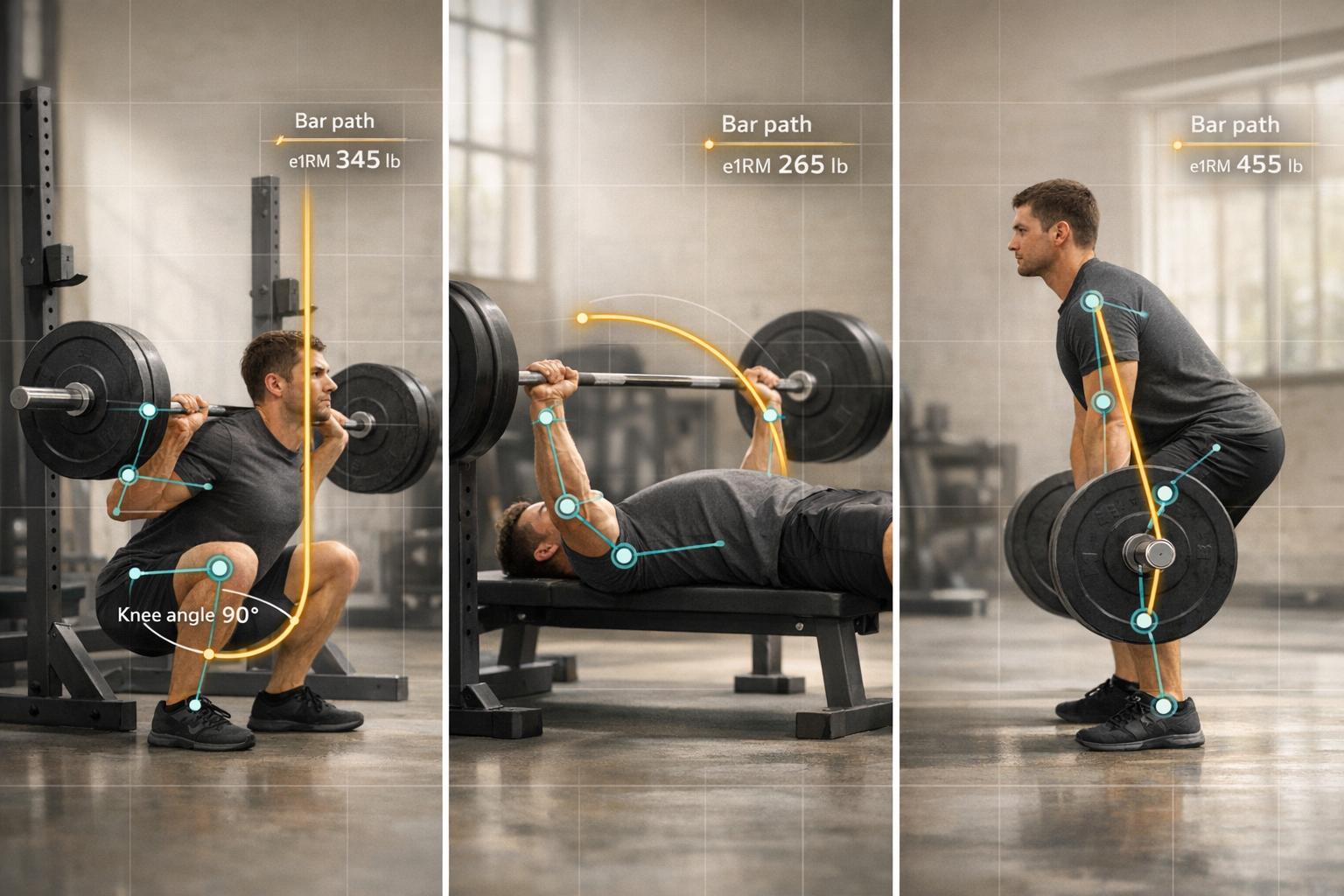
How AI Tracks Squat, Bench, Deadlift Progress
AI analyzes training videos to track joint angles, bar path, e1RM and technique, cutting injury risk and boosting strength.
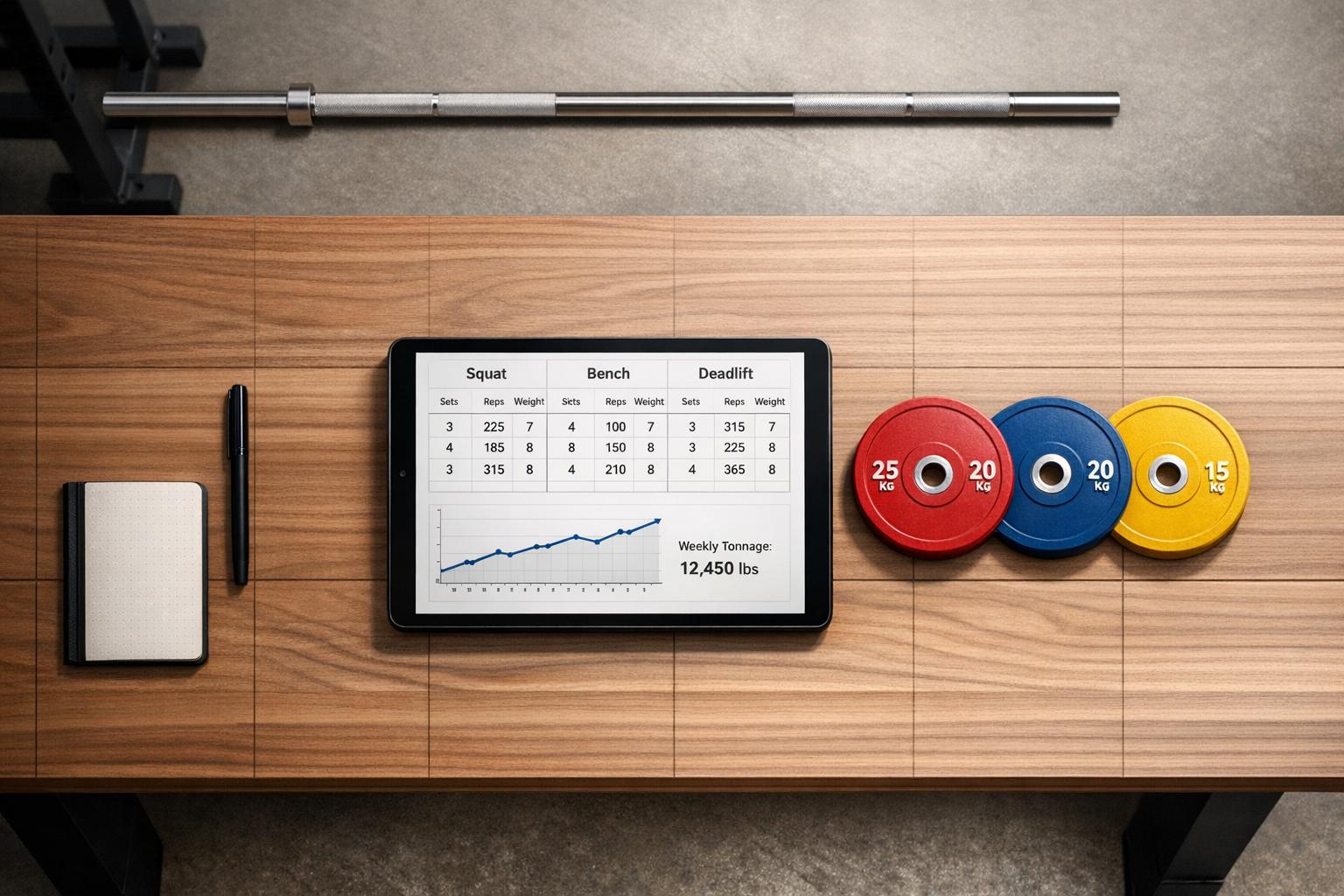
Tracking Volume for Squat, Bench, and Deadlift
Log working sets, reps, weight and RPE to calculate weekly tonnage, progress by 2–5%, and avoid overtraining.
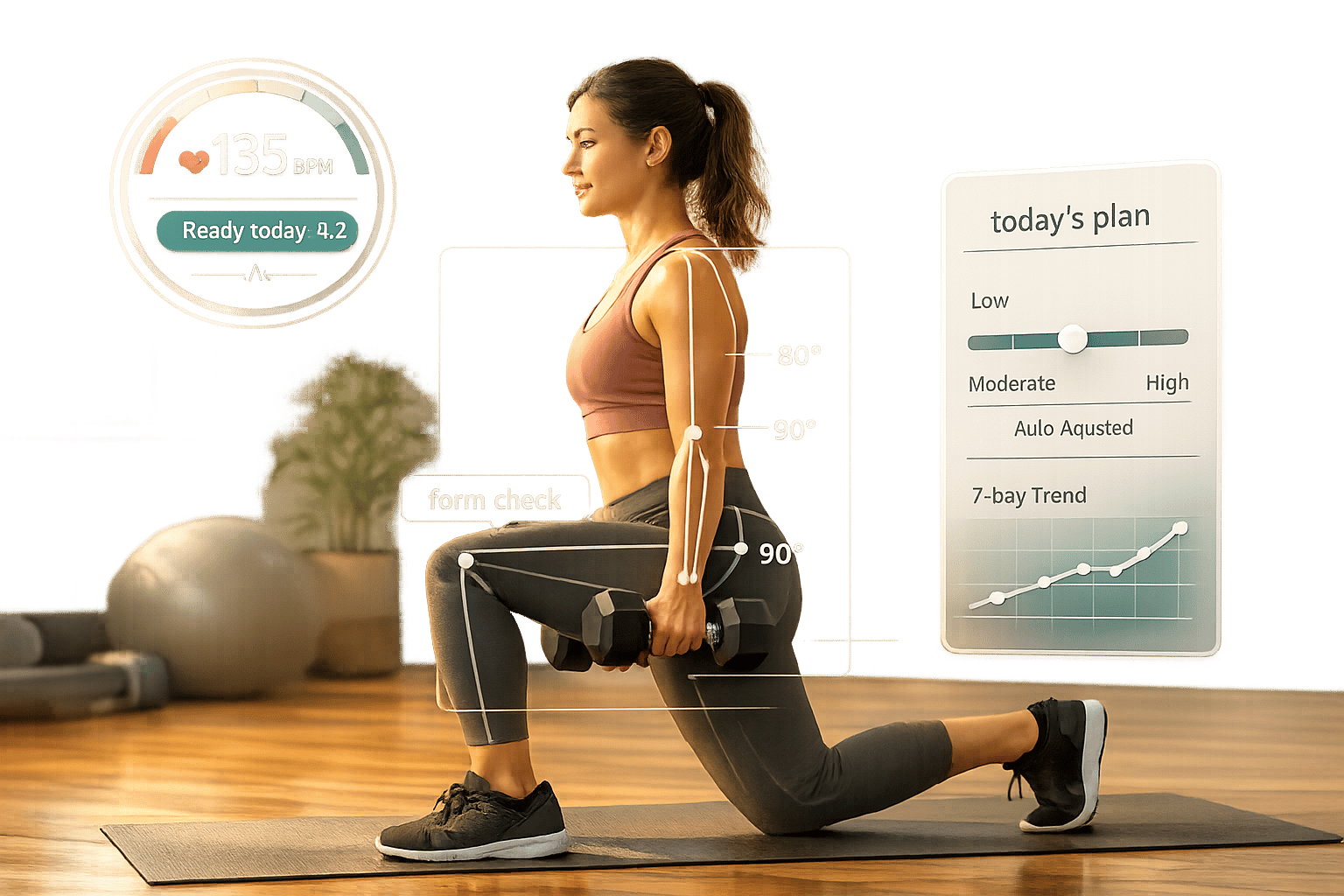
How AI Adapts Workouts to Your Strength Goals
AI analyzes your form, recovery, and readiness to adjust strength workouts in real time for safer, faster progress.
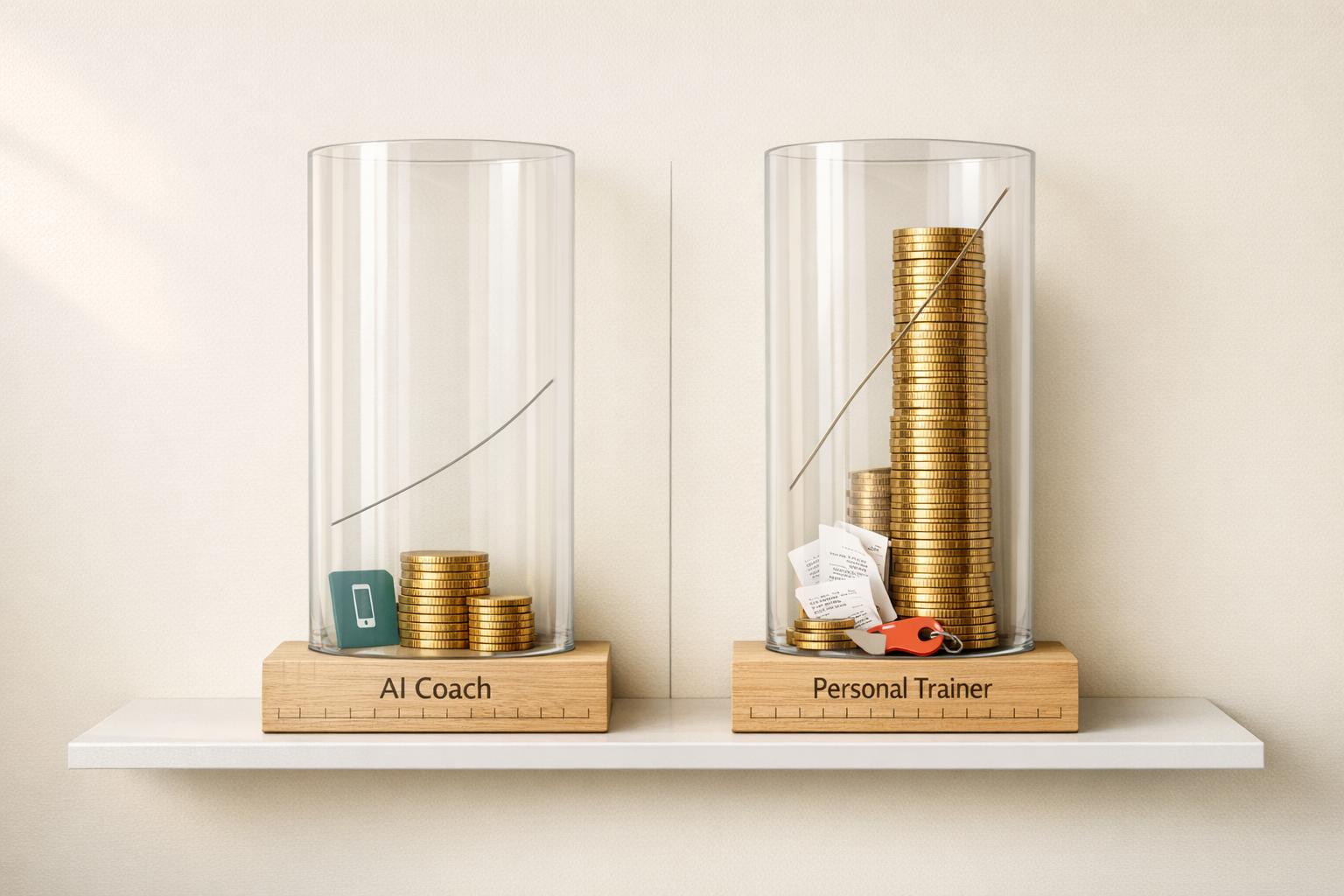
AI Coach vs Personal Trainer: Cost Comparison
Compare AI coaching and personal training costs: CueForm's subscription and per-check prices, trainer session rates, and the fees trainers often add.
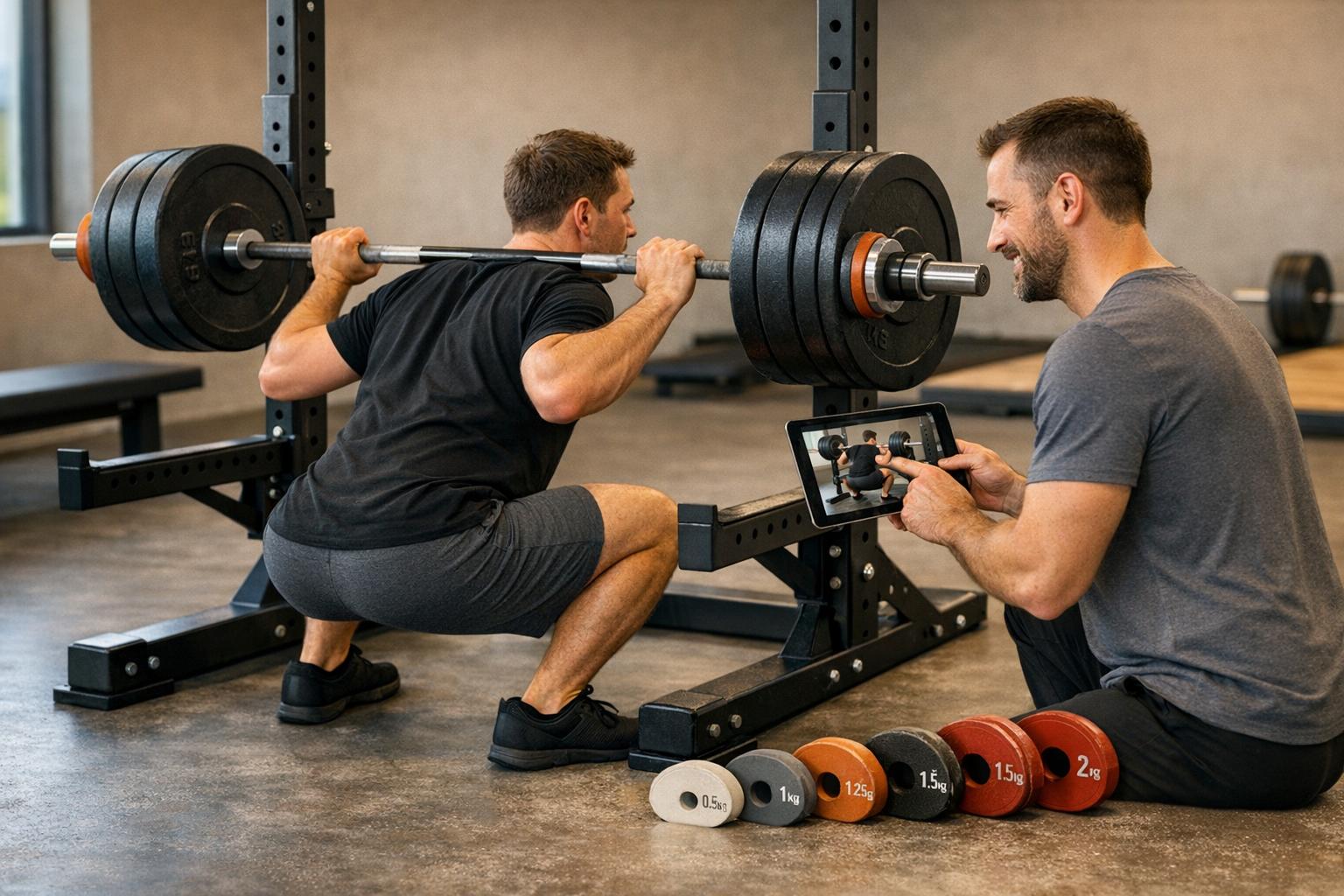
Progressive Overload for Squats, Bench, Deadlift Safety
How to apply progressive overload safely for squats, bench press, and deadlifts—focus on form, small weight jumps, recovery, and form checks.
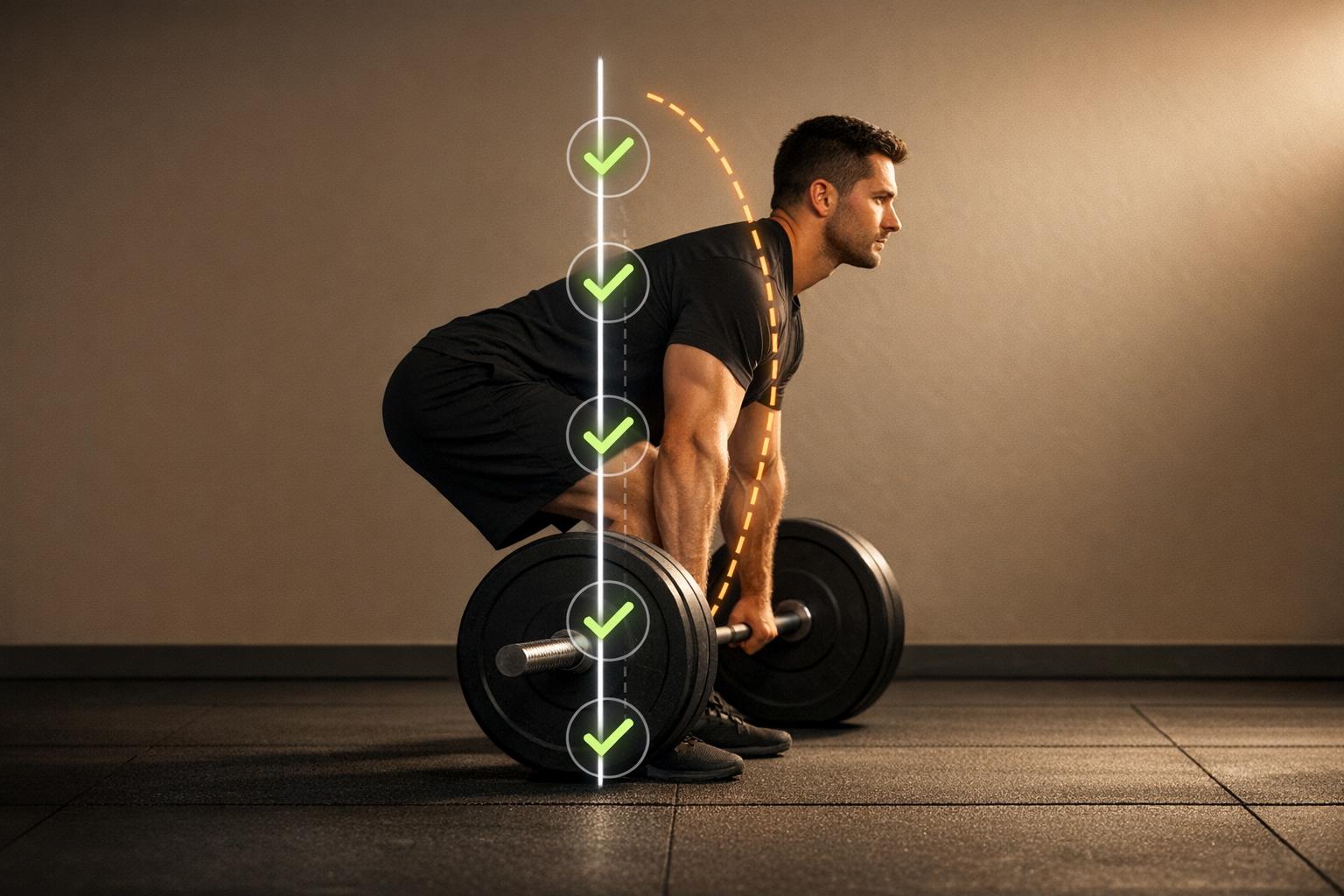
Bar Path vs. Repetition Quality: Key Differences
Compare bar path and repetition quality to improve lift efficiency, reduce injury risk, and get clear AI-backed technique feedback.
HRV Monitoring for Squat, Bench, and Deadlift
Use morning HRV to auto-adjust intensity for squats, bench, and deadlifts—push on high-readiness, taper or rest on low HRV.
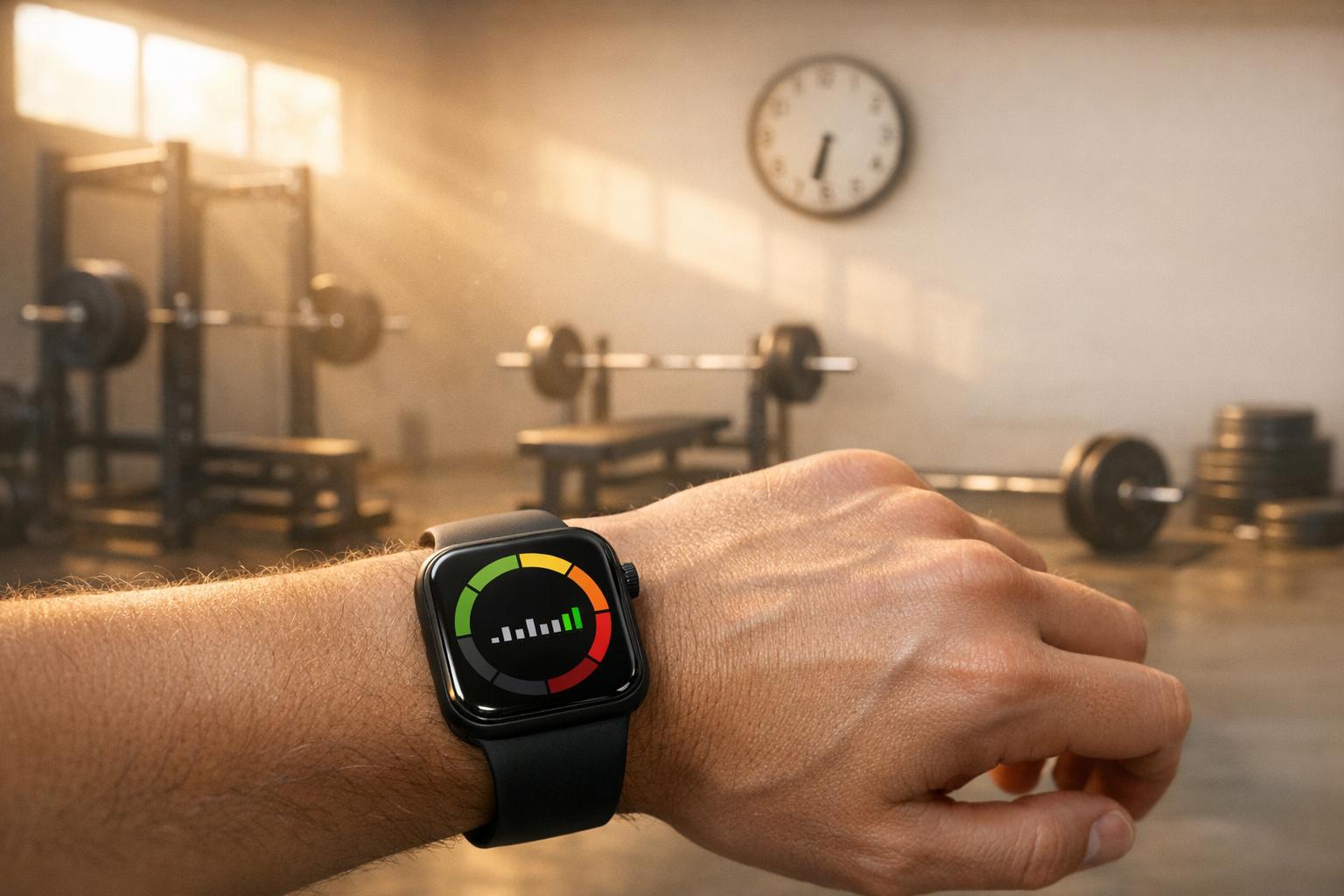
Real-Time Form Correction: Benefits for Lifters
AI-powered real-time form feedback improves strength, reduces injuries, and corrects technique during every rep using your smartphone.
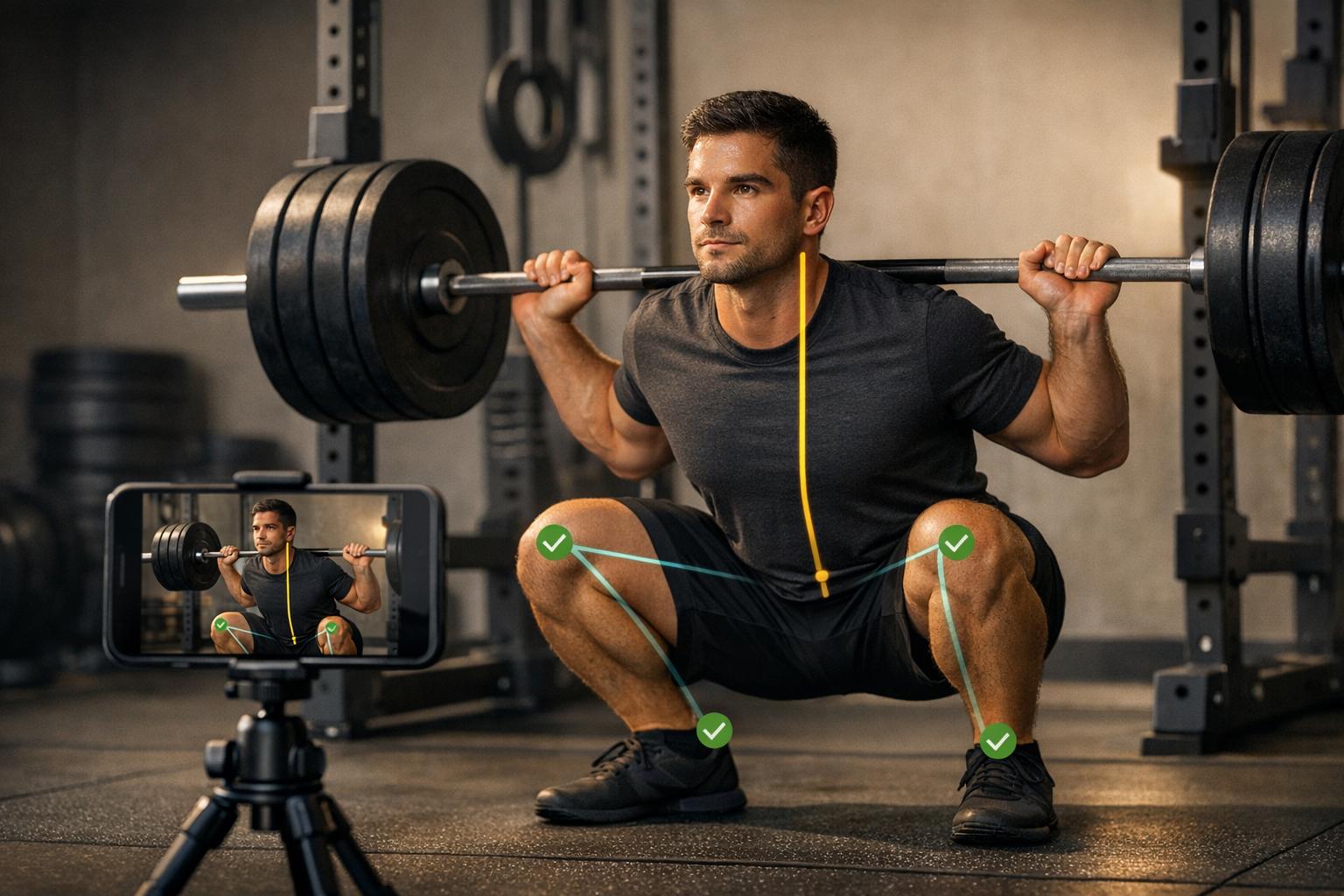
Joint Adaptation in Progressive Overload: What Science Says
How joints, tendons, and the nervous system adapt to progressive overload—and safe ways to increase weight or reps.
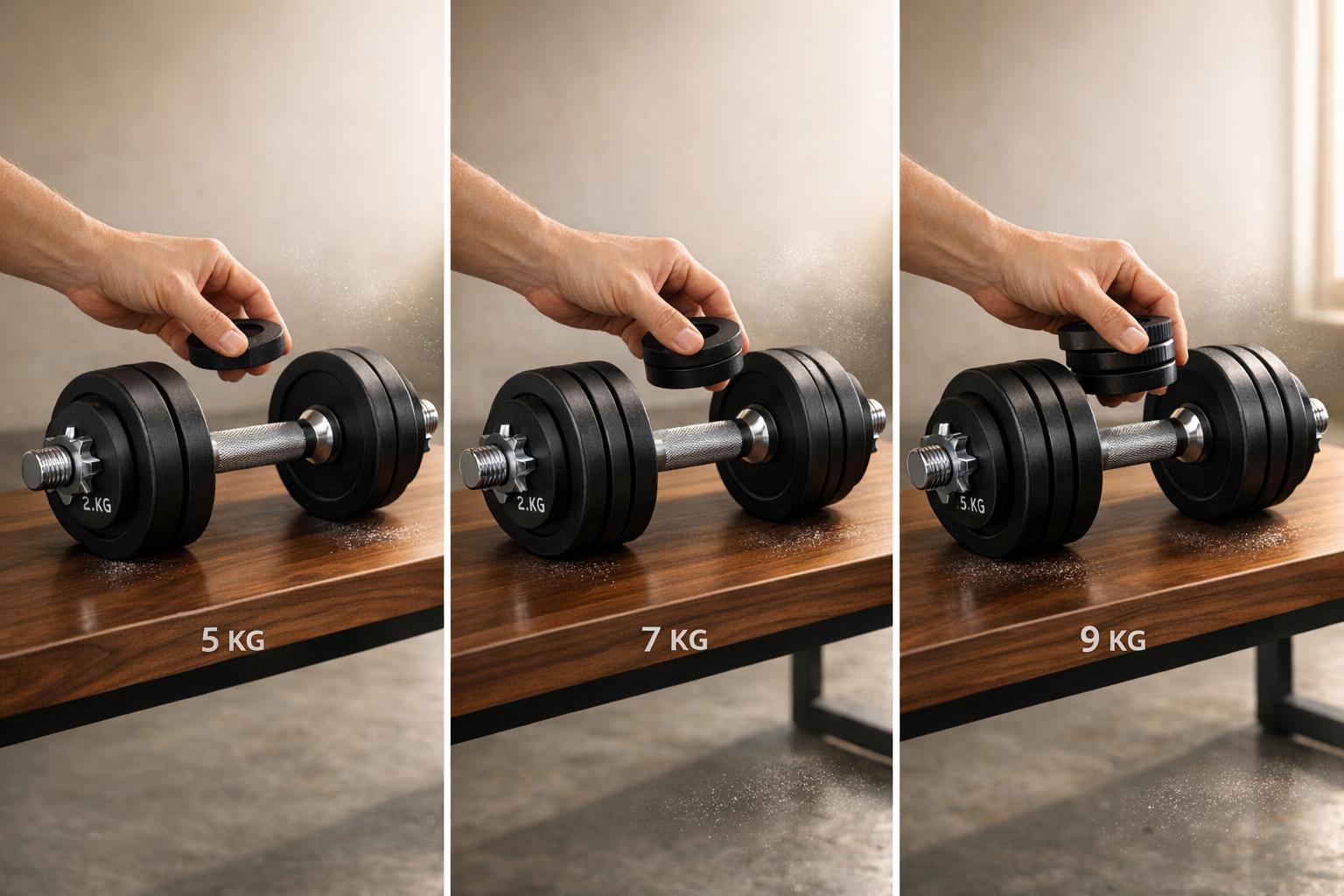
AI in Strength Training: Progress Tracking Explained
How AI tracks 1RM, bar speed, form and recovery to autoregulate workouts, measure progress, and lower injury risk.
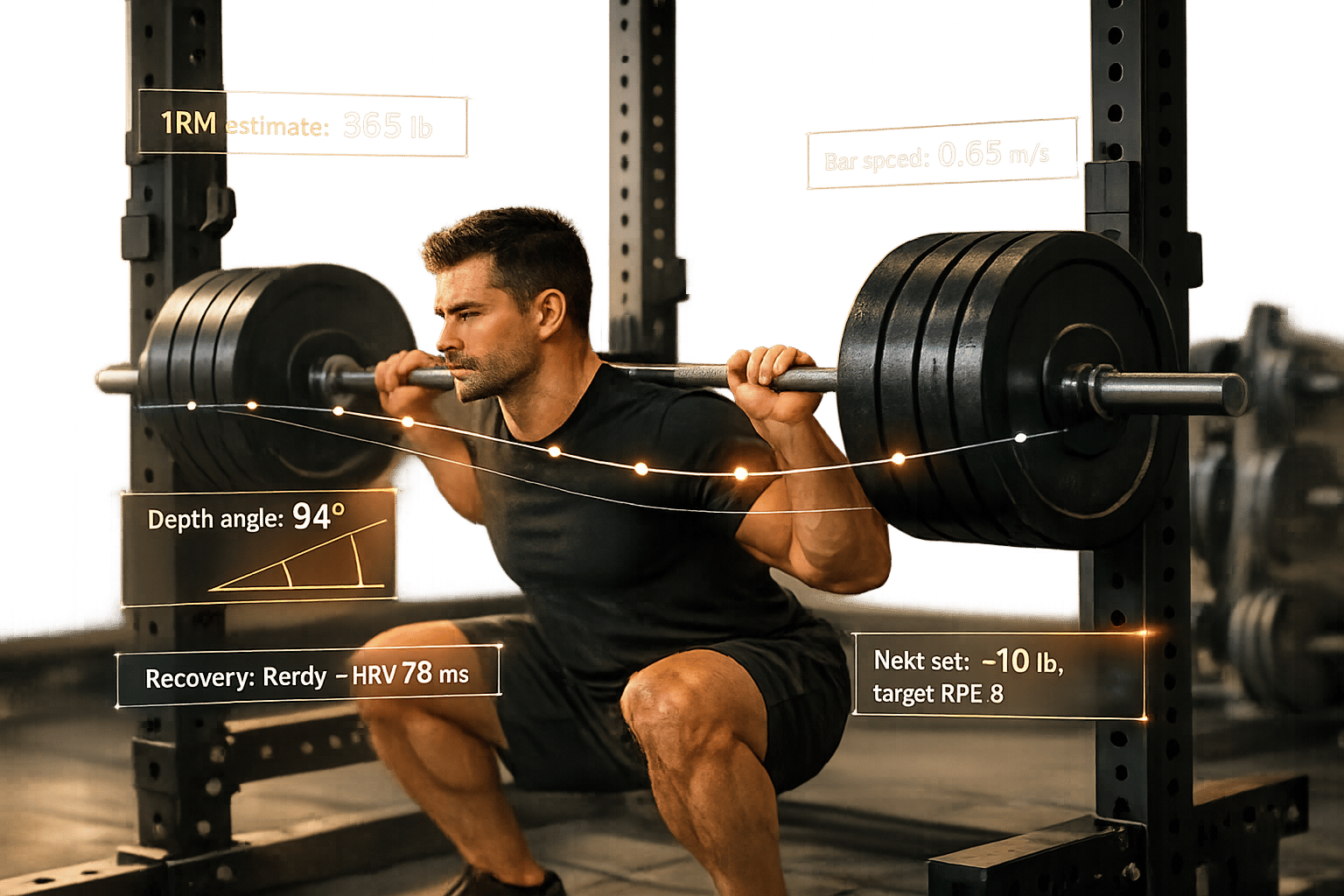
Deadlift Force Analysis with AI Tools
AI uses smartphone video and pose models to estimate deadlift forces, flag form faults, and reduce injury risk with clear, actionable feedback.